
Blooming
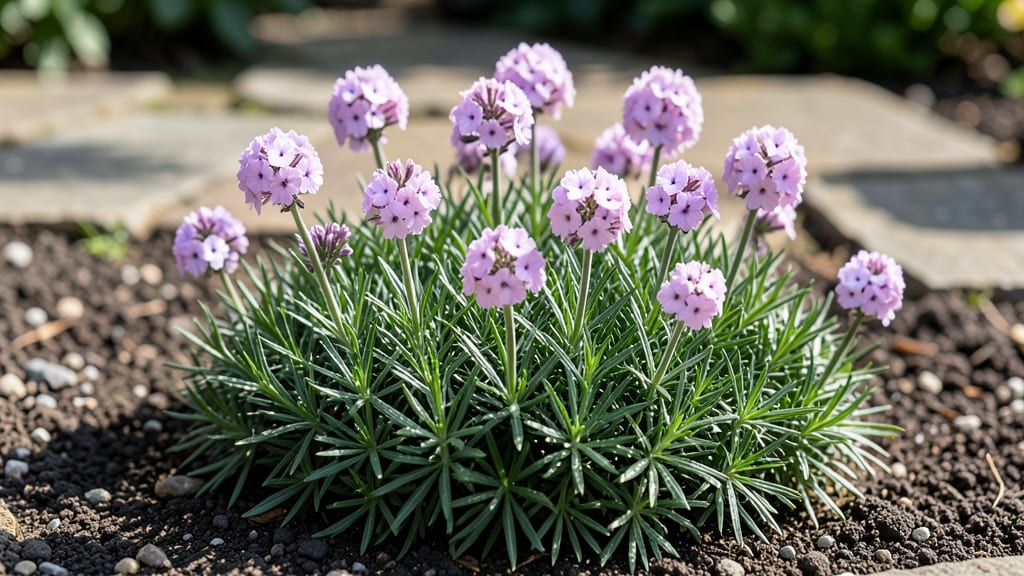
The phlox subulata bloom time in early spring often falls between March and May, depending on your zone and microclimate.
If you’ve ever waited impatiently for color after a long winter, you know how thrilling those first purple, pink, or white clusters can be—especially when they appear before most perennials even stir.
But timing isn’t just about luck; it’s about understanding how your local climate, sunlight, and soil interact to trigger those blooms.
In Zone 6a, where Creeping Phlox thrives, expect flowers to peak in late April, but cooler regions may see them as early as March, while warmer areas could stretch blooms into early June.
The key to maximizing your display? A few simple adjustments to soil, sunlight, and care that keep your 🌸 thriving longer.
Below, I’ll break down the exact months for your zone, plus the easy tweaks that turn a few weeks of color into a full-season spectacle—no green thumb required.
Phlox subulata bloom time by USDA hardiness zone
Phlox subulata (moss phlox) is one of the first perennials to light up gardens each spring, but its bloom timing varies dramatically across USDA hardiness zones 3-9. In colder zones like 3-5, expect blooms as early as late March or April, while warmer zones 8-9 may see flowers as late as May or June. Understanding these variations helps you plan companion plants and garden maintenance for maximum impact.
Regional microclimates also play a role—Pacific Northwest gardens often bloom 2-3 weeks earlier than Midwest locations due to milder winters. Coastal areas may experience delayed blooms if winter rains persist.
Below, I’ve broken down the early, peak, and late-season bloom windows for each zone, plus regional adjustments to help you predict when your moss phlox will shine.
Pro Tip: In zones 6-7, moss phlox often blooms in two flushes—once in early spring and again after summer rains. This makes it a reliable groundcover for year-round interest. For zones 3-5, mulch heavily in fall to protect tender roots and encourage earlier spring blooms.
In zone 3-4, where winters are harsh, moss phlox often emerges as early as late March but may struggle in heavy frost. I’ve seen pink and purple varieties push through snow in upstate New York if protected with 3-4 inches of mulch.
For these zones, pair phlox with heuchera or ajuga to create a layered spring display.
Gardeners in zones 5-6 enjoy the longest bloom windows, with early April being the average start date. However, Pacific Northwest gardens often bloom 2-3 weeks earlier due to cooler, wetter winters.
In Oregon and Washington, I’ve observed white and lavender varieties blooming as early as mid-March if planted in well-draining soil.
Zone 7-8 is where moss phlox truly shines, with blooms starting as early as March and lasting through May. In southern California, some varieties even produce a second flush after summer rains. To encourage this, I recommend light fertilizing in early spring with a 10-10-10 blend and ensuring 6+ hours of sunlight daily.
For zone 9 gardeners, moss phlox can be a year-round performer if conditions are ideal. In Florida and southern Texas, I’ve seen it bloom in February and again in fall after rains.
However, excessive heat can cause bud drop, so provide afternoon shade in summer and consistent moisture during dry spells.
Regardless of your zone, soil preparation is key to timing blooms. Amend heavy clay with compost and sand to improve drainage, and avoid over-fertilizing, which can delay flowering. In my zone 6 garden, I’ve found that well-draining, slightly acidic soil (pH 6.0-7.0) produces the most vibrant and timely blooms.
If you’re planning a spring garden, use this timeline to coordinate planting. For example, pair early-blooming phlox with hebe or dwarf irises to extend your color palette. And remember—dead
How to extend phlox subulata bloom time with proven techniques
Want your moss phlox to put on a longer, more vibrant show? The secret lies in a few simple yet powerful gardening techniques that encourage repeat blooming.
Unlike many perennials, Phlox subulata responds beautifully to proper care adjustments—especially when it comes to deadheading, soil health, and strategic sunlight management.
I’ve found that gardeners who focus on these four key areas often see their phlox blooms last 3-4 weeks longer than average. The best part? These methods take minimal effort but deliver maximum impact.
Let’s dive into the proven techniques that’ll keep your moss phlox looking fresh well into late spring.
- Deadhead Religiously – Snip spent phlox blooms at the base weekly to redirect energy to new flowers. Use clean bypass pruners for precision cuts.
- Amend Soil with Compost – Mix in 2 inches of compost before planting for nutrient-rich soil. Moss phlox thrives in well-draining, slightly acidic soil (pH 6.0-7.0).
- Maximize Morning Sun – Ensure 6+ hours of sunlight, but protect from hot afternoon sun in zones 7+. Dappled shade in containers works well.
- Plant with Companion Flowers – Pair with heuchera or ajuga to retain soil moisture and deter weeds. Avoid heavy feeders like petunias.
- Water Deeply, Infrequently – Soak the root zone once weekly in dry spells. Shallow watering encourages weak stems and fewer blooms.
- Apply Light Fertilizer – Use a balanced 10-10-10 fertilizer in early spring (March) and skip summer feeding to avoid leafy growth over blooms.
- Mulch Strategically – Add 1-2 inches of mulch after planting to regulate soil temperature and reduce water evaporation. Use pine straw for acidity.
One technique I’ve seen transform phlox blooms is selective deadheading. Instead of removing every faded flower, leave a few to develop seeds—this can actually stimulate new buds on nearby stems. Just be sure to remove the majority to prevent seed heads from stealing energy.
For container gardens, I recommend using well-draining pots with a mix of cactus soil and perlite. This prevents root rot and ensures consistent moisture levels, which is critical for prolonged blooming. Containers also let you move plants to optimal sunlight as seasons shift.
Don’t overlook the power of companion planting. I’ve noticed that Phlox subulata paired with low-growing ferns or creeping thyme stays healthier and blooms longer. These companions help suppress weeds and maintain even soil moisture—two factors that directly impact bloom duration.
Finally, remember that phlox subulata is a low-maintenance perennial, but it does reward attentive care. By combining these techniques—especially deadheading and soil enrichmentvibrant blooms from late March through May, making it the star of your early spring garden. 🌸