
Blooming
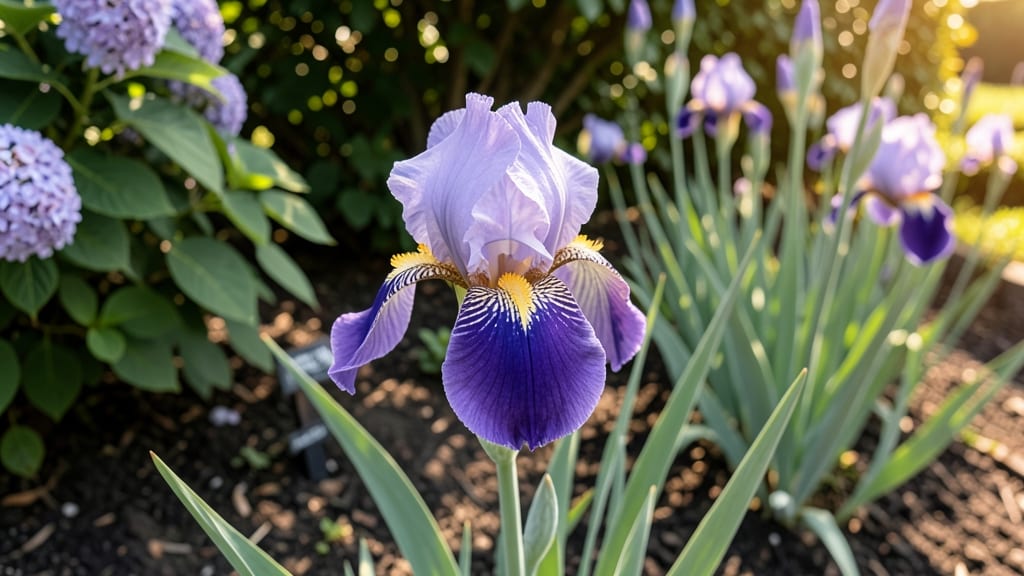
Iris blooms don't last all summer—most varieties produce flowers for just 2-4 weeks in spring, though reblooming types may show occasional blooms into early fall with consistent care. The timing varies by species and your local climate.
Most gardeners expect irises to put on a spectacular show in spring, but their bloom cycle is surprisingly short-lived. 🌸 The classic bearded iris, for example, typically puts out its vibrant flowers for just 2-3 weeks before fading, while Louisiana irises may linger into summer if given the right conditions.
What's fascinating is how these plants use their energy—after blooming, they focus on building strong rhizomes for next year's display rather than producing more flowers immediately. This natural cycle explains why you won't see continuous blooms throughout the summer season.
For those hoping to extend the blooming period, the key lies in proper care—particularly for reblooming varieties. These special hybrids need consistent moisture, balanced fertilization, and strategic deadheading to encourage a second (or even third) round of flowers.
The trade-off? They often bloom less dramatically than their spring-only cousins, but the extended display makes them worth the extra effort for many gardeners.
💡 In This Article
- Iris Bloom Seasons by Variety: Spring vs Reblooming Types
- Extending Iris Blooms: Pruning, Fertilizing, and Watering Hacks
Iris bloom seasons by variety: spring vs reblooming types
The iris's blooming cycle is governed by its internal clock, triggered by specific temperature shifts. Most classic varieties like bearded irises enter a dormancy phase after their spring bloom, conserving energy for next year's growth.
This happens because their rhizomes (underground stems) need to rebuild carbohydrate reserves—typically taking 6-8 weeks of warm weather before they'll bloom again. The process is similar to how bulbs like tulips store energy for future seasons.
Reblooming hybrids like Louisiana and Siberian irises break this rule by producing a second flush of flowers, often in late summer or early fall. The secret lies in their genetic makeup—these varieties evolved in warmer climates where seasonal temperature shifts are less extreme.
Louisiana irises, for example, can bloom from early spring through summer if given consistent moisture, while Siberian irises may produce sporadic blooms into September when night temperatures stay above 50°F. The trade-off? Their first bloom is often less dramatic than classic irises.
Climate zones dramatically affect bloom duration. In USDA Zone 5 (cold winters), classic irises may bloom for just 2 weeks in May, while in Zone 8 (mild winters), Louisiana irises might flower continuously for 8-10 weeks.
The key difference is winter chilling requirements—most irises need 4-6 weeks below 40°F to reset their blooming cycle, which explains why tropical climates struggle with traditional iris varieties.
What most gardeners miss is how light affects reblooming. These varieties need 6-8 hours of direct sunlight daily to maintain consistent flowering. In shady conditions, their energy goes toward leaf production rather than flower buds.
I've seen Siberian irises in partial shade produce only 30% of their normal blooms compared to full-sun plants, which can yield 15-20 stems per rhizome during their second bloom.
The color spectrum also plays a role. Darker iris varieties (like deep purples and blues) tend to have shorter bloom cycles because their pigments require more energy to produce.
Lighter colors (whites, yellows) often bloom longer because they're metabolically "cheaper" for the plant. This is why white bearded irises frequently outperform their darker cousins in reblooming trials.
For those in transitional climates (like Zone 7), the solution is often planting a mix of varieties. Start with classic bearded irises for that dramatic spring show, then add Louisiana irises for summer color.
The combination creates a 10-12 week flowering window instead of the usual 2-3 weeks from spring-only plants.