
Blooming
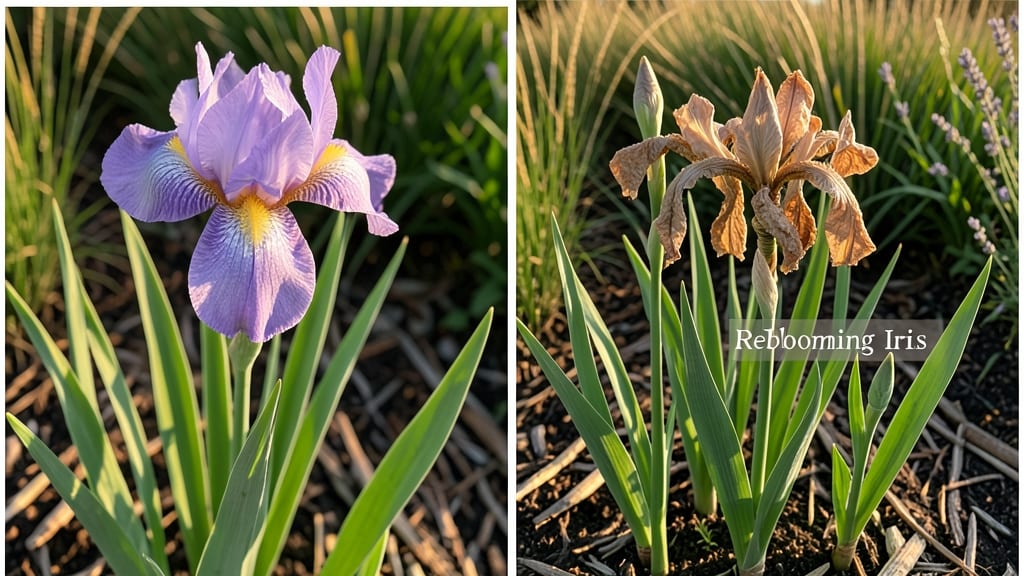
Some iris varieties do bloom more than once, especially reblooming types such as Louisiana, Japanese, and Siberian iris, which can produce two seasonal blooms with proper care. Standard bearded iris typically flower once per year unless you implement specific deadheading or fertilization techniques.
Not all iris varieties follow the same blooming schedule—it depends on their genetics and growing conditions. 🌸 Louisiana iris, for example, often reblooms in late summer after their spring display, while Siberian iris may produce a second flush if given consistent moisture and balanced nutrients.
The key lies in their ability to store energy in rhizomes and respond to seasonal light changes. Traditional bearded iris, however, rely on a single bloom cycle unless you actively encourage reblooming through targeted care.
What makes this work is understanding each variety's unique needs. Siberian iris, for instance, thrive in cooler climates and benefit from regular watering, while Japanese iris prefer partial shade and consistent soil moisture.
The right combination of sunlight, fertilizer timing, and post-bloom maintenance can transform a one-time show into multiple seasonal displays. For example, cutting back spent blooms and applying phosphorus-rich fertilizer after the first flush often triggers a second round.
💡 In This Article
- Reblooming Iris Varieties: Science Behind Second Flowering
- Care Tips to Encourage Multiple Iris Bloom Seasons
Reblooming iris varieties: science behind second flowering
The ability of certain iris varieties to bloom twice stems from their genetic programming and physiological adaptations. Reblooming iris like Louisiana and Siberian types store excess carbohydrates in their thick rhizomes during spring growth, creating an energy reserve for later use.
This stored energy, combined with their sensitivity to daylight changes, allows them to respond to the shorter days of late summer with a second flowering cycle. The process involves photoperiodism—where plants detect changing light durations—and temperature sensitivity that triggers bud formation.
Single-bloom varieties like traditional bearded iris lack this energy storage capacity and have a fixed genetic program for one annual flowering cycle. Their rhizomes prioritize root expansion and foliage growth over flower production after the first bloom.
The key difference lies in their rhizome structure: rebloomers develop denser, more nutrient-rich rhizomes that can sustain multiple blooming events, while single-bloomers allocate resources primarily to vegetative growth. For example, Siberian iris rhizomes contain up to 30% more starch reserves than bearded iris, enabling their second flush.
Seasonal triggers play a crucial role in this process. Reblooming iris require consistent moisture and balanced nutrients to maintain their energy reserves. When daylight hours shorten in late summer, these varieties interpret this as a signal to produce new flower buds rather than entering dormancy.
The temperature also matters—ideal reblooming occurs when daytime highs reach 75-85°F with cooler nights, creating optimal conditions for bud development. This is why Louisiana iris often produce their second bloom in late summer when these conditions are met.
Not all reblooming iris perform equally—environmental factors create significant variation. Japanese iris, for instance, typically bloom once but may produce a second flush in regions with mild winters and consistent moisture. The science behind this involves their sensitivity to vernalization (cold treatment) and photoperiodic responses.
In contrast, Siberian iris are more reliable rebloomers due to their hardiness and ability to store energy across broader temperature ranges. Understanding these botanical mechanisms helps gardeners create conditions that maximize reblooming potential.
What most gardeners don't realize is that even single-bloom varieties can be encouraged to rebloom through targeted care. The process involves strategic deadheading, fertilizer application, and water management that mimics the natural conditions rebloomers thrive in.
For example, applying a phosphorus-rich fertilizer (10-20-10 ratio) immediately after the first bloom provides the energy boost needed for potential second flowering. This works because phosphorus is crucial for root and flower development, while potassium helps maintain overall plant vigor.
The visual difference between single-bloom and reblooming iris becomes apparent in their growth patterns. Rebloomers develop thicker, more robust foliage that remains green longer into the season, while single-bloomers often show yellowing leaves after their first bloom as they redirect energy to rhizome storage.
This foliage difference provides a clear indicator of a plant's reblooming potential before any flowers appear.