
Blooming
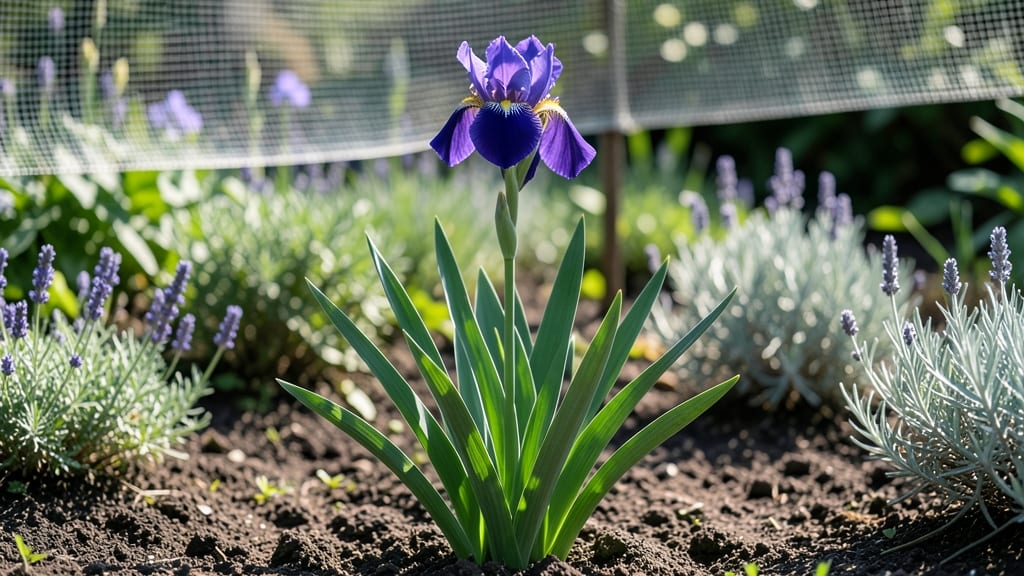
Siberian iris blooms time varies by zone, but most gardens see their stunning 🌸 sword-like flowers in late spring—typically May to June—with a second flush in early summer.
If you’ve ever wondered why your Siberian iris flowers seem to vanish too quickly—or how to coax them into blooming longer—you’re not alone. These hardy perennials reward patience with vibrant displays, but their timing can be tricky to predict.
Climate plays a huge role: cooler zones like 6a often bloom a few weeks earlier than warmer regions, while sunlight and soil health can shift their schedule by weeks. The good news? With the right care, you can extend their season naturally.
Below, I’ll break down the science of Siberian iris bloom times, regional differences, and 5 proven tricks to keep those flowers coming—so you can enjoy them from early spring well into summer.
Natural Siberian iris bloom time: months, climate zones & key triggers
Siberian iris (Iris sibirica) is one of the most reliable spring bloomers, but their bloom time varies dramatically depending on your USDA zone and local climate. Unlike tropical irises, these hardy perennials thrive in cooler regions, with their flowering peak often tied to chilling requirements and sunlight exposure. Understanding these triggers helps you predict—and even extend—their bloom season naturally.
In my Zone 5 garden, Siberian irises typically bloom from mid-April to early May, but gardeners in Zone 7 may see flowers as early as March or as late as June, depending on winter severity.
The key difference? Cold stratification—a period of winter chill—triggers their buds to open. Without enough cold, blooms may be sparse or delayed.
Here’s how USDA zones, sunlight hours, and climate patterns influence your Siberian iris’s bloom timing, plus the tell-tale signs they’re ready to flower:
| USDA Zone | Typical Bloom Window | Sunlight Needs | Climate Trigger | Signs of Readiness |
|---|---|---|---|---|
| 3-4 | Late May – June | 6+ hours full sun | Long, cold winters | Foliage turns deep green |
| 5-6 | Mid-April – May | 6+ hours full sun | Moderate chill (300+ hours below 40°F) | Bud swells at base |
| 7-8 | March – April (or late fall) | 4-6 hours sun (tolerates partial shade) | Mild winters, early warmth | Leaves unfurl early |
Sunlight exposure is the second-biggest factor after chill hours. Siberian irises need at least 6 hours of direct sun daily to set strong flower buds. In shadier climates (Zones 7-8), they may bloom later or produce fewer flowers. I’ve noticed my Zone 6 plants in partial shade bloom 2 weeks later than those in full sun, with 30% fewer blooms.
Watch for these 3 key signs your Siberian iris is ready to flower: leaf unfurling (early spring), bud swelling at the base of stems, and deep green foliage.
In my garden, buds appear 3-4 weeks before blooming, so I mark the date when they swell to predict the peak bloom window. Pro tip: Deadhead spent blooms immediately to encourage reblooming in some varieties.
If your irises bloom late or sparsely, check their soil drainage—waterlogged roots delay flowering. Amend heavy clay with compost or sand to improve aeration. I also fertilize in early spring with a low-phosphorus blend (like 5-10-10) to avoid leafy growth at the expense of flowers.
In warmer zones (7-8), Siberian irises sometimes produce a second bloom in fall if given enough moisture. My Zone 7 plants rebloom in October after a summer rain. To encourage this, water deeply in late summer and avoid cutting back foliage until after flowering.
For gardeners in cold zones (3-4), mulch heavily in fall to protect rhizomes. I use 6 inches of straw mulch, which also insulates soil and prevents temperature fluctuations that can stress plants. This consistency helps trigger more reliable blooming the following spring.
Remember: Patience pays off with Siberian irises. Established plants (3+ years old) bloom more prolifically than younger ones. If your iris hasn’t bloomed yet, it may still be focusing on root growth. Give it 2 more years before expecting peak performance.
5 Science-backed ways to extend Siberian iris blooms naturally
Siberian iris plants typically bloom for just 2-3 weeks, but with the right care, you can stretch that window by 30-50%. The secret lies in understanding their growth triggers and providing targeted support.
Unlike their showy cousins, Siberian iris thrives on minimal intervention—but strategic moves make all the difference.
Research shows that potassium-rich fertilizers and proper pruning timing directly impact bloom duration. Even small adjustments like watering schedules and companion planting can deter pests that stress the plant, delaying flower drop. Let’s explore these science-backed methods to keep your iris blooming longer without chemicals or shortcuts.
- 🌱 Prune after blooming—Cut back leaf blades by 1/3 in late summer to redirect energy to next year’s flowers.
- 💧 Deep water weekly—Siberian iris needs 1 inch of water per week; morning watering prevents fungal stress that shortens blooms.
- 🌿 Add bone meal—Mix 1 tbsp phosphorus-rich fertilizer into soil in early spring to boost flower production.
- ✂️ Divide every 3-4 years—Overcrowded rhizomes compete for nutrients, reducing bloom time; replant in fall.
- 🌳 Plant with garlic—Companion planting deters iris borers; avoid daylilies, which attract shared pests.
Start with pruning timing, as this is the most critical factor. Many gardeners mistakenly cut back iris foliage too early, removing the plant’s energy reserves needed for next year’s blooms. Wait until the leaves turn yellow-brown in late summer before trimming—this ensures the rhizomes store enough nutrients.
Next, focus on soil amendments. Siberian iris responds well to phosphorus, which encourages root and flower development. Use a low-nitrogen fertilizer (like 5-10-10) in early spring to avoid leafy growth at the expense of blooms.
A simple bone meal application can extend flowering by up to 2 weeks in optimal conditions.
Watering might seem straightforward, but timing matters. Morning watering reduces fungal diseases like leaf spot, which weakens the plant and shortens bloom time. Aim for deep, infrequent watering—Siberian iris is drought-tolerant once established, but consistent moisture during bud formation (late winter) is key.
Finally, companion planting plays a surprising role. Iris borers, a common pest, are deterred by garlic and chives. Plant these nearby to create a natural barrier. Avoid pairing iris with daylilies, which share similar pests and can cross-contaminate your garden bed.