
Blooming
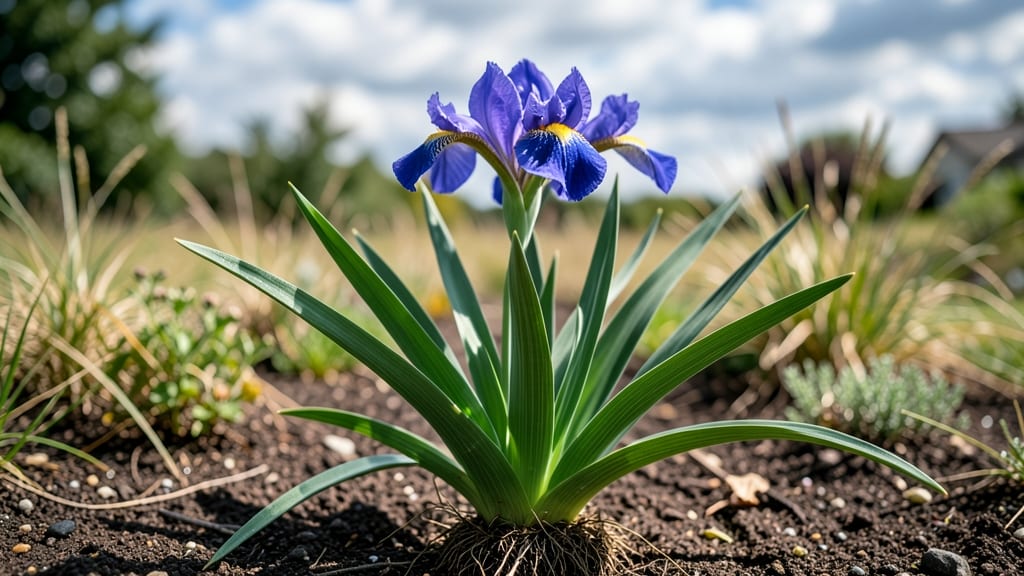
Irises in Texas bloom between mid-February and early May—but timing shifts wildly depending on your zone, the type of iris, and even last year’s rainfall.
If you’ve ever wondered why your Texas iris garden seems to bloom at different times each year—or why some neighbors’ irises thrive while yours struggle—understanding your climate zone is the key to unlocking perfect timing.
In North Texas (USDA Zone 8a), expect 🌸 bearded irises to burst into color by late February, while Gulf Coast gardens (Zone 10b) may see blooms as late as April. Siberian irises, which love cooler springs, often lag by 2-3 weeks compared to their heat-loving cousins.
Below, I’ll break down the exact bloom windows for your region, how to adjust care for Texas’s unpredictable weather, and the top 3 iris varieties that handle our heat without skipping a beat.
Texas iris bloom times by USDA hardiness Zones: exact months for peak flowering
Texas gardeners know that iris blooms don’t follow a one-size-fits-all schedule. Your USDA hardiness zone—whether you’re in North Texas (7a-8a), the Hill Country (8a-9a), or the Gulf Coast (9b-10a)—determines when your irises will put on their best show.
Even within the same zone, early-season, mid-season, and late-season varieties can shift bloom windows by 2-4 weeks. Understanding these patterns helps you choose the right cultivars and time your care strategies perfectly.
For example, Iris germanica—the classic bearded iris—typically blooms in late winter to early spring, but in Zone 9b (South Texas), you might see flowers as early as January, while in Zone 7a (North Texas), they may not appear until March.
Meanwhile, Siberian irises (Iris sibirica) often bloom 2-3 weeks earlier in the same zones, making them ideal for extending your color palette. These differences aren’t just about aesthetics; they’re tied to temperature cues, daylight hours, and even soil moisture levels that vary dramatically across Texas.
Here’s the critical insight: Fall-planted rhizomes in Zones 7a-8a often bloom the following spring, while those planted in Zones 9a-10a may produce flowers in winter or early spring of the same year. This means your planting timing in September-October can shift bloom seasons by up to 6 months.
Let’s break down the exact months for each zone, so you can plan your garden like a pro.
Notice how Zone 10a (Gulf Coast) irises can bloom as early as December, while Zone 7a (North Texas) irises often wait until March. This 3-month difference is why gardeners in Houston might enjoy winter blooms, while those in Dallas focus on spring displays.
Even within the same zone, microclimates—like the cooler Hill Country versus the urban heat islands of Austin—can shift bloom times by 1-2 weeks. For instance, San Antonio’s higher elevation often triggers earlier blooms than nearby New Braunfels.
If you’re planting new iris rhizomes in fall, aim for September-October in Zones 7
How Texas weather patterns affect iris bloom timing: heat, rain, and drought triggers
Texas’s unpredictable weather—from scorching summers to sudden droughts—plays a huge role in when and how well your irises bloom. Unlike cooler climates where blooms follow a predictable spring schedule, Texas irises often shift their timing based on temperature fluctuations and rainfall patterns.
Understanding these triggers helps you adjust care routines to encourage vibrant, on-time blooms.
For example, a hot, dry spring in West Texas might delay blooms until late April, while a mild winter in East Texas could push early blooms as soon as February.
The key is recognizing how your local weather patterns interact with iris growth cycles—especially the critical 60-day cooling period irises need before flowering.
- 🌧️ Heavy Rainfall (Oct-Nov): Triggers early spring blooms by breaking dormancy sooner. Overwatering can delay blooms if soil stays soggy.
- ☀️ Extended Heat Waves (Mar-Apr): Stress irises, causing them to conserve energy and delay blooming until temperatures drop below 85°F.
- 🌬️ Drought Stress (Summer): Forces irises into dormancy early, leading to smaller, later blooms the following spring.
- ❄️ Mild Winters (No Frost): Encourages early blooms in February-March as irises sense consistent cool temps.
- 💧 Irregular Watering: Causes erratic blooming—too much water = delayed blooms; too little = stunted flowers.
To sync your irises with Texas’s natural rhythms, mulch heavily in late summer (2-3 inches of organic mulch) to retain moisture and regulate soil temperature. This mimics the natural rainfall cycles irises rely on for blooming cues.
In drought-prone areas like the Hill Country, drip irrigation set to run 1-2 times per week keeps rhizomes hydrated without overwatering.
Another pro tip: Divide your iris clumps every 3-4 years in late summer. This rejuvenates plants and helps them reset their blooming cycles, especially after a stressful Texas summer.
Look for firm, plump rhizomes with 3-5 healthy fans of leaves—these are ready for transplanting and will bloom more reliably the following spring.
If your irises bloom too late (June or later), they’re likely struggling with heat stress. Move them to a morning-sun, afternoon-shade spot and reduce watering slightly to encourage dormancy.
For early bloomers (January-February), they may be responding to unusually mild winters—consider adding a light frost cloth in December to delay blooming until March for longer-lasting flowers.
Remember, Texas irises are resilient! With the right adjustments—like mulching, strategic watering, and proper division timing—you can help them bloom on schedule despite our wild weather. The goal is to mimic nature’s triggers while giving your plants the care they need to thrive in our unique climate.