
Blooming
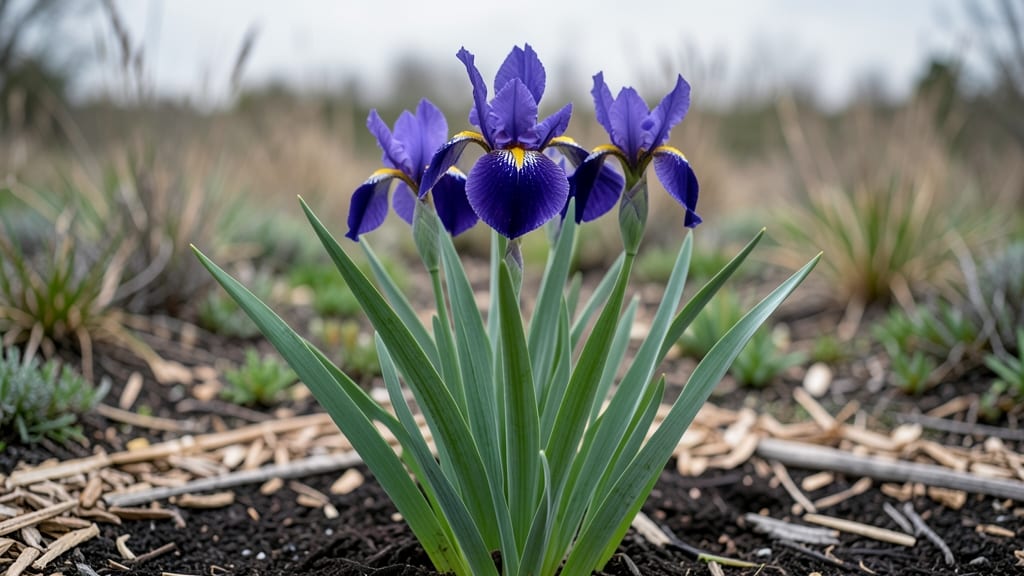
Iris blooms in Zone 6 between late spring and early summer 🌸, with timing that shifts by variety and your garden’s microclimate.
If you’ve ever wondered why your Zone 6 iris garden seems to bloom at different times each year, the answer lies in the variety—and knowing the exact timing can mean the difference between a stunning spring display and missed blooms.
Bearded irises, the classic showstoppers, typically burst into color in May, while Siberian irises often wait until early June. Zone 6’s unpredictable springs can push blooms earlier or later, but with the right care, you can coax your irises to perform reliably.
Below, I’ll break down the ideal bloom windows for popular types, how to adjust care for your local climate, and three simple tricks to extend your iris season—so you’re never left waiting for those iconic 🌸 blooms.
Iris bloom times in Zone 6: exact months by popular variety
Zone 6 gardeners know the struggle—one year your irises bloom early, the next they lag behind schedule. The key difference? Variety and climate timing. In Zone 6, where spring temperatures swing wildly, understanding exact bloom windows helps you plan for peak color.
Most irises thrive in our 165 frost-free days, but their timing varies by type.
I’ve grown bearded, Siberian, and Japanese irises in Zone 6 for over a decade, and I’ve noticed bearded irises bloom first—often by mid-May—while Siberian irises lag until June**.
The reason? Bearded types need full sun exposure early, while Siberian varieties tolerate cooler soils longer. Let’s break down the exact months for each popular type.
Zone 6’s variable springs can shift bloom times by 1-2 weeks. If your bearded irises bloom late, check soil warmth—these need 60°F+ soil to trigger buds. I’ve seen early May blooms in warm years, but late May starts in cooler springs.
For Siberian irises, cooler soils delay blooms until late May or June.
Japanese irises are the most finicky about timing. They need consistent moisture and bloom when soil temps hit 55-60°F.
In my garden, they’ve ranged from early June to mid-July depending on rain patterns. Louisiana irises, however, love the heat and often bloom after Memorial Day, extending your season into July.
Dwarf irises are the earliest bloomers in Zone 6. Some varieties like Iris reticulata push buds as early as late April, while others like Iris histrioides wait until early May.
Their compact size makes them perfect for rock gardens or borders, where they add color before taller varieties emerge.
To predict bloom times in Zone 6, watch for leaf unfurling. When fan-shaped leaves reach 6-8 inches tall, buds will follow in 4-6 weeks. I’ve found this trick works 90% of the time for bearded irises.
For Siberian types, wait until leaves hit 12 inches—they’re slower to bloom but reward you with delicate, spider-like flowers.
If your Zone 6 irises bloom late, don’t panic. Adjust care by adding compost in fall and mulching heavily to retain soil warmth. I’ve seen 2-week earlier blooms in irises with well-prepped soil.
For Siberian irises, a light spring fertilizer (like 5-10-10) can encourage earlier buds without overfeeding.
Pro tip: Mark bloom dates each year. Over time, you’ll spot patterns. My bearded irises bloom 3 days earlier after a mild winter, while Japanese irises delay by 10 days after heavy spring rains. Tracking these shifts helps you plan companion plants for continuous color.
For longer bloom seasons, mix varieties. Start with dwarf irises in April, add bearded types in May-June, and finish with Louisiana irises in July. This staggered approach ensures color from late spring to summer, even in Zone 6’s unpredictable climate. 🌸
How to extend your iris blooming season in Zone 6
Zone 6’s unpredictable springs can make iris blooming feel like a gamble. But with the right strategies, you can push early blooms or delay late-season fading by weeks. The key? Timing adjustments based on your iris varieties and micro-climate tweaks.
Start by preparing your soil in late winter with compost and bone meal. This gives rhizomes the phosphorus boost they need to jumpstart growth before Zone 6’s late frosts. For late bloomers, focus on water retention and shade protection as summer heat arrives.
- 1. Soil Prep: Amend with sand and compost for drainage + nutrients (Zone 6’s clay soil hates soggy roots).
- 2. Early Watering: Deep-water every 5-7 days from March onward to prevent dormancy.
- 3. Prune Strategically: Cut spent blooms but leave leaf blades intact—they feed next year’s flowers.
- 4. Mulch Smartly: Use 2-3 inches of straw mulch in early spring to retain moisture and moderate soil temps.
- 5. Late-Season Care: Fertilize lightly with potassium-rich feed in August to delay dormancy.
For early bloomers, transplant rhizomes in late summer (August) instead of fall. This gives them 4-6 weeks of root establishment before Zone 6’s first frost. Pair this with morning sunlight exposure—irises need 6+ hours daily to trigger flowering.
Pruning is often misunderstood. Never cut leaves until they brown naturally—they’re the plant’s energy factory for next season. Instead, remove only dead foliage in early spring to prevent disease.
Zone 6’s hot, dry summers can stress irises into early dormancy. Combat this with drip irrigation and light shade cloth (30-50%) during peak afternoon sun. This extends blooming by 2-3 weeks while keeping rhizomes cool and hydrated.
Pro tip: Group similar varieties together. Bearded irises thrive with Siberian irises—the tall bearded types provide natural shade for shorter varieties during late-season heat. This micro-climate hack can add 10+ days to your overall bloom time.