
Blooming
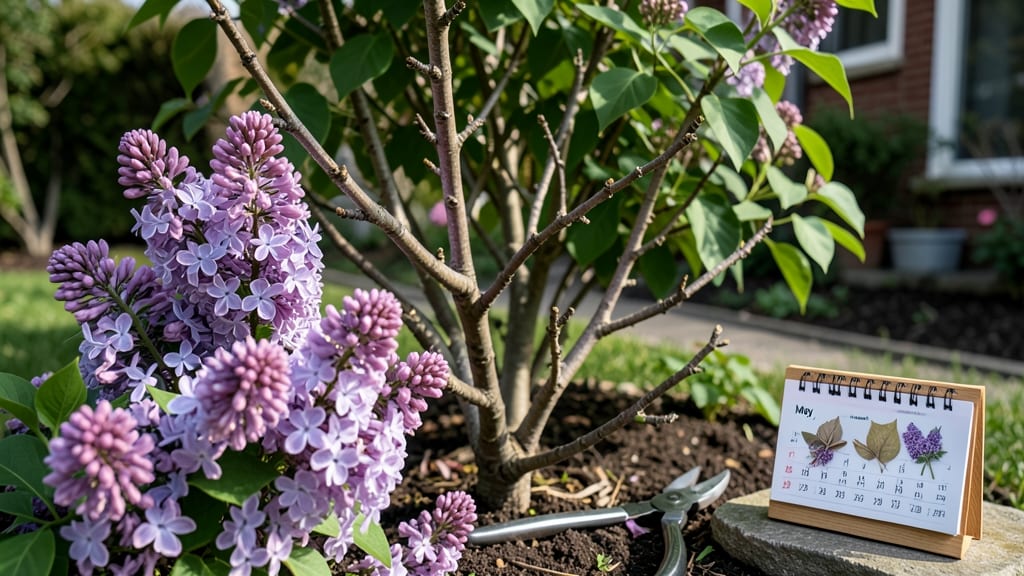
Lilacs bloom every year, but their frequency depends on the variety—some produce just one spring display, while others can rebloom once or twice seasonally. Their annual performance hinges on proper care, including strategic pruning, consistent sunlight, and well-maintained soil.
Lilacs are famously reliable bloomers, but not all varieties follow the same schedule. 🌸 The classic common lilac (Syringa vulgaris) typically delivers one spectacular spring show, while reblooming types like 'Dwarf Korean Lilac' or 'Bloomerang' can put on multiple performances throughout summer. What makes this possible?
These varieties respond to specific temperature cues—cool nights after warm days trigger new flower buds. In warmer climates, you might see lilacs bloom twice a year, while colder regions may only get one flush.
The key to encouraging consistent blooms lies in understanding your specific variety's needs and adapting your care routine accordingly.
For gardeners eager to maximize their lilacs' potential, timing is everything.
Pruning plays a crucial role—cutting back immediately after flowering removes spent blooms and encourages next year's buds to form. 🌿 I've found that mulching around the base with compost in early spring provides essential nutrients while retaining moisture, which is particularly important during dry spells.
And don't overlook winter protection—covering the base with a thick layer of mulch or burlap can shield roots from extreme cold, setting the stage for next season's display.
💡 In This Article
- Lilac Blooming Cycles by Variety
- Tips to Encourage Year-Round Lilac Blooms
Lilac blooming cycles by variety
The blooming habits of lilacs hinge on their botanical classification and genetic makeup. Traditional lilacs like Syringa vulgaris (common lilac) follow a single-blooming cycle, producing one spectacular flush of flowers in late spring.
This variety relies on a process called monocarpic blooming, where the plant allocates all its energy to one flowering event before focusing on leaf and root growth for the rest of the year. 🌸 The flower buds for next season actually form during this single bloom period, which is why proper care during this time is critical.
In contrast, reblooming varieties such as Syringa × prestoniae (like 'Bloomerang' or 'Dwarf Korean Lilac') have been selectively bred to produce multiple flushes throughout the season. These hybrids can rebloom 6-8 weeks after their initial spring display, thanks to a genetic trait that allows them to form flower buds continuously.
The key trigger for reblooming is a combination of temperature fluctuations—typically cool nights (around 50-60°F) following warm days—which stimulates new bud development. In USDA zones 5-8, this often results in two distinct blooming periods, while warmer climates may see three or more.
Climate plays a surprisingly large role in bloom timing and frequency. Lilacs in cooler northern regions (zones 3-5) often experience just one spring bloom because the short growing season limits their ability to recover and produce secondary flowers.
Meanwhile, in milder southern climates (zones 7-9), the extended growing season allows reblooming varieties to perform multiple times. The daylength photoperiod also matters—lilacs in northern latitudes receive longer daylight hours during summer, which can trigger additional flowering in responsive varieties.
Here's what's happening at the cellular level: Flower buds form on lateral shoots from the previous year's growth. In single-blooming varieties, these buds develop only once per year, while rebloomers have the ability to produce new buds from current season's growth.
This is why pruning timing matters—cutting too late in the season can remove potential rebloom buds before they form. 🌿 The difference comes down to how efficiently each variety can convert stored carbohydrates into new flower buds between blooming cycles.
Consider these variety-specific examples to understand the range:
- 'Common Lilac' (Syringa vulgaris): Single spring bloom (May-June), buds form during bloom season
- 'Bloomerang' (Syringa × prestoniae): Two blooms (May and July-August), continuous bud formation
- 'Dwarf Korean Lilac' (Syringa meyeri): Three blooms (spring, summer, fall), compact growth habit
- 'Sensation Lilac' (Syringa × hyacinthiflora): Two blooms, highly fragrant flowers
The secret to encouraging reblooming lies in maintaining consistent growing conditions that mimic these natural triggers. For example, providing afternoon shade in hot climates can help prevent bud drop, while regular watering during dry spells ensures the plant has enough energy to produce multiple flowerings. 💫