
Blooming
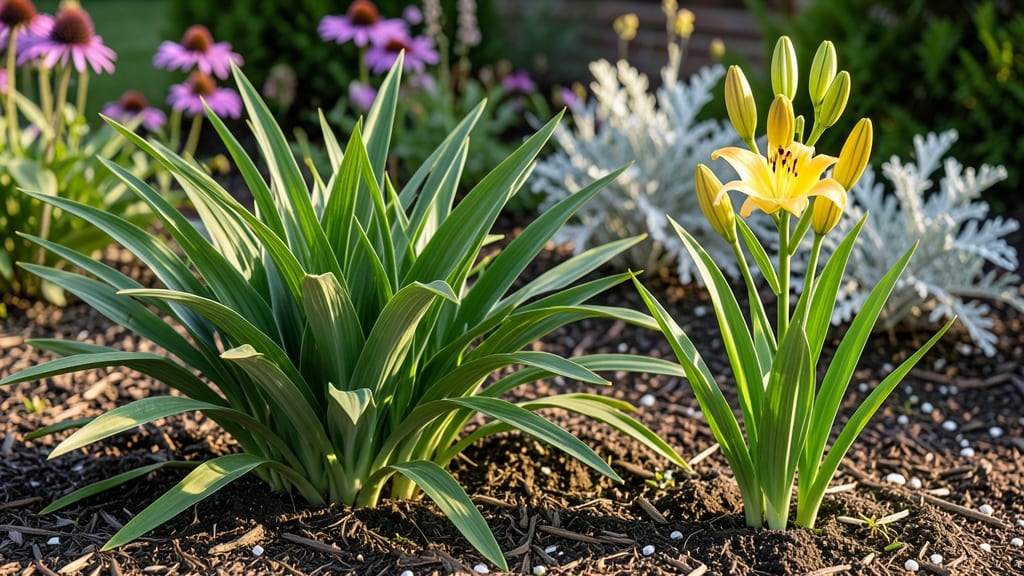
Lilies don't bloom all summer; most varieties flower for just 2-4 weeks per season, with peak blooming in late spring to early summer. Reblooming depends entirely on the lily type, local climate, and how well you manage heat stress during summer months.
Lilies are seasonal showstoppers, but their blooming windows are surprisingly short. 🌸 Different varieties have distinct cycles—Asiatic lilies often bloom first in early summer, while Oriental types may wait until late summer—but none sustain continuous flowers.
The real secret to extending their display lies in proper care: consistent watering, strategic pruning, and protecting them from afternoon heat. I've found that mulching around the base helps maintain soil moisture, while providing afternoon shade can prevent heat stress that cuts blooming short.
What many gardeners don't realize is that heat tolerance varies dramatically between species. Trumpet lilies, for example, handle summer heat better than their Oriental cousins, which often go dormant in extreme temperatures.
The key is understanding your local climate's specific challenges and adjusting care routines accordingly—whether that means adjusting watering schedules or choosing heat-tolerant varieties for your region.
💡 In This Article
- Lily Blooming Seasons by Variety and Climate
- Extending Lily Blooms: Pruning, Fertilizing, and Heat Management Tips
Lily blooming seasons by variety and climate
Lilies follow distinct seasonal rhythms based on their genetic makeup and environmental triggers. Asiatic lilies typically bloom first in early to mid-summer (June-July), producing vibrant colors like red, orange, and yellow. Their blooming cycle lasts about 2-3 weeks before fading, with some varieties reblooming later if conditions are ideal.
Oriental lilies, known for their intoxicating fragrance, usually bloom 2-3 weeks later (July-August) and have a slightly longer display of 3-4 weeks—but only if nighttime temperatures stay above 55°F.
The key difference lies in their heat tolerance thresholds. Trumpet lilies (like 'Stargazer') can handle summer heat better, often blooming from mid-July to August in warmer climates, while Martagon lilies (Turk's cap lilies) prefer cooler conditions and bloom earlier in late spring to early summer.
Humidity also plays a role: high humidity can shorten blooming periods by accelerating flower wilting, while dry heat may cause buds to drop prematurely. In regions with 90°F+ temperatures, lilies often go dormant to conserve energy, which is why you see fewer blooms in peak summer months.
Climate zones create dramatic variations in blooming patterns. In USDA Zone 5 (cold winters), lilies may bloom for 3-4 weeks in late spring before heat sets in, while in Zone 9 (mild winters), they might produce two shorter blooming cycles—one in spring and another in fall—if given proper care.
The 10-hour daylight rule also matters: most lilies need 12-14 hours of daylight to trigger blooming, which explains why summer solstice timing influences peak flower production.
What's fascinating is how temperature fluctuations affect reblooming potential. A sudden 10°F drop after a heatwave can shock lilies into dormancy, halting flower development.
This is why gardeners in hot climates often report lilies that bloom beautifully in spring but fail to rebloom in summer—the heat stress disrupts the plant's internal clock.
The science behind this involves photoperiodism (light-sensitive growth) and thermoperiodism (temperature-sensitive development), both of which lilies rely on to time their blooming cycles.
Consider these regional blooming patterns as a guide:
- Pacific Northwest: Lilies bloom June-July with cool nights extending displays to 8 weeks in ideal conditions
- Southeast U.S.: Peak blooming in May-June with heat causing early dormancy by mid-July
- Midwest: Two potential blooming windows—late spring and early fall—if summers aren't extreme
- Desert Southwest: Most lilies bloom only in spring due to intense summer heat
The bottom line? Lilies are seasonal performers designed to bloom when conditions are optimal—not when it's hottest.
Their blooming windows are nature's way of conserving energy during summer's peak heat, which is why you'll rarely see continuous summer blooms unless you're growing heat-tolerant varieties like 'Black Out' lily or 'Casa Blanca', which can handle up to 95°F with proper care. 🌿