
Blooming
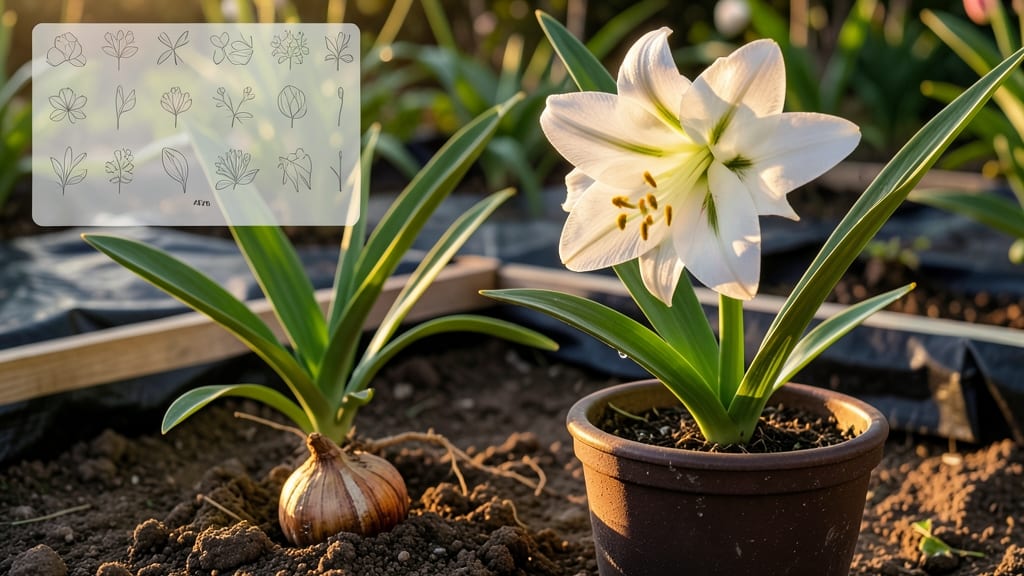
Lilies don't bloom all year: most varieties follow seasonal patterns, flowering in late spring or summer before entering winter dormancy. Tropical lilies may produce blooms year-round in warm climates, while hardy lilies need cold periods to reset their growth cycles. Even with optimal care, seasonal patterns remain a natural part of their life cycle.
Most lilies are hardwired to follow nature's rhythm, with their blooming triggered by specific light and temperature cues. 🌸 For example, Asiatic lilies typically bloom in early summer, while Oriental varieties prefer late summer heat.
The key difference lies in their native climates—tropical species like Stargazer lilies thrive in warmth year-round, while temperate varieties need winter's chill to prepare for next season's flowers. Even with greenhouse growing or container movement, you can't override these biological signals completely.
That said, you can absolutely extend bloom seasons through smart gardening. I've found that rich, well-draining soil with balanced fertilizer (high in phosphorus) encourages longer flowering periods, while consistent moisture prevents stress-induced dormancy.
For container-grown lilies, bringing them indoors during cold snaps can sometimes trick them into reblooming—though this works best with daylilies rather than true lilies.
💡 In This Article
- Lily Bloom Cycles: Seasonal Patterns by Variety
- Tips to Maximize Lily Blooms Year-Round
Lily bloom cycles: seasonal patterns by variety
The blooming habits of lilies are deeply tied to their evolutionary origins. Asiatic lilies, native to cooler mountain regions of Asia, typically bloom from mid-to-late spring through early summer, with peak flowering at 60-75°F temperatures.
Their buds form during the previous growing season and need consistent moisture but well-draining soil to prevent rot.
Oriental lilies, which hail from warmer, high-altitude areas, usually bloom late summer to early fall when temperatures stabilize above 70°F—their fragrance intensifies in these conditions, making them prized for evening gardens. 🌿
Trumpet lilies (like the dramatic Stargazer) follow a different rhythm, often blooming in mid-to-late summer when daylight hours begin shortening. This variety's native habitat in the Himalayas means it requires a 6-8 week cold period (below 50°F) to trigger next year's buds.
Daylilies, though often called "lilies," are botanically different and can rebloom multiple times per season if given rich, organic soil and regular deadheading—their blooms respond more flexibly to environmental cues than true lilies.
Tropical lilies like Lilium longiflorum (Easter lily) break the seasonal mold entirely in warm climates, producing blooms year-round with proper care. These varieties originate from subtropical regions where winter temperatures rarely drop below 55°F, so they lack the dormancy mechanisms of their temperate cousins.
The trade-off? Tropical lilies often require higher humidity (60-70%) and indirect light to prevent bud drop—a common frustration for gardeners in drier climates. 🌺
Light exposure plays a critical role in bloom timing. Most lilies are long-day plants, meaning they flower when daylight exceeds 14-16 hours. This explains why Asiatic lilies bloom earlier than Orientals—they respond to increasing daylight in spring, while Orientals need the extended summer sun.
The exception is Candle lilies, which are short-day plants and flower when days shorten, typically in late summer or fall.
Soil temperature matters just as much as air temperature. Lily bulbs need soil to warm to 55-60°F before active growth begins—this triggers root development that supports flowering. In cooler climates, gardeners often use black plastic mulch to raise soil temperatures by 5-10°F, effectively extending the growing season.
This technique works particularly well for Asiatic hybrids, which can then produce blooms 2-3 weeks earlier than unmulched plants.
The most fascinating exception is the Peruvian lily, which blooms in early spring (March-April) when most lilies are still dormant.
Its native high-altitude Andean habitat means it's adapted to cool nights and warm days, a pattern that gardeners can mimic with vernalization (controlled cold treatment) for 6-8 weeks before planting. This variety proves that while seasonal patterns dominate, some lilies have evolved unique adaptations to break the mold. 🌱