
Plants
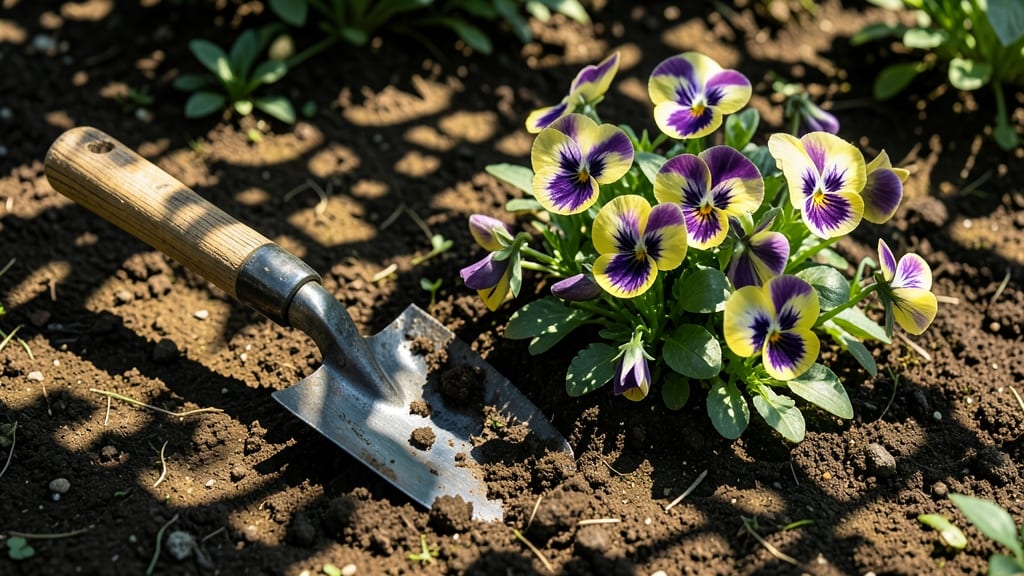
Do pansies like sun or shade—because I’ve grown them in both, and the ones basking in filtered light always outshine the rest. 💚 with bigger blooms and sturdier stems. The ideal spot gets 4-6 hours of morning sun and afternoon shade, especially in hotter climates.
Too much direct sun causes wilting, while too little light leads to leggy, sparse growth. In cooler zones, they tolerate more sun, but the blooms stay smaller and less vibrant.
You'll notice the difference immediately: pansies in perfect light produce clusters of 10+ blooms per stem, while those struggling in harsh sun or deep shade put all their energy into survival. The foliage stays rich green, not yellowed or crispy.
For best results, plant them near trees or structures that provide afternoon shade. In full sun, mulch heavily to retain moisture, and in deep shade, choose varieties bred for low light like 'Cool Wave' or 'Soraya.'
📚 In This Guide
- What you need
- Instructions
- Tips and common mistakes
- Wrapping up and next steps
What you need
- ● Pansy plants: 9–12 plants per square foot (check seed packets for spacing guidelines—most varieties thrive 6–12 inches apart). Opt for shade-tolerant varieties like Cool Wave or Matrix for best results.
- ● Well-draining potting mix: 1–2 bags (1–2 cubic feet each) of high-quality, organic garden soil or a 50/50 mix of potting soil and perlite for containers.
- ● Container or garden bed: Containers: 5–10-inch deep pots with drainage holes (1 pot per 1–2 plants). Terracotta or fabric grow bags work well.
- ● Garden beds: A partially shaded area (4–6 hours of morning sun max) with loose, fertile soil.
- ● Organic compost: 1–2 cups per plant or per square foot of bed to enrich soil.
- ● Slow-release fertilizer: 10–20 lb. bag of 10-10-10 or 5-10-5 NPK blend (follow package rates for pansies).
- ● Watering can or hose with gentle spray nozzle: For even moisture without disturbing roots.
- ○ Mulch (optional but helpful): 2–3 inches of straw, shredded bark, or pine needles to retain moisture and regulate temperature.
- ● Shade cloth: 30–50% coverage if your garden gets too much afternoon sun (secures with stakes or clips).
- ● Epsom salt: 1 tablespoon dissolved in 1 gallon of water for a magnesium boost (great for vibrant blooms!).
- ● Decorative stones or pebbles: For a polished look around containers or beds.
- ● Plant labels: To track varieties and care tips.
How to create the ideal growing conditions for pansies
Here's how I set up my shade-loving pansies for vibrant, long-lasting blooms—no guesswork involved.
🌿 Step 1: Choose the Right Location for Partial Shade
Pansies thrive in 4-6 hours of morning sun followed by afternoon shade—this prevents leaf scorch while keeping flowers bright. Look for spots under dappled tree canopy or near north-facing walls where sunlight filters gently. I always check the area at midday: if leaves would fry in direct sun, it's too hot.
If your garden only offers full shade, don't stress—pansies will still bloom, though flowers may fade faster. The key is avoiding hot afternoon sun (after 2 PM). Test your spot by placing a white sheet on the ground at noon; if it stays cool to the touch, it's perfect.
☀️ Step 2: Prepare Soil for Moisture Retention
Pansies hate soggy roots but need consistent moisture—aim for soil that drains well but holds humidity. Mix 2 parts garden soil with 1 part compost and a handful of perlite to improve aeration. I like to add a 1-inch layer of mulch (like shredded bark) after planting to lock in moisture and keep roots cool.
Work the soil to a depth of 6 inches, breaking up any compacted layers. Pansies have shallow roots, so loose, crumbly soil prevents root rot. Amend heavy clay by adding sand or peat moss—you'll know it's right when a handful forms a loose clump that crumbles easily when squeezed.
🌱 Step 3: Plant at the Correct Depth and Spacing
Set pansies so the top of the root ball sits flush with soil level—burying too deep suffocates stems, while planting too high exposes roots to drying. Space plants 8-12 inches apart for airflow; closer spacing works in containers but invites disease in garden beds. I like to dig holes twice as wide as the root ball to encourage root spread.
Water deeply after planting to settle soil around roots, then let the surface dry slightly before watering again. You'll see the first flush of flowers in 3-4 weeks—this is your reward for getting placement right. If leaves yellow after planting, you've overwatered; if they wilt, the soil was too dry.
💧 Step 4: Water and Feed for Continuous Blooms
Keep soil evenly moist but never waterlogged—pansies wilt quickly when thirsty but rot just as fast if drowned. Water at soil level (not overhead) to prevent fungal spots on petals. I water in the early morning so leaves dry before evening humidity sets in. You'll know moisture is right when the top 1 inch of soil feels cool to touch.
Feed every 4-6 weeks with a balanced liquid fertilizer (10-10-10) diluted to half strength. Deadhead spent blooms by pinching them off at the base—this redirects energy to new flowers. I also remove any leaves showing yellowing or brown edges (a sign of overwatering or nutrient burn) to keep plants healthy.
✂️ Step 5: Protect and Maintain Through Seasons
In hot climates, provide afternoon shade cloth (30-50% shade) during peak summer to prevent bolting. Pansies also appreciate evening watering during heatwaves to cool roots. If flowers fade in summer, it's normal—they're designed to shine in cooler weather and rest when temperatures rise above 75°F.
For fall/winter color, plant a second batch in late summer—they'll bloom until hard frosts. I always save seeds from my best-performing plants by letting a few flowers go to seed in a protected corner. Store dried seed pods in a cool, dry place until next spring.
Tips & tricks for perfect shade-loving pansies
These little details make all the difference between pansies that thrive and ones that just survive. Let me share what I've learned after years of growing vibrant displays.
Lighting Secret: That 4-6 hours of morning sun is non-negotiable for peak color—it's what triggers the brightest petals. I've found that east-facing beds or spots under deciduous trees work best. If you notice leaves turning yellow in afternoon sun, you're right to move them—they're telling you it's too hot. For full shade spots, choose varieties labeled "shade-tolerant" as they'll handle the lower light better.
Soil Test Trick: The perfect soil mix should feel like a damp sponge—not wet or dry. I test by squeezing a handful—if it holds shape but crumbles when poked, you're golden. For heavy clay soil, add equal parts sand and peat moss to that 2:1 soil-to-compost mix. This prevents the dreaded root rot while keeping moisture where it belongs. Remember, pansies have shallow roots, so focus on the top 6 inches of soil.
Planting Precision: When you're setting those root balls, imagine a level line at the top—this is where it should sit in the soil. Too deep and stems suffocate; too high and roots dry out. I use a small stick to mark the ideal depth before planting. For containers, you can space them closer (6 inches apart), but in garden beds, that 8-12 inch spacing is crucial for airflow and preventing fungal diseases. Trust me, your pansies will thank you with bigger blooms.
Seasonal Strategy: In summer heatwaves, I've learned to water in the evening instead of morning—this keeps roots cool overnight. For the 75°F threshold, think of it like a thermostat for pansies: above this and they'll start to fade. That's when I bring out the shade cloth (30-50% coverage works best) and watch my plants bounce back within days. The secret to fall blooms? Plant a second batch in late summer—they'll reward you with color right through winter.
Pro Tips for Do Pansies Like Sun Or Shade
- These little details make all the difference between pansies that thrive and ones that just survive.
- Lighting Secret: That 4-6 hours of morning sun is non-negotiable for peak color—it's what triggers the brightest petals.
- Soil Test Trick: The perfect soil mix should feel like a damp sponge—not wet or dry.
Frequently asked questions
Got questions about growing pansies in your garden? You're not alone!
Here are some of the most common queries—and their answers—to help you cultivate happy, blooming pansies, whether in sun or shade.
Can pansies survive in full sun?
Pansies can tolerate a few hours of morning sun, but they thrive best in partial shade (4–6 hours of light daily). Too much direct sun—especially in hot climates—can cause wilting, faded blooms, or even scorched leaves. If you must plant them in full sun, mulch well and water consistently to protect their delicate foliage.
What’s the best shade level for pansies?
Ideal conditions for pansies are dappled or light shade (like under tall trees or near north-facing walls). Avoid deep, dark shade, which can lead to leggy growth and fewer blooms. A spot with 30–50% shade during peak afternoon sun (12–3 PM) is perfect for most varieties.
Will pansies bloom better in sun or shade?
Shade actually enhances pansy blooms! While they’ll flower in sun, shade helps them produce more vibrant, long-lasting blooms and stay healthier in heat. For year-round color, prioritize shade in summer and light shade to partial sun in cooler months.
How do I fix pansies that look stressed in the sun?
If your pansies are wilting or turning yellow in the sun, move them to shade ASAP. Trim damaged leaves, water deeply at the base (avoid overhead watering), and consider providing afternoon shade with a sheer cloth or lattice. For severe cases, transplant to a shadier spot.
Are there sun-loving alternatives to pansies?
If you love pansies but need sun-tolerant flowers, try violas (their close cousin, but slightly more heat-resistant), calendulas, or petunias. For shade, impatiens, fuchsias, or heucheras pair beautifully with pansies while thriving in low light.
Wrapping up and next steps
So, do pansies like sun or shade? The answer is clear: shade—or at least partial shade—is their happy place! 🌿 These charming blooms thrive in cooler, sheltered spots, making them perfect for brightening up shady gardens, containers, or even under trees.
With the right care, they’ll reward you with vibrant colors and cheerful faces all season long.
Ready to give them a try? Start by picking a spot that gets morning sun or dappled shade, then grab some well-draining soil and a few pansy seeds or plants. Your garden—and these little beauties—will thank you!