
Orchid Care
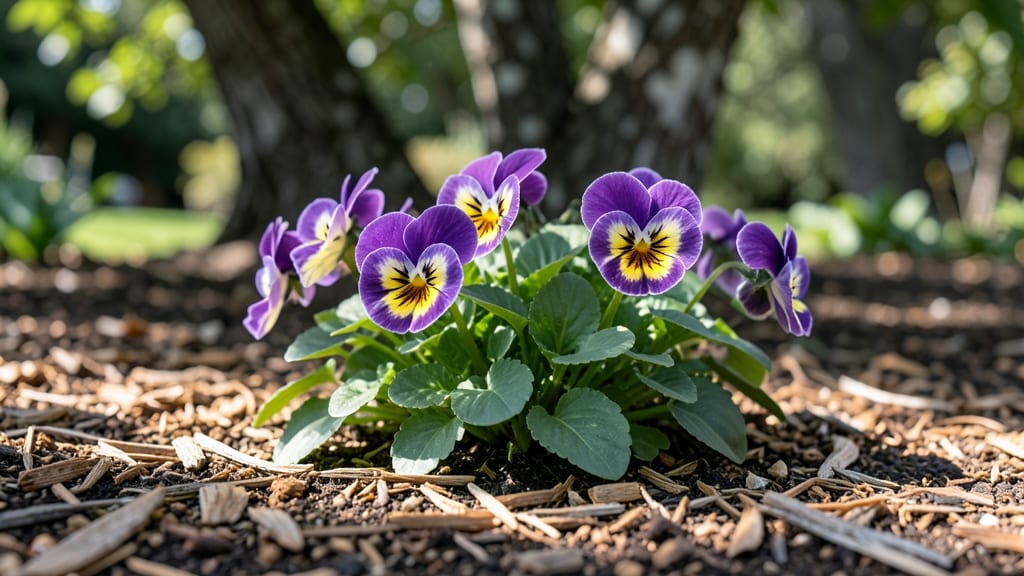
Pansies thrive in sun or shade—but getting the balance wrong can turn your vibrant blooms into sad, faded faces 🌸.
Struggling to keep your pansies blooming vibrantly? The battle between sun and shade might be the secret to your fading flowers—here’s how to master their light needs for a garden full of color all season long.
Too much direct afternoon sun can scorch those delicate petals, while too little light means sparse blooms and leggy stems. The key is finding that sweet spot where pansies get 4 to 6 hours of morning sun and gentle shade in the heat of the day.
Below, I’ll break down how to adjust care based on your garden’s light, from choosing the right varieties to protecting them from sunburn or wilting—so you can enjoy those cheerful faces from spring through fall.
 Best Window Placement
How sunlight affects pansy blooms: the ideal light balance for maximum flowering
Pansies are often called the workhorses of the garden because they thrive in partial shade while still producing vibrant blooms. But here's the catch: too much direct sun can bleach their petals and cause leaf burn, while too little light leads to spindly stems and fewer flowers.
Finding the sweet spot between morning sun and afternoon shade is key to keeping your pansies looking their best all season.
Many gardeners mistakenly assume pansies are full-shade plants—they're not! While they tolerate shade better than sun-loving flowers like marigolds, they still need at least 4-6 hours of sunlight daily to produce abundant blooms.
The trick is balancing bright morning light with afternoon shade, especially in hot climates where intense afternoon rays can scorch delicate petals.
Let's break down the ideal light conditions for pansies and how to diagnose when your plants aren't getting what they need. Understanding these nuances will help you maximize blooms and extend your pansy season from early spring to late fall.
If your pansies are getting too much direct sun, you'll notice bleached or faded petals first—this is their way of telling you they're sunburned. The edges of leaves may also develop brown, crispy spots, especially on the upper surfaces.
In extreme cases, the entire plant can wilt midday and recover only in the evening.
On the other hand, insufficient light causes yellowing leaves (a sign of chlorosis) and stretched-out stems as the plant reaches for more light. You might also see fewer blooms or flowers that open poorly, with petals that don't fully unfurl.
This is your pansy's way of saying, "I need more energy from sunlight to produce flowers!"
Seasonal light changes also play a role. In summer heat, pansies need more afternoon shade to prevent wilting, while in winter, they can handle more direct light since days are shorter.
Adjusting their placement every few months ensures they always get the right balance of light for their current needs.
For container-grown pansies, rotate pots every week or two so all sides get even sunlight exposure. This prevents plants from leaning toward the light and becoming lopsided.
If you notice one side of your container pansies looking paler or more stretched, it's time to reposition them.
Pro tip: Use light-colored mulch
Best pansy varieties for sun vs. shade: choosing the right flowers for your garden spot
Choosing the right pansy variety depends entirely on your garden’s sunlight conditions. While pansies are famously adaptable, some varieties thrive in bright morning sun while others prefer dappled shade.
The wrong light exposure can lead to faded blooms or leggy growth—so let’s match your garden spot with the perfect pansy!
For sunny gardens, look for heat-tolerant hybrids like the 'Majestic Giants' series, which boast bold colors and sturdy stems. In shadier areas, 'Cool Wave' pansies shine with their vibrant, long-lasting blooms and resistance to wilting. Let’s break down the best options for your light conditions.
| Variety | Sunlight Needs | Color Performance | Bloom Duration | Hardiness |
|---|---|---|---|---|
| Majestic Giants | Full sun to partial shade | Bold, deep colors (purples, blues) | 6-8 weeks | Zones 7-11 |
| Cool Wave | Partial to full shade | Bright, pastel shades (yellows, whites) | 8-10 weeks | Zones 5-10 |
| Sorbet | Partial shade | Multicolored, ruffled petals | 7-9 weeks | Zones 6-9 |
| Matrix | Full sun to partial shade | Uniform, vibrant colors | 6-8 weeks | Zones 7-11 |
| Epic | Partial shade | Large, velvety blooms | 8-10 weeks | Zones 5-10 |
If your garden gets morning sun but afternoon shade, the 'Majestic Giants' or 'Matrix' series are ideal—they handle 4-6 hours of direct sun without wilting.
For deep shade gardens (like under trees), 'Cool Wave' or 'Epic' pansies will reward you with longer bloom times and brighter colors than sun-stressed varieties.
Pro tip: If you’re unsure about your garden’s light, try planting a test row of 'Sorbet' pansies—their ruffled petals and multicolored blooms are forgiving in both sun and shade. Observe how they perform for 2-3 weeks to determine if your spot leans toward sun or shade.
Remember, color retention is key! Pansies in full sun may fade faster, while those in shade can develop leggy stems. Adjust your fertilizer schedule (light feeds in spring/fall) and watering frequency (deep soaks every 3-5 days) to keep blooms vibrant year-round.
With the right variety, your pansies will bloom nonstop from early spring to frost—no more sad, wilted faces in your garden beds! 🌸