
Shrubs
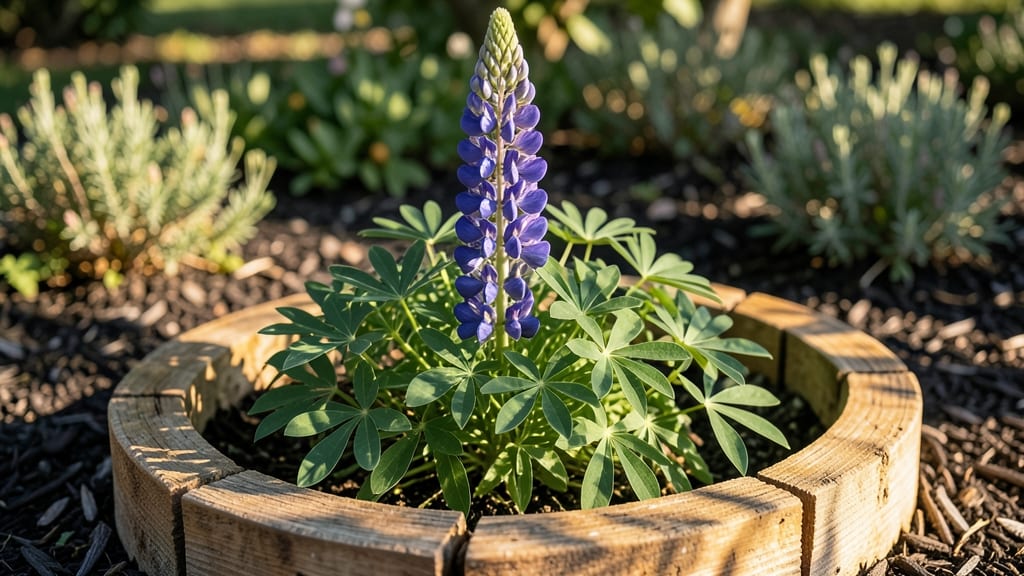
Lupines thrive in sun or shade, but the secret to those bold, showstopping blooms 🌸 lies in a surprising factor most gardeners miss: soil pH.
Picture this: you’ve planted your lupines in what you think is the perfect spot—maybe a sunny border or a dappled shade garden—only for them to flop, produce sparse flowers, or even fail to bloom at all.
The issue isn’t just sunlight; it’s the hidden chemistry of your soil working against you.
Lupines love well-draining soil with a pH between 4.5 and 6.0, but alkaline or overly acidic conditions can stunt growth, weaken stems, and leave you staring at leggy plants with few blooms.
The good news? With a few simple adjustments—like testing your soil, amending it naturally, and tweaking light exposure—you can transform your lupines into a year-round spectacle.
In this guide, I’ll walk you through the ideal light conditions for different varieties, how to diagnose soil issues, and the easiest ways to boost blooms whether your garden leans sunny or shady. Let’s get those lupines flourishing!
 Best Window Placement
Lupine sun vs. shade requirements: where to plant for maximum blooms
Lupines are stunning perennials that thrive with the right light conditions, but their needs vary dramatically by variety. Russell Hybrid lupines demand full sun for vibrant blooms, while Silver Cup lupines tolerate partial shade.
Understanding these differences ensures your lupines grow tall, healthy, and full of flowers. Let’s break down the ideal light conditions for each variety and how to adapt them to your garden’s microclimate.
Most lupine varieties prefer 4-6 hours of direct sunlight daily, but some thrive in morning sun with afternoon shade. In hot climates like USDA Zones 7-9, afternoon shade protects leaves from scorching while maintaining bloom production.
Observing your lupines’ leaf color and bloom frequency will help you fine-tune their placement for maximum success.
| Variety | Sunlight Needs | Ideal Location | Adaptation Tips |
|---|---|---|---|
| Russell Hybrid | Full sun (6+ hours) | South or west-facing beds | Use shade cloth in extreme heat |
| Silver Cup | Partial shade (3-4 hours) | East-facing or dappled shade | Avoid deep shade to prevent legginess |
| Bicolor | Full sun to partial shade | Morning sun, afternoon shade | Prune nearby trees for better airflow |
| Albus | Partial shade (4-5 hours) | Under deciduous trees | Mulch to retain moisture |
If your lupines show signs of light stress, like yellowing leaves or sparse blooms, they may need more sun. Conversely, brown leaf tips or stunted growth often signal too much direct sunlight.
Adjust their placement gradually—moving plants too quickly can cause shock. For example, if your Russell Hybrid lupines are wilting in afternoon sun, provide temporary shade with a 30% shade cloth until they acclimate.
In hot climates, lupines benefit from morning sun and afternoon shade. This mimics their natural habitat in Mediterranean regions, where they avoid the harshest afternoon rays. Plant them near tall shrubs or fences to create natural shade, or use lightweight shade sails for adjustable coverage.
This approach keeps foliage lush while preventing heat stress that can reduce blooms.
For shade-loving varieties like Silver Cup, focus on locations with filtered sunlight, such as under high-canopy trees or on north-facing slopes. These spots provide enough light for photosynthesis without the intensity that causes leaf burn.
If your garden is mostly shady, opt for dwarf lupine varieties, which tolerate lower light better than their taller counterparts.
Watch for leaf color changes as a signal to adjust light exposure. Healthy lupine leaves are deep green, while pale or yellowing leaves indicate insufficient light. Conversely, crispy or bleached edges suggest too much sun.
By observing these cues, you can fine-tune your lupines’ placement to create the perfect balance for bold, long-lasting blooms.
Pro tip: Rotate your lupines every few years to prevent soil depletion and ensure they receive optimal light. This practice also helps manage pests and diseases, keeping your plants thriving.
For example, if your lupines are in a sunny border but need more shade, transplant them to a spot near a decorative trellis or arbor that provides partial coverage.
Remember, lupines are perennial workhorses that reward patience with stunning displays. Whether you’re growing Russell Hybrids in full sun or Silver Cups in partial shade, the key is to match their variety to your garden’s conditions.
With the right light, your lupines will flourish and become the star of your landscape.
Once you’ve mastered their light needs, the next step is optimizing soil pH—another critical factor for lupine success.
But that’s a topic for our next section, where we’ll dive into the secrets of acidic vs. alkaline soils and how to tweak your garden’s chemistry for even more vibrant blooms. 🌸
Soil pH secrets: how acidic or alkaline soil affects lupine growth
Your lupines might be getting the right amount of sun or shade, but if your soil pH is off, their growth will suffer. Lupines thrive in acidic to slightly acidic soil with a pH range of 4.5 to 6.0.
Outside this range, they struggle to absorb essential nutrients like phosphorus and iron, leading to pale leaves, stunted growth, and fewer blooms.
Testing your soil pH is the first step to unlocking vibrant lupine growth. You can use a DIY test kit (like liquid or probe tests) or send a sample to a local agricultural extension lab for precise results.
I’ve found that DIY kits are quick and affordable, but lab tests provide the most accurate readings for serious gardeners.
Here’s how to adjust your soil pH based on your lupines’ needs:
- Soil pH 4.5–6.0: Ideal for lupines—no changes needed.
- pH Below 4.5 (Too Acidic): Add lime (calcium carbonate) or wood ash to raise pH gradually. Sprinkle 1–2 pounds per 100 square feet and re-test in 2–3 months.
- pH Above 6.0 (Too Alkaline): Mix in elemental sulfur or peat moss to lower pH. Apply 1–2 pounds of sulfur per 100 square feet and water thoroughly.
- Organic Amendments: Use compost or pine needles to naturally acidify soil over time. Avoid overdoing it—test pH every 6 months to monitor changes.
- Long-Term Maintenance: Mulch with pine bark or oak leaves to keep soil acidic naturally. Avoid synthetic fertilizers, which can disrupt pH balance.
Remember, lupines are sensitive to sudden pH shifts. Always make adjustments gradually—aim for small changes (0.5 pH units) over several months. Over-acidifying soil can harm beneficial microbes and lead to nutrient deficiencies, so patience is key.
Once your soil pH is in the ideal range, your lupines will reward you with lush foliage and abundant blooms. Pair this with the right sun or shade conditions, and you’ll have showstopping plants year after year! 🌸