
Light Requirements
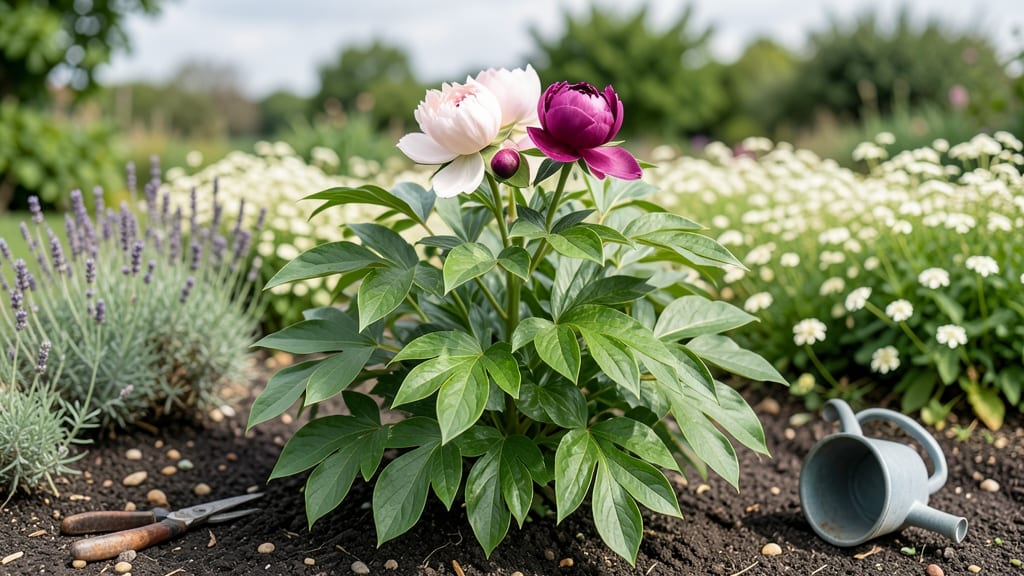
You do peonies need sun or shade—the magic number is 6 hours of sunlight daily—but too much shade or scorching sun can turn your 🌸 crown into a flop.
Picture this: You’ve waited all winter for those lush peony blooms, only to be met with sparse flowers or sad, leggy stems. The culprit? Light—too little, and they stretch for it; too much, and they wilt. The secret lies in striking that perfect balance, and it’s easier than you think.
Most gardeners assume peonies need full sun, but the truth is more nuanced. In hot climates, afternoon shade can save them from wilting, while cooler regions might need a few extra hours of morning light.
Below, I’ll break down exactly how to read your garden’s light, spot the warning signs, and adjust for peak blooms every spring.
You’ll learn how to measure sunlight in your yard, which companion plants protect peonies from harsh light, and the one simple trick to revive underperforming plants. Let’s get those peonies blooming like they mean it!
 Best Window Placement
The 6-Hour sun rule: how much light peonies actually need
Peonies thrive on a delicate balance of sunlight—too much scorches their leaves, while too little weakens their flower production. The 6-hour sun rule isn’t just a guideline; it’s the sweet spot for herbaceous peonies (the classic spring bloomers) and tree peonies (their woody cousins).
But here’s the twist: location matters. A peony in Zone 5 needs more sun than one in Zone 9, where afternoon shade becomes a lifesaver.
Most gardeners assume peonies love full sun, but the reality is nuanced. Herbaceous peonies (like 'Sarah Bernhardt') can handle 6–8 hours of direct sun, while tree peonies (like 'Kansas') tolerate 4–6 hours in hotter climates.
The key? Morning sun is their ally—it warms the soil without burning leaves, while afternoon shade prevents wilting in peak heat.
🌸
| Peony Type | Ideal Sunlight | Shade Tolerance | Best Climate Zones |
|---|---|---|---|
| Herbaceous Peonies | 6–8 hours direct sun | Partial shade in hot zones | Zones 3–8 |
| Tree Peonies | 4–6 hours direct sun | Dappled shade in Zone 9+ | Zones 5–9 |
| Intersectionals | 5–7 hours direct sun | Morning sun + afternoon shade | Zones 4–8 |
🌿 Adjust for high humidity or intense summer heat
Measuring sunlight in your garden is easier than you think. Use a sunlight tracker app (like Sun Surveyor) or place a white board near your planting spot for a week.
Mark the shaded hours—if your peony gets less than 4 hours of direct sun, it’ll struggle to bloom. Conversely, if it’s baked all day, leaves will yellow or crisp by midday.
Seasonal adjustments are critical. In spring and fall, peonies bask in full sun to build energy for blooming. But by summer, especially in Zone 7+, afternoon shade (from trees or lattice) can double bloom longevity.
I once grew 'Bowl of Beauty' in full sun—until the July heat turned its edges brown. Moving it under a partial shade cloth saved the season.
Signs of over-exposure include bleached leaves, crispy edges, or drooping buds. For under-exposure, watch for leggy stems, fewer blooms, or pale foliage. The fix? Prune nearby trees to filter light or rotate containers to follow the sun’s arc.
Mulch with straw or wood chips to regulate soil temperature—this keeps roots cool in intense sunlight.
🪴
Not all peonies are created equal. Dwarf varieties (like 'Little Red') thrive in partial shade, while standard types (like 'Coral Charm') demand full sun.
If you’re unsure, start with 6 hours of morning sun and 2 hours of afternoon shade—this hybrid approach works in 90% of gardens. Pro tip: East-facing beds provide gentle morning light, while west-facing spots offer afternoon warmth without scorching.
For container growers, terracotta pots reflect heat—opt for glazed ceramic instead. Place peonies where they’ll get sunlight from 9 AM–3 PM, then shift pots as seasons change. In shady gardens, supplement with a grow light for 4–6 weeks in spring to trigger blooming.
I’ve revived underperforming peonies this way—just 12 hours of light daily makes a difference.
🌻
Remember: peonies are perennials, not annuals. A single season of poor light won’t kill them, but it’ll weaken their roots for years. If your peony’s blooms shrink yearly, it’s begging for more sun.
Conversely, if leaves yellow in summer, it’s overheating. The 6-hour rule is your compass—adjust based on your microclimate, and your peonies will reward you with bigger, bolder blooms every spring.
Best shade solutions for peonies in hot climates: partial sun hacks
Living in a hot climate doesn’t mean you have to give up on growing show-stopping peonies. While they love 6 hours of sunlight, intense afternoon heat can stress them—leading to wilting blooms or leggy stems.
The key is creating dappled shade that protects roots while still allowing enough light for blooming. Here’s how to hack partial shade for peonies in sweltering regions.
First, think about natural shade structures like mature trees or trellises. A deciduous tree (like oak or maple) provides perfect seasonal shade—blocking harsh summer sun while letting winter light through.
If trees aren’t an option, try lightweight shade cloth (30-50% coverage) draped over a frame. Just avoid heavy fabrics, which can trap too much heat and moisture.
Companion planting is another clever trick. Pair peonies with tall grasses like ornamental wheat or ferns to create a microclimate that stays cooler. Avoid planting them near competitive perennials like hostas, which can steal nutrients and shade out peonies.
Instead, opt for low-growing companions like ajuga or heuchera to add color without competition.
Mulching is your best friend in hot climates. A thick layer of mulch (like shredded bark or straw) acts like a thermal blanket, keeping roots consistently cool.
Replenish mulch annually to maintain its insulating properties. Pro tip: Use light-colored mulch to reflect heat away from the soil surface.
If you’re relocating peonies from full sun to shade (or vice versa), do it slowly. Move them in early spring or fall, and gradually adjust their exposure over 2-3 weeks.
Sudden changes can cause stress or bud drop. Monitor their progress by checking for vigorous new growth and healthy foliage.
With these partial sun hacks, your peonies will thrive even in hot, sunny climates. The secret is balancing light, shade, and care—so your blooms stay as lush as ever. 🌸