
Light Requirements
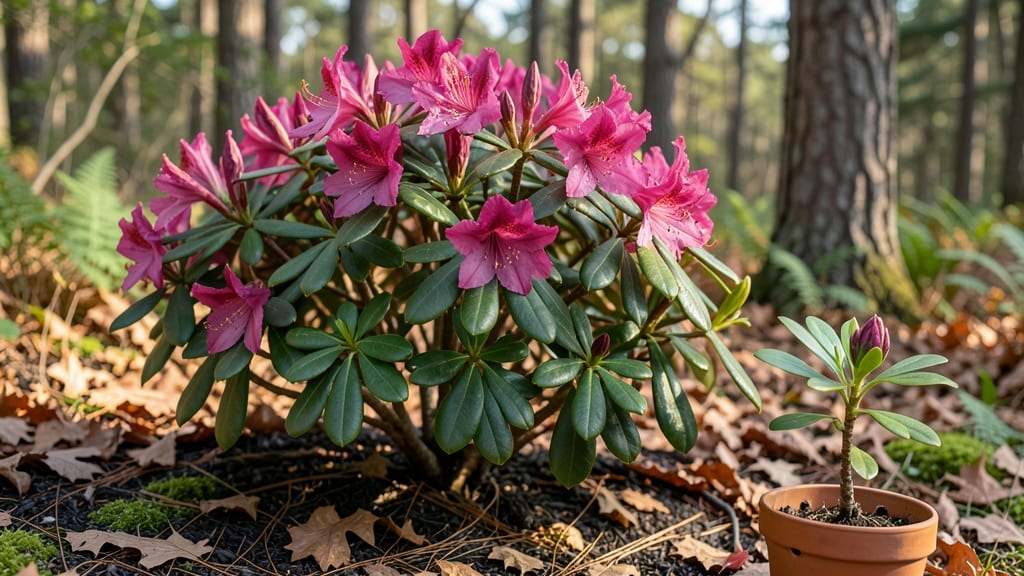
Rhododendrons thrive in partial shade, needing morning sun and afternoon shade to prevent leaf scorch and keep their 🌸 blooms vibrant.
Struggling with wilted leaves or sparse flowers? You’re not alone — many gardeners overlook how light intensity changes with the season, especially in Zone 6a. Too much direct sun turns leaves crispy, while too little shade weakens growth.
Here’s the secret: rhododendrons love dappled light, like the filtered glow under tall trees or an east-facing window. I’ll show you how to spot the signs of wrong light and adjust placement for healthier foliage.
From companion plants to mulching tricks, you’ll learn practical fixes to keep your rhododendrons lush year-round.
 Best Window Placement
Optimal sunlight requirements for rhododendrons: the perfect balance between sun and shade
Rhododendrons thrive when given the right balance of sunlight and shade, making them perfect for gardens that receive filtered light. Unlike sun-loving plants, these beauties prefer morning sun with afternoon shade to prevent leaf scorch.
Understanding their light needs is key to keeping your rhododendrons healthy and blooming beautifully year after year.
In my experience, rhododendrons perform best with 3-6 hours of morning sunlight followed by protection from the intense afternoon rays. This pattern mimics their natural understory habitat in forests, where they grow beneath taller trees.
The photosynthesis efficiency of rhododendrons peaks during cooler morning hours, allowing them to absorb energy without overheating.
Here’s the critical balance: too much direct sun causes leaf burn and wilting, while too little light leads to pale foliage and sparse blooms. The ideal scenario creates a microclimate where your rhododendrons get just enough energy to thrive without stress.
| Light Condition | Best For | Hours/Day | Climate Notes |
|---|---|---|---|
| Morning Sun | All rhododendron varieties | 3-4 hours | Cooler temperatures reduce stress |
| Afternoon Shade | All varieties | 4+ hours | Protects from heat and UV damage |
| Dappled Shade | Young plants/coastal areas | 6+ hours filtered | Ideal for humid climates |
| Full Sun (Hot Climates) | Avoid | N/A | Leads to leaf scorch |
| Deep Shade | Leggy growth | N/A | Reduces flowering |
Regional variations play a huge role in determining the best placement for your rhododendrons. In coastal climates, where humidity is higher, they can tolerate slightly more shade due to the natural filtering effect of mist and clouds.
Meanwhile, inland areas with hot, dry summers require more afternoon protection to prevent dehydration.
One of my favorite tricks is using a light meter or shade cloth to measure the exact light exposure in your garden. Place your rhododendrons where they receive 30-50% sunlight throughout the day—this mimics their natural forest floor environment.
If you notice leaves turning yellow or crisping at the edges, it’s a clear sign they’re getting too much direct sun.
Scientifically, rhododendrons have adapted to low-light conditions through their thin, waxy leaves that minimize water loss. However, they still need enough light to produce energy for growth and flowering.
The chlorophyll efficiency in their leaves peaks under filtered light, allowing them to absorb just the right amount of energy without overheating.
For gardeners in Zone 6 and below, where winters are colder, rhododendrons can handle more morning sun because the cooler temperatures reduce stress. In contrast, Zone 7 and above requires more afternoon shade to protect against intense summer heat.
Always observe your plant’s response—healthy rhododendrons have deep green leaves and abundant blooms.
When planting rhododendrons, position them near east-facing walls or under deciduous trees that provide shade in summer but allow light in winter. Avoid placing them under evergreens, which block all light year-round.
If you’re unsure about your garden’s light conditions, try moving a potted rhododendron to different spots for a few weeks to see where it thrives best.
Remember, rhododendrons are not one-size-fits-all when it comes to light. Some varieties, like the Rhododendron 'Nova Zembla', tolerate more sun, while others, such as Rhododendron 'PJM', prefer deeper shade. Always check the specific care guidelines for your variety to ensure the best results.
By mastering the art of morning sun and afternoon shade, you’ll create the perfect environment for your rhododendrons to flourish. With the right balance, you’ll enjoy vibrant blooms and lush foliage for years to come. 🌸
Signs your rhododendron isn’t getting the right light (and how to fix it)
Your rhododendron leaves turning crispy at the edges? That’s a classic sign of too much sun, while pale, sparse foliage means it’s begging for more shade. These woody beauties thrive in partial shade, but their exact needs depend on your climate zone and garden location.
Let’s decode the visual clues and fix them fast!
First, check the leaf color—bright yellow or brown patches on sunny sides? That’s sunburn from harsh afternoon rays. Conversely, if your rhododendron’s leaves look washed-out green or it’s producing fewer blooms than usual, it’s not getting enough light.
The key is morning sun (2-4 hours max) with afternoon shade to protect delicate foliage.
Do Rhododendrons Need Sun or Shade?
- ✅ 2-4 hours of morning sun boosts blooms
- ✅ Helps prevent leggy growth in shady spots
- ❌ Afternoon sun causes leaf scorch
- ❌ Too much sun = dried leaf edges
- ✅ Dappled shade protects from hot afternoon rays
- ✅ East-facing spots work best for balanced light
- ❌ Deep shade leads to pale, sparse foliage
- ❌ No direct sun = fewer spring blooms
To fix over-exposed rhododendrons, move them to a shadier spot or install a lightweight shade cloth (30-50% coverage). For under-exposed plants, gradually introduce filtered light by pruning nearby trees or adding a reflective surface (like white gravel) to bounce light upward.
Prune damaged leaves in early spring to encourage new growth. If your rhododendron is in a container, rotate it weekly to ensure even light exposure. For outdoor plants, mulch with pine needles to retain moisture and mimic their natural acidic forest floor habitat.
Still unsure? Perform the finger test: Press a leaf between your fingers—if it feels leathery and dry, it’s sun-stressed. If it’s soft and pale, it needs more light. Adjust gradually over 2-3 weeks to avoid shocking the plant.
With the right light balance, your rhododendron will reward you with vibrant blooms and lush foliage year after year. Happy gardening! 🌸