
Plants
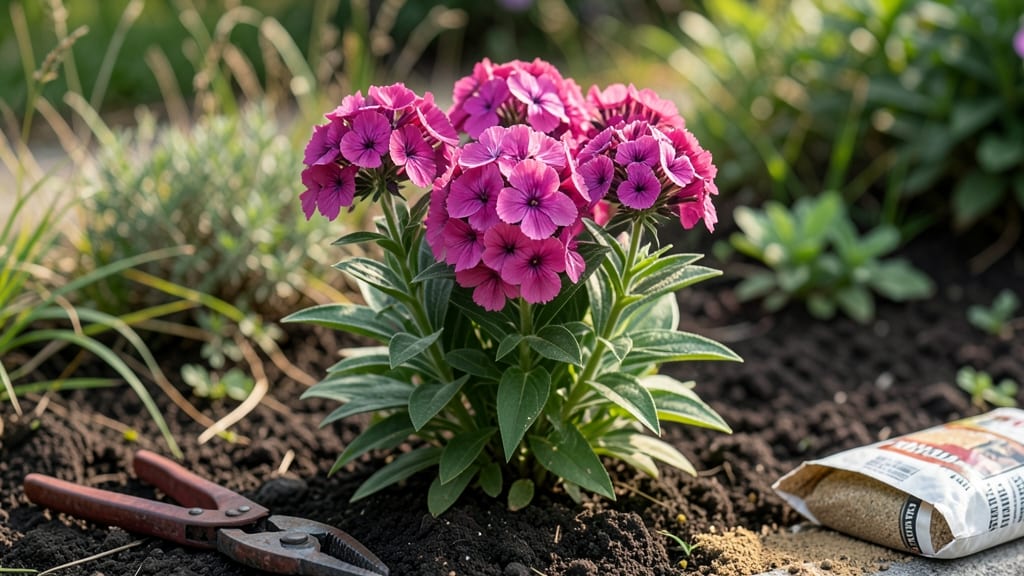
Do phlox like the sun or shade—it’s a key question for coaxing their brightest blooms and sturdiest stems.
Picture this: your phlox plants are struggling, with sparse blooms and leggy stems, even though you’re watering them right. The issue might be their light exposure—and getting it wrong can turn a showstopper into a flop.
Most phlox varieties, like garden and creeping types, crave at least 6 hours of sun daily, while woodland phlox can handle more shade. But too much shade weakens stems and reduces flowers, while too much direct sun can scorch leaves in hot climates.
In this guide, you’ll learn how to match your phlox’s light needs to your garden’s conditions, spot signs of poor lighting, and adjust care for peak blooms and strong growth—no guesswork required.
 Best Window Placement
Sun vs shade requirements for different phlox types
When it comes to phlox, one size doesn’t fit all—different varieties have distinct light preferences that directly impact their blooming potential. Garden phlox and creeping phlox typically thrive in full sun, while woodland phlox prefers partial shade.
Understanding these nuances ensures your phlox plants grow robustly and produce the vibrant flowers you love. Let’s dive into the specifics so you can position them perfectly in your garden.
For garden phlox (like Phlox paniculata), 6 to 8 hours of direct sunlight daily is ideal for strong stems and abundant blooms. This variety is the most sun-loving of the phlox family, making it perfect for sunny borders or cottage gardens.
In hotter climates, providing afternoon shade can prevent leaf scorch while still meeting their sun requirements. Meanwhile, creeping phlox (Phlox subulata) also favors full sun but can tolerate 3 to 4 hours of afternoon shade, especially in southern regions.
Woodland phlox, such as Phlox divaricata, is the exception—it thrives in partial shade with 3 to 6 hours of filtered sunlight. This variety often grows under trees or in woodland gardens where dappled light creates a cooler, more humid microclimate. Planting it in full sun can lead to leggy growth and fewer blooms, as the intense light stresses the plant. Regional adjustments are key: in cooler climates, woodland phlox can handle more morning sun, while hotter zones may require extra afternoon shade.
Here’s a quick comparison to help you decide where to plant each type based on their light needs:
If you’re in a hot, dry climate, like the Southwest U.S., garden phlox and creeping phlox may need afternoon shade to prevent wilting. In these areas, planting them near deciduous trees (which provide shade in summer but allow sun in winter) is a smart strategy.
Conversely, in cooler, northern climates, phlox can handle more direct sunlight year-round, as long as the soil stays well-drained. Always monitor your plants for signs of stress, like yellowing leaves or sparse blooms, which may indicate incorrect light exposure.
For container gardening, choose compact varieties like creeping phlox and place them in south-facing pots to maximize sunlight. Woodland phlox in containers can be moved to shadier spots during peak afternoon sun.
Remember, phlox roots are shallow, so reflective surfaces (like light-colored mulch or gravel) can help bounce extra light onto the plants, especially in shaded areas. This trick is particularly useful for woodland phlox struggling to get enough filtered light.
Another pro tip: Mulch around your phlox to regulate soil temperature and retain moisture, which is especially important for sun-loving varieties in hot climates. Use organic mulch like shredded bark or straw to keep roots cool and reduce evaporation.
Avoid thick layers, as they can smother the plants. Pair this with regular deadheading to encourage continuous blooming, regardless of light conditions. The key is balancing light, water, and maintenance to keep your phlox thriving.
When in doubt, observe your phlox’s growth habits. If stems stretch toward the light or leaves turn pale, it’s likely craving more sun. Conversely, dark green, glossy leaves with sparse blooms suggest too much shade.
Adjust placement gradually—phlox can adapt to slight changes in light, but abrupt shifts can stress the plant. With the right light conditions, your phlox will reward you with vibrant, fragrant blooms from early summer through fall.
Now that you’ve got the light requirements nailed down, you’re ready to create the perfect spot for your phlox—whether it’s a sun-drenched border or a dappled woodland garden. Happy planting! 🌸
How to tell if your phlox isn’t getting enough light (and how to fix it)
Your phlox plants might be silently begging for more sunlight, even if they’re still standing tall. When light deprivation hits, phlox often sends subtle signals like leggy stems or fewer blooms.
These aren’t just aesthetic issues—they’re survival strategies. Understanding these light deficiency symptoms is key to reviving your phlox before it’s too late.
Most garden phlox varieties crave full sun exposure (6+ hours daily), but even they can suffer if shaded too much. The first clue? Stems stretching toward light sources, a classic sign your phlox is reaching for sunlight.
This weakens their structure and makes them more prone to flopping over. Meanwhile, woodland phlox (like Phlox divaricata) tolerate shade better but still need bright indirect light to thrive.
Check your phlox’s leaves for color—pale or yellowing foliage is another red flag. Healthy phlox leaves should be deep green and sturdy. If they’re light green or yellowing, your plant is likely photosynthesizing poorly due to insufficient light.
Combine this with small, sparse blooms (or no blooms at all), and you’ve got a clear case of light starvation. Even well-established phlox can’t compensate for years of shade.
Fixing light deprivation starts with gradual sun exposure. Don’t move phlox suddenly into full sun—they’ll scorch in hours. Instead, acclimate them over 2-3 weeks by placing them in morning sun first, then gradually increasing exposure.
For container-grown phlox, rotate pots weekly to ensure even light distribution. If relocating isn’t an option, prune nearby shade trees or thin dense foliage to let more light reach your plants.
Companion planting can also help. Pair sun-loving phlox with taller plants like delphiniums or hollyhocks to create a microclimate that filters harsh afternoon sun while still allowing morning light. For shade-tolerant woodland phlox, group them with hostas or ferns that won’t compete for light.
Mulch with light-colored materials (like straw) to reflect extra sunlight onto the soil and roots.
Seasonal adjustments matter too. In hot climates, phlox may need afternoon shade to prevent wilting, while cooler regions can handle full sun all day. Monitor your phlox’s response—if new growth appears healthier with adjusted light, you’re on the right track.
With the right balance, your phlox will reward you with dense foliage and abundant blooms all season long.