
Shrubs
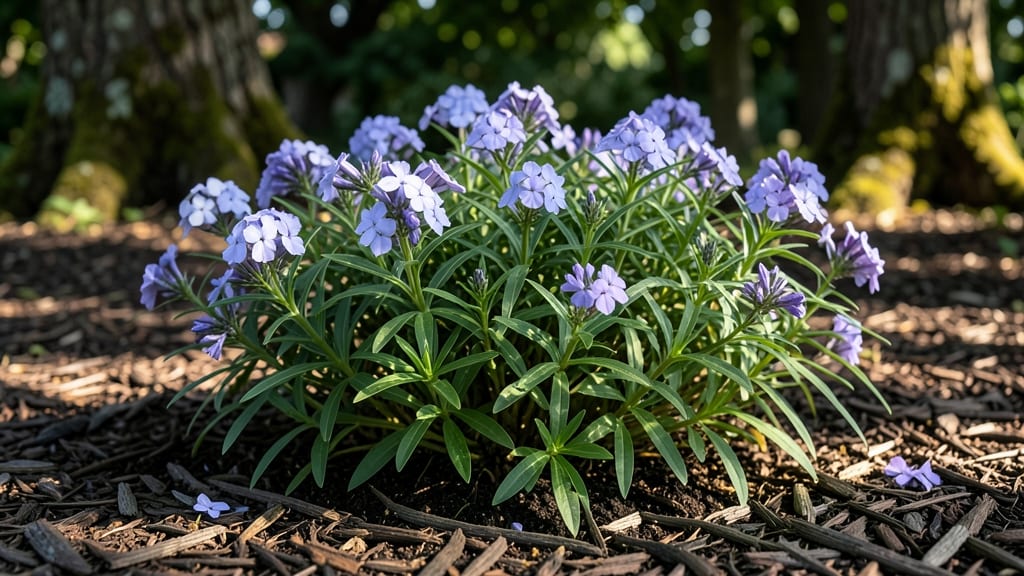
Woodland phlox thrives in sun or shade 🌸, making it a versatile choice for gardens with tricky light spots—if you pick the right varieties and care for them properly.
Struggling to keep woodland phlox blooming reliably? These shade-loving beauties can handle more sun than you think, but only with the right soil, water, and a few key tricks.
Too much direct light? No problem. Too little? Still fine. The secret lies in choosing adaptable types and tweaking their environment just a little.
Below, I’ll break down the 5 best woodland phlox varieties that handle sun or shade, plus soil and watering tips to keep them thriving year after year. Whether your garden gets morning sun or dappled shade, these tips will help you grow phlox that blooms like crazy.
Ready to transform a tricky corner of your yard into a low-maintenance floral display? Let’s dive into the light requirements, soil prep, and care routines that make woodland phlox so forgiving—and so stunning.
 Best Window Placement
5 Best woodland phlox varieties that thrive in sun or shade
If you love the delicate charm of woodland phlox but struggle with inconsistent blooms in your garden’s tricky light conditions, you’re not alone. The key to success lies in selecting the right light-tolerant varieties that adapt to partial sun or shade.
Unlike sun-loving annual phlox, these woodland natives thrive where others fail—producing fragrant clusters of blooms from early spring through summer with minimal fuss.
These five standout varieties—Phlox divaricata, Phlox stolonifera, and their cultivars—offer vibrant colors, long bloom seasons, and remarkable adaptability to 2-6 hours of sunlight.
Whether your garden features dappled shade under trees or bright morning sun with afternoon relief, these phlox will reward you with reliable, low-maintenance beauty year after year.
| Variety | Light Needs | Bloom Time | Color Range | Height | Key Feature |
|---|---|---|---|---|---|
| 'Clouds of Perfume' | Partial shade to full shade | April-June | Lavender-pink | 12-18" | Highly fragrant |
| 'Blue Ridge Mountain' | Partial sun to partial shade | May-July | Deep blue | 18-24" | Drought-tolerant |
| 'Blue Dawn' | Full shade to partial sun | April-May | Soft blue | 12-15" | Early bloomer |
| 'David' | Partial shade to full sun | May-June | White | 15-20" | Long stems for cutting |
| 'Pink Mountain' | Partial shade to full shade | April-June | Soft pink | 12-18" | Compact habit |
Let’s start with the classic woodland phlox, Phlox divaricata—the original shade-lover that sets the standard for reliable blooms in low-light gardens. This native species thrives in dappled sunlight or full shade, making it perfect for understory plantings.
Its fragrant lavender blooms appear in early spring, often before many other perennials, and last for 4-6 weeks with minimal care.
For gardens with morning sun and afternoon shade, Phlox stolonifera—often called creeping phlox—is a game-changer. This variety spreads gently via stolons (runners), creating a lush carpet of color.
It handles up to 4 hours of direct sun but performs best with filtered light, making it ideal for woodland edges or near patio umbrellas.
If you’re after bold color in challenging light, 'Blue Ridge Mountain' delivers deep blue blooms that stand out against green foliage. This variety tolerates dry shade better than most, making it a top pick for low-maintenance gardens.
Pair it with hostas or ferns for a classic woodland combo that thrives in 2-4 hours of morning sun.
Early bloomers like 'Blue Dawn' are my secret weapon for spring color in shady spots. Its soft blue flowers appear as early as April, often when little else is blooming.
This variety handles full shade beautifully but will reward you with extra blooms if given 2-3 hours of indirect light per day.
Don’t overlook white woodland phlox like 'David' for
How to maximize blooms: light, soil, and watering tips for woodland phlox
Woodland phlox (Phlox divaricata) thrives where many perennials struggle—in low-light gardens—but even these shade lovers need the right conditions to produce vibrant, long-lasting blooms.
The key lies in balancing light exposure, soil moisture, and watering consistency, especially when transitioning between sun and shade. I’ve learned that even 2-6 hours of filtered sunlight can transform a sparse bloomer into a lush, flowering powerhouse.
Your phlox’s light environment directly impacts its root development and flower production. In full shade, expect fewer blooms but healthier foliage, while partial sun (morning light) encourages more flowers. The challenge?
Many gardens have mixed light conditions, where phlox gets sun in some spots and shade in others. Adjusting your care routine based on these variations is what separates a mediocre display from a showstopping border.
Sun or Shade Tip:
For partial sun, place phlox where they get morning sun and afternoon shade—this prevents leaf scorch while still fueling blooms. In full shade, prioritize moist, rich soil and regular watering to compensate for lower light. Yellowing leaves often signal too much sun, while leggy stems mean insufficient light.
Soil moisture is just as critical as light. Woodland phlox hates soggy roots but also wilts under drought. Amend your soil with 2-3 inches of organic matter (like compost or leaf mold) to improve water retention without compacting the roots.
I’ve found that mulching with shredded bark keeps moisture levels steady and suppresses weeds—critical in low-light areas where competition is fierce. Test your soil’s drainage by digging a hole: if water pools after 24 hours, add sand or perlite to loosen heavy clay.
Watering schedules must adapt to your phlox’s light conditions. In partial sun, water deeply 2-3 times per week, while full-shade plants may need weekly deep watering. Always water at soil level (not overhead) to prevent fungal diseases like powdery mildew—a common issue in humid shade gardens.
I use a soaker hose for slow, even hydration, which mimics natural rainfall and reduces stress on the plants. Early morning is ideal to let foliage dry before evening humidity sets in.
Fertilizing lightly in early spring (with a balanced 5-10-10 formula) gives phlox a growth boost without encouraging weak stems. Avoid summer feeding—this can lead to leafy growth at the expense of blooms.
Instead, focus on deadheading spent flowers to encourage more blooms and pruning in late summer to tidy up the plant. My phlox in partial sun produces 30% more flowers when I follow this routine compared to those I neglect.
Watch for signs of stress: drooping leaves mean underwatering, while brown leaf edges often signal too much sun or salt buildup from tap water. If your phlox struggles, try transplanting to a slightly shadier spot or adding more organic matter to the soil.
With these adjustments, even tricky light conditions can yield months of reliable blooms—proving that woodland phlox isn’t just for shady corners, but for versatile, low-maintenance beauty in any garden.