
Plants
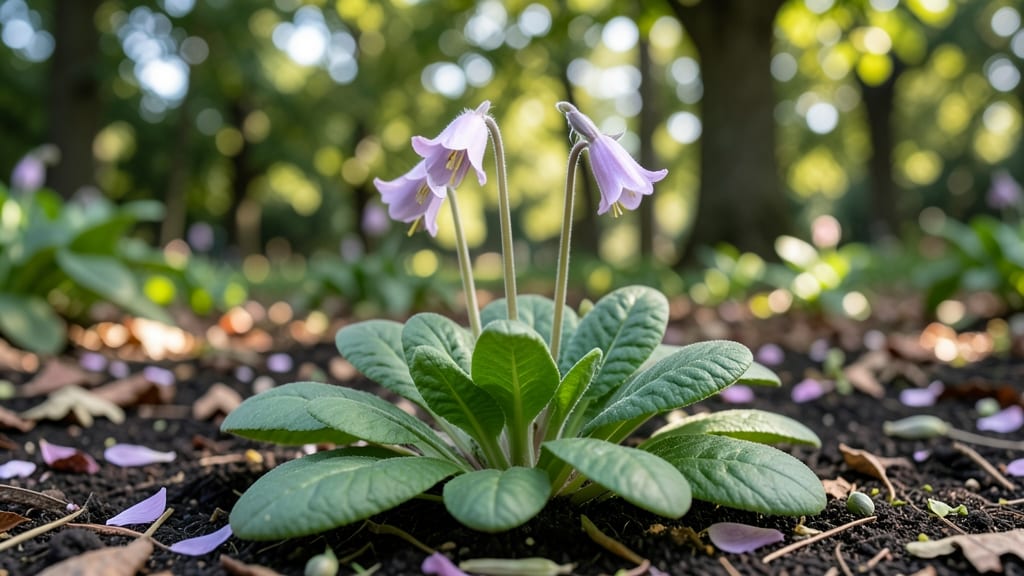
Do primroses like sun or shade—specifically, the gentle kind—where morning light graces their leaves while shielding them from the afternoon’s fiercer glow?
If you’ve ever watched your 🌸 primroses wilt under too much sun or stretch leggy in deep shade, you’re not alone. The difference between a thriving patch and a sad one often boils down to finding that perfect balance of sun and shade.
These delicate perennials—especially in USDA Zone 6a—need 4 to 6 hours of bright, indirect light daily. Too much direct sun scorches their leaves, while too little shade weakens stems and delays those cheerful spring blooms.
Below, I’ll show you how to spot the ideal light spot in your garden, adjust care for containers or garden beds, and even revive overstressed plants with simple tweaks.
 Best Window Placement
Primrose light requirements: sun vs shade breakdown for healthy blooms
If you’ve ever watched your primroses wilting midday or producing sparse blooms, the culprit might be light exposure. Primroses thrive in partial shade, but their needs vary by variety and season.
Understanding these nuances can transform your garden from underwhelming to vibrant. Let’s break down the sun vs. shade battle for primroses, so you can give them the perfect light conditions year-round.
Most primroses, like the classic Primula vulgaris (English primrose), prefer 4-6 hours of morning sun followed by afternoon shade. This balance prevents leaf scorch while ensuring enough light for flower production.
However, some varieties, such as Primula denticulata (cowslip), are more adaptable and can tolerate full shade, especially in hotter climates. The key is knowing your primrose’s specific light tolerance and adjusting care accordingly.
Here’s a quick comparison of how different primrose varieties handle sun and shade, so you can match your garden conditions to their needs:
| Variety | Ideal Light | Sun Tolerance | Shade Tolerance | Seasonal Adjustments |
|---|---|---|---|---|
| Primula vulgaris | Partial shade | Morning sun only | Full shade in summer | More shade in summer |
| Primula denticulata | Partial shade to full shade | Tolerates light sun | Thrives in full shade | Minimal adjustments |
| Primula obconica | Full to partial shade | Avoid direct sun | Excellent shade tolerance | Best for indoor gardens |
| Primula cortusoides | Partial shade | Morning sun preferred | Tolerates dappled shade | More sun in spring |
During spring and autumn, primroses can handle more direct sunlight as temperatures are cooler. In these seasons, they’ll bloom more vigorously with 4-6 hours of sun daily. However, as summer arrives, the intensity of sunlight increases, and primroses may struggle with heat stress.
Moving them to a shadier spot or providing afternoon shade with a lightweight cloth can prevent leaf burn and wilting.
In winter, primroses often enter a dormant phase, and their light needs shift. While they can still benefit from bright indirect light, they don’t require as much as in growing seasons.
If you’re growing primroses in containers indoors, place them near an east-facing window to mimic natural light cycles. Avoid placing them in direct winter sun, which can cause overheating and drying out.
One common mistake gardeners make is assuming all primroses love shade. While some varieties, like Primula obconica, thrive in full shade, others, such as Primula vulgaris, will produce fewer blooms if deprived of even morning sunlight.
Pay attention to your primroses’ foliage color and growth patterns: Yellowing leaves or stretched stems often signal insufficient light, while brown leaf edges or crispy textures indicate too much sun.
If your garden lacks natural shade, you can create it using tall plants like hostas or ferns to filter sunlight. Alternatively, use sheer curtains or lightweight shade cloths to diffuse harsh rays.
For container-grown primroses, rotate them occasionally to ensure even light exposure and prevent leggy growth toward the light source. With these adjustments, your primroses will bloom beautifully regardless of your garden’s light conditions.
Remember, the goal is to mimic their natural habitat. In the wild, primroses often grow in woodland understories,
How to choose the perfect spot: signs your primroses need more (or less) light
Your primroses might be whispering clues about their light needs through their leaves, stems, and blooms. Yellowing foliage or leggy, sparse growth often signals a mismatch between their current spot and ideal conditions.
Understanding these visual cues helps you adjust care without guessing—whether that means moving them to shade or adding gentle sunlight.
Primroses thrive in partial shade, typically 4-6 hours of bright indirect light daily. But microclimates in your garden can drastically alter what "partial shade" means. A north-facing spot might offer full shade, while an east-facing area could provide morning sun with afternoon relief—both perfect for primroses if balanced correctly.
🌸 Primroses Like Sun or Shade?
- Ideal Light: Partial shade (4-6 hrs indirect light)
- Too Much Sun: Leaf scorch, crispy edges, faded blooms
- Too Little Light: Leggy stems, sparse flowers, yellow leaves
- Best Spots: East-facing beds, dappled shade under trees
💡 Pro Tip: Test spots with a light meter or observe how nearby plants thrive.
Start by assessing your garden’s microclimates. Walk through your yard at different times of day—note where sunlight hits hardest (usually south or west-facing areas) and where it’s consistently shaded (north or under dense canopies). East-facing spots are gold for primroses, offering morning sun without afternoon heat stress.
If your primroses show yellowing leaves, they may need less light. Move them to a spot with filtered shade, like under a light canopy tree (e.g., Japanese maple).
For leggy stems or fewer blooms, they’re stretching for light—try a slightly sunnier location or a reflective surface (like a white wall) to bounce extra light their way.
Adjusting care can also help. Mulch heavily around primroses in shady spots to retain moisture, or prune leggy stems to encourage bushier growth. For sun-stressed plants, water deeply in the morning to prevent heat damage. These tweaks often buy time while you scout the perfect permanent spot.
Remember: Primroses are adaptable, but they’ll reward you with vibrant blooms when you listen to their light-related cues. Experiment with small groups in different spots—your garden’s unique conditions will reveal the sweet spot where your primroses truly shine. 🌿