
Light Requirements
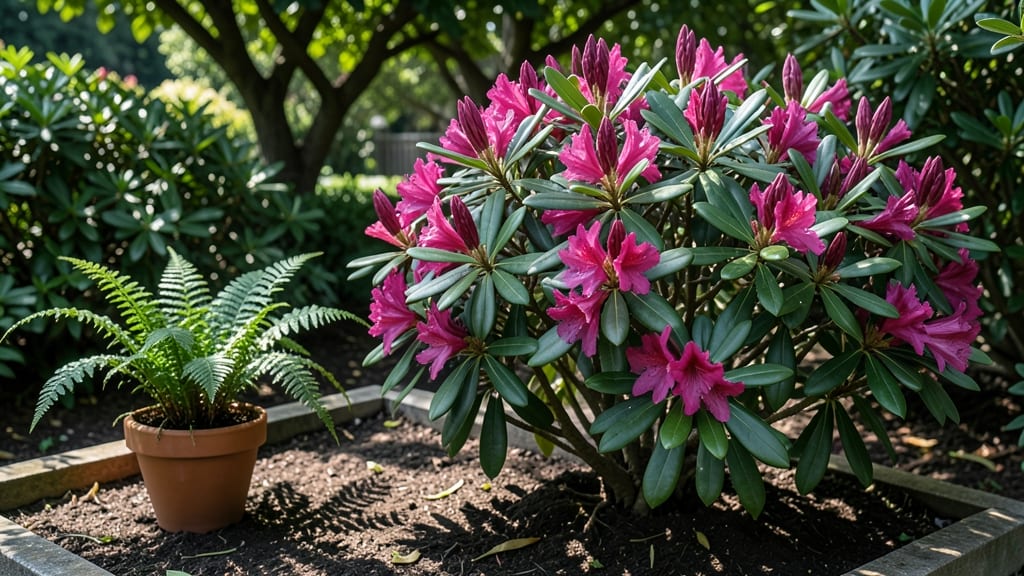
Azaleas can grow in full shade—but only if you choose the right varieties and tweak their care routine.
Picture this: a lush, shady garden corner bursting with vibrant 🌸 azalea blooms that seem to defy the gloom. It’s not just a dream—it’s possible with shade-tolerant types like Rhododendron vaseyi or Rhododendron carolinianum, which thrive where others fade.
The key? Understanding their light needs and adjusting soil, water, and fertilizer to keep them happy.
Most azaleas crave morning sun and afternoon shade, but some varieties actually prefer deep shade—especially in hot climates where afternoon rays would scorch their leaves.
Without enough light, they may skip blooming or grow leggy, but with the right approach, you can coax stunning flowers even in the darkest spots of your yard.
In this guide, I’ll walk you through the top 5 shade-loving azaleas, how to prep your soil for low-light success, and the common pitfalls that turn thriving plants into sad, struggling shrubs.
Whether you’re dealing with a dense tree canopy or a north-facing patio, these tips will help you grow azaleas that bloom beautifully—no direct sun required.


5 Best azalea varieties that thrive in full shade gardens
If you've ever wondered can azaleas grow in full shade, the answer is a resounding yes—but only with the right varieties. While most azaleas prefer partial shade, some stunning cultivars thrive in full shade conditions, producing vibrant blooms without direct sunlight.
These shade-tolerant azaleas are perfect for woodland gardens, north-facing yards, or areas under tall trees where sunlight is limited.
Full shade doesn't mean sacrificing beautiful blooms. The key lies in selecting native azalea species and evergreen rhododendrons that have adapted to low-light environments. These varieties often have larger leaves to capture more indirect light and longer bloom seasons to make the most of their growing conditions.
Let's explore the top 5 shade-loving azaleas that will transform your darkest garden corners into vibrant displays.
Comparison of the best shade-tolerant azalea varieties:
| Variety | Bloom Color | Mature Height | USDA Zones | Shade Tolerance | Bloom Time |
|---|---|---|---|---|---|
| Rhododendron maximum (Great Laurel) | White to pink | 6-12 ft | 3-8 | Full shade | Late spring |
| Rhododendron carolinianum (Carolina Rhododendron) | Pink to purple | 3-6 ft | 5-9 | Full shade | Early spring |
| Rhododendron vaseyi (Rosebay Rhododendron) | Pink to lavender | 4-8 ft | 4-8 | Full shade | Mid to late spring |
| Rhododendron catawbiense 'Catawba Bounce' | Purple | 3-5 ft | 4-8 | Full shade | Early to mid spring |
| Rhododendron 'PJM' (Elite) | White to pink | 4-6 ft | 3-8 | Full shade | Late spring |
The Rhododendron maximum, also called Great Laurel, is one of the most shade-tolerant azaleas and can handle full shade conditions beautifully. Native to eastern North America, this variety thrives in woodland gardens and is known for its large white to pink blooms that appear in late spring.
Its evergreen leaves provide year-round interest, making it a standout in shady landscapes.
For those in USDA zones 5-9, the Rhododendron carolinianum is a fantastic choice. This Carolina Rhododendron produces delicate pink to purple flowers in early spring and can tolerate full shade while still producing abundant blooms.
Its compact size makes it ideal for foundation plantings or as a privacy screen in shady areas.
If you're looking for a longer bloom season, consider the Rhododendron vaseyi, also known as Rosebay Rhododendron. This variety blooms from mid to late spring and produces fragrant pink to lavender flowers that attract pollinators. It's particularly well-suited for mountain gardens and thrives in full shade
How to create ideal growing conditions for shade-loving azaleas
Azaleas can absolutely thrive in full shade—but only if you create the right conditions. The key lies in acidic soil, consistent moisture, and strategic companion planting. Unlike sun-loving varieties, shade azaleas need extra care to compensate for lower light levels, which slows photosynthesis.
With the right approach, you’ll reward yourself with vibrant blooms even in the darkest corners of your garden.
First, focus on soil pH between 4.5 and 6.0. Azaleas are acid-lovers, and alkaline soil will stunt their growth or cause yellowing leaves. Test your soil with a simple kit, and amend with sulfur or peat moss if needed.
Pair this with organic matter like compost to improve moisture retention—critical in shady spots where soil dries more slowly.
🌿
- Soil Prep: Mix 2 inches of pine bark into planting hole for acidity + drainage
- Mulching: Apply 3-inch layer of pine needles to retain moisture and acidify soil
- Watering: Keep soil evenly moist—never soggy—watering early morning to prevent fungal risks
- Companions: Plant with ferns or hostas to mimic forest-floor conditions and boost humidity
- Fertilizer: Use acidic, slow-release fertilizer (e.g., 16-6-8) in early spring
Mulching is non-negotiable for shade azaleas. A 3-inch layer of pine needles or wood chips keeps roots cool, suppresses weeds, and slowly releases acidity. Avoid thick layers that suffocate roots, and refresh mulch annually.
Pair this with drip irrigation to deliver consistent moisture without wetting foliage—critical to prevent fungal diseases like powdery mildew, which thrive in humid shade.
Companion plants play a surprising role in shade azaleas. Ferns, hostas, and caladiums create a natural microclimate by increasing humidity and mimicking the dappled light of a forest understory.
Avoid competitive plants like ivy or bamboo, which can steal nutrients. Instead, opt for low-growing perennials that complement azaleas’ height while sharing similar moisture needs.
Finally, monitor your azaleas for yellowing leaves—a classic sign of iron deficiency in acidic soils. If this happens, apply chelated iron in spring and avoid lime amendments at all costs. With these adjustments, your shade azaleas will reward you with longer bloom seasons and healthier foliage than sun-starved alternatives.
🌸