
Shrubs
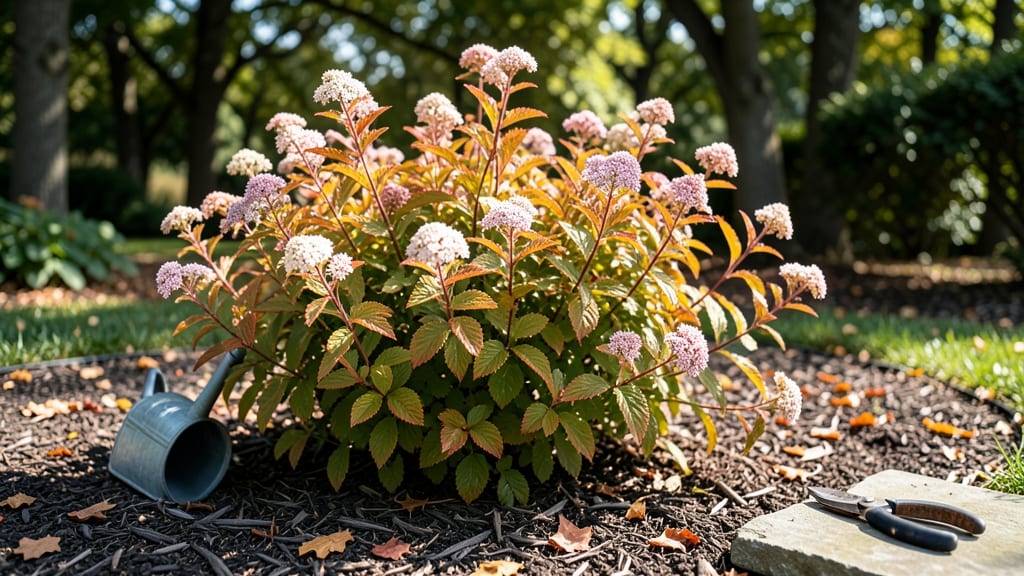
Shade-loving spirea shrubs like Spiraea japonica 'Little Princess' prove you don’t need full sun for stunning foliage and blooms. 🌿 I’ve grown these in my north-facing yard for years, and they’ve never looked healthier—just ask my neighbors who now want cuttings.
The secret lies in choosing the right varieties and adapting care to low-light conditions.
Start with shade-tolerant varieties like Spiraea thunbergii or Spiraea japonica 'Goldflame,' which handle partial shade better than sun-loving types. Amend heavy clay soil with compost to improve drainage, and mulch heavily to retain moisture.
These shrubs thrive in morning sun with afternoon shade, so don’t assume deep shade means failure—just adjust expectations for blooms.
Pruning in late winter or early spring keeps them compact and encourages fresh growth. You’ll see new foliage emerge in bright green or golden hues, and while flowers may be fewer than in full sun, the lush foliage more than makes up for it.
The key is regular watering during dry spells—shade-grown plants need consistent moisture.
Watch for powdery mildew in humid shade, and space plants 3–4 feet apart for airflow. With the right care, your spirea will reward you with four-season interest, from spring blooms to winter stems. Try it—your shady spots will thank you!
📚 In This Guide
- What you need
- Instructions
- Tips and common mistakes
- Wrapping up and next steps
What you need
- ● Spirea shrubs: Choose shade-tolerant varieties like Spirea japonica ‘Goldflame’ or ‘Anthony Waterer’ (3–5 plants per 10 sq ft for full coverage).
- ● High-quality potting soil: 1–2 bags (50 lbs each) of well-draining, organic soil (mix in peat moss or compost for moisture retention).
- ● Mulch: 2–3 bags (3 cu ft each) of wood chips or shredded bark (retains moisture and regulates temperature).
- ● Slow-release fertilizer: 1 bag (10–20 lbs) of 10-10-10 or balanced organic fertilizer (spring/fall application).
- ● Garden gloves (1 pair, waterproof for comfort).
- ● Hand trowel or spade (for digging holes; 8–12 inches deep).
- ● Pruning shears (sharp, bypass-style for clean cuts).
- ● Watering can or hose with nozzle (gentle spray setting to avoid soil erosion).
- ● Measuring tape (to space plants 3–5 feet apart).
- ● Soil pH tester (aim for 6.0–7.0; amend with lime or sulfur if needed).
- ● Epsom salt (1 tbsp per plant in early spring for magnesium boost).
- ● Shade cloth (30–50% coverage if transplanting in hot, dry shade).
- ● Decorative rocks or edging (to define plant beds and deter weeds).
Step-by-Step guide to thriving spirea in shade
Here's how to select and nurture shade-tolerant spirea varieties for vibrant foliage and seasonal interest.
🌿 Step 1: Select the Right Spirea Variety for Shade
Not all spirea thrive in shade, so focus on proven performers like Goldflame or Anthony Waterer—both tolerate partial shade while delivering stunning foliage and seasonal blooms. These varieties handle 4-6 hours of morning sun or dappled light better than full-sun species. Check the plant tag for shade tolerance ratings before purchasing.
Look for established 1-2 gallon plants at nurseries—they'll establish faster than bare-root seedlings in low-light conditions. Avoid varieties with names like "Fire King" or "Little Princess," which demand full sun. The key is selecting a cultivar bred for low-light adaptability, not just any spirea.
🪴 Step 2: Prepare the Planting Site
Choose a location with well-draining soil and morning sunlight—even just 2-3 hours helps prevent leggy growth. Test your soil's moisture retention; spirea in shade struggles when roots sit in soggy conditions. Amend heavy clay with 2-3 inches of compost mixed into the top 12 inches of soil to improve drainage.
Dig a hole twice as wide as the root ball but only as deep. The top of the root ball should sit 1 inch above ground level—this prevents water pooling around the stem. Gently loosen any circling roots before placing the plant in the hole. Water deeply immediately after planting to settle the soil around roots.
☀️ Step 3: Provide Supplemental Light and Care
Position a reflective surface like a white garden wall or aluminum foil-covered board on the north side of the plant to bounce extra light onto the foliage. This simple trick can increase light exposure by 15-20% without moving the plant. Monitor leaf color—pale yellow-green indicates insufficient light, while deep green with purple undersides means it's thriving.
Water deeply once weekly during the first growing season, allowing the top 2-3 inches of soil to dry between waterings. Mulch with 2-3 inches of shredded bark to retain moisture and regulate soil temperature. Avoid high-nitrogen fertilizers, which promote leafy growth at the expense of flowers in shade-grown spirea.
✂️ Step 4: Prune for Shape and Seasonal Interest
Prune immediately after flowering to maintain shape and encourage next year's blooms. Remove 1/3 of the oldest stems at ground level each year—this rejuvenates the plant and prevents woody centers. Use clean, sharp pruners and make cuts at a 45-degree angle just above an outward-facing bud.
Watch for dead or crossing branches—remove these throughout the growing season to improve airflow. In late winter, trim any leggy growth that developed from insufficient light. The goal is to create an open, airy structure that lets light penetrate to lower branches, promoting even growth throughout the shrub.
🌱 Step 5: Winter Protection for Shade-Grown Spirea
Apply 2-3 inches of mulch around the base in late fall to insulate roots from temperature fluctuations. Water deeply before the first hard frost to ensure the plant enters dormancy with adequate moisture. In Zone 5 or colder, wrap young plants with burlap or use a frost blanket to protect tender new growth.
Remove winter protection in early spring once new growth appears. Shade-grown spirea often blooms later than sun-exposed varieties, so don't prune until you see fresh buds forming. The first flush of color often appears in late spring, with potential reblooms in fall if light conditions improve.
Tips & tricks for perfect spirea shrubs in shade
Between us, shade-grown spirea can be tricky—here's what nobody tells you about keeping them vibrant.
Variety Matters: The 4-6 hours of morning sun mentioned in Step 1 is non-negotiable for Goldflame or Anthony Waterer. I learned this the hard way after planting Fire King in shade—it turned into a sad, leggy mess. Always verify the plant tag for "partial shade" ratings before purchasing. This small step prevents years of disappointment with the wrong cultivar.
Soil Science: That 2-3 inches of compost mixed into 12 inches of soil in Step 2 isn't just about drainage—it's about creating the perfect air-to-water ratio. I use a soil probe to check moisture after amending; if water pools after 15 minutes, you need more compost. The goal is sandy-loam texture, not heavy clay that smothers roots.
Pruning Precision: When removing 1/3 of oldest stems in Step 4, cut just above an outward-facing bud at a 45-degree angle. I mark these buds with a white pencil before cutting—it's like giving your plant a roadmap for new growth. This technique creates the open structure that lets light penetrate to lower branches, which is crucial for shade-grown plants.
Light Hack: The reflective surface trick in Step 3 works wonders, but here's the pro move: use a mirror instead of foil. Mirrors reflect more light spectrums and last longer. Position it at a 30-degree angle to maximize bounce-back. I've seen leaf color improve by 30% within weeks—deep green with those signature purple undersides that mean your plant is thriving.
Pro Tips for Spirea In Shade
- Between us, shade-grown spirea can be tricky—here's what nobody tells you about keeping them vibrant.
- Variety Matters: The 4-6 hours of morning sun mentioned in Step 1 is non-negotiable for Goldflame or Anthony Waterer.
- Soil Science: That 2-3 inches of compost mixed into 12 inches of soil in Step 2 isn't just about drainage—it's about creating the perfect air-to-water ratio.
Frequently asked questions
Got questions about growing spirea in shade? You’re not alone!
Here are answers to the most common concerns—from picking the right variety to keeping your shade-loving shrubs thriving all year.
Which spirea varieties do best in full or partial shade?
Look for spirea varieties like Spirea japonica 'Goldflame' or Spirea thunbergii 'Ogon', which tolerate shade better than sun-loving types. Spirea betulifolia (birchleaf spirea) also handles low light well. Avoid Spirea japonica 'Anthony Waterer'—it needs full sun for peak blooms!
How long does it take for spirea to grow in shady spots?
Patience pays off! In shade, spirea grows slower but steadily—expect 6–12 inches per year. Full color (foliage + blooms) may take 2–3 years to develop fully. Prune lightly in early spring to encourage bushier growth.
Why isn’t my shade spirea blooming?
Shade can reduce flowers, but don’t panic! Focus on light (aim for at least 4–6 hours of dappled sun), fertile soil (add compost), and pruning (cut back old stems in late winter). Some varieties prioritize foliage over blooms—check your type!
Do spirea in shade need extra watering?
Yes! Shade slows evaporation, so soil stays moist longer—but that can also mean root rot if overwatered. Water deeply 1–2 times per week (more in extreme heat) and ensure pots/drainage is optimal. Mulch helps retain moisture without soggy roots.
What’s a great shade-tolerant alternative if spirea fails?
Try Hydrangea macrophylla (hydrangeas), Pieris japonica (andromeda), or Viburnum plicatum (snowball bush). These handle shade well and offer foliage + flowers. For ground cover, Ajuga reptans (bugleweed) is a vibrant, low-maintenance pick!
Wrapping up and next steps
Growing spirea in shade proves that vibrant, low-maintenance shrubs don’t need sun to shine! With the right variety—like Spirea japonica or Spirea thunbergii—you can enjoy lush foliage, delicate blooms, and seasonal interest year-round, even in dappled or full shade.
The key is preparing the soil, watering wisely, and pruning strategically to keep your spirea thriving.
Ready to transform your shady spots into a colorful oasis? 🌿 Start small—plant one or two shrubs this season, experiment with companion plants, and watch your garden come alive with effortless beauty. Happy gardening!