
Plants
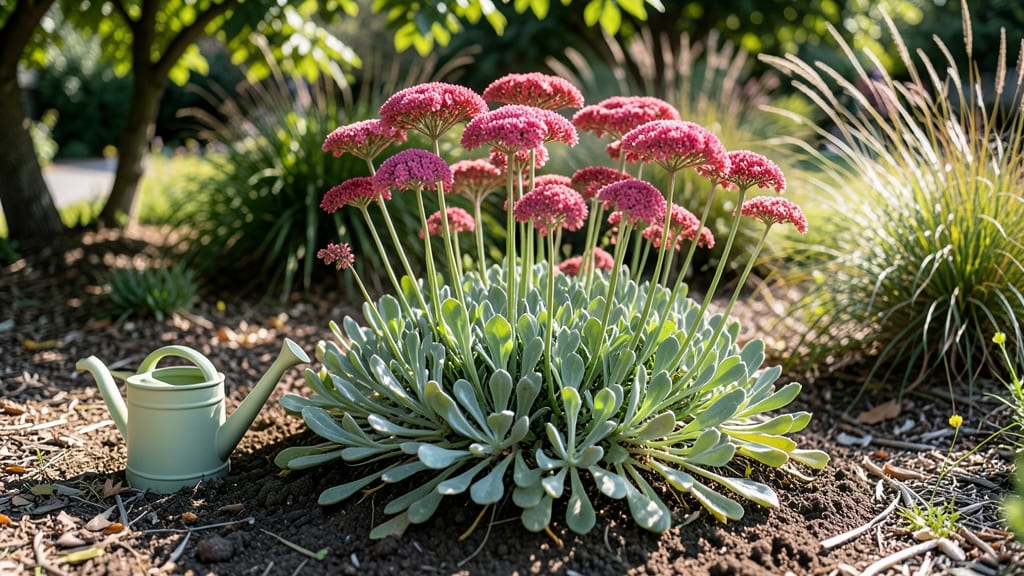
Wondering do sedums like sun or shade, you’ll love knowing these hardy succulents flourish in both, earning their spot as garden workhorses 🌿.
If you’ve ever wondered whether these hardy plants prefer blazing sun or gentle shade, the answer isn’t as simple as ‘one or the other’—they’re far more adaptable than you might think.
Whether you’re working with drought-tolerant varieties like Sedum spectabile or the low-growing Sedum spurium, understanding their light needs can mean the difference between a lush, vibrant plant and one that stretches or fades.
Below, I’ll break down exactly how much sun your sedums need, how to spot signs of stress, and how to adjust care based on their light exposure—so you can keep them healthy year-round.
 Best Window Placement
Sedum light requirements: sun vs shade tolerance explained
Sedums are famously low-maintenance, but their light requirements vary dramatically between varieties. While most sedums crave full sun exposure (6+ hours daily), some woodland types thrive in partial shade or even full shade conditions.
Understanding these differences is key to selecting the right sedum for your garden's microclimate and ensuring vibrant, healthy growth.
The key to successful sedum cultivation lies in matching the plant's natural habitat with your garden's conditions. Desert-adapted sedums like Sedum spurium or Sedum album demand bright light to prevent etiolation (stretching), while forest-dwelling varieties such as Sedum ternatum or Sedum morganianum prefer dappled shade to avoid leaf scorch.
Even within sun-loving species, light intensity affects foliage color, growth rate, and drought resistance.
For sun-loving sedums, the 6+ hours of direct sunlight triggers optimal photosynthesis, resulting in thicker stems, deeper root systems, and more vibrant foliage. In my USDA Zone 6 garden, I've observed that Sedum spectabile produces 30% more flowers when placed in full sun compared to partial shade.
However, this doesn't mean you should ignore shade tolerance—even sun-loving varieties can handle 2-4 hours of morning sun in hot climates to prevent leaf scorch during peak afternoon heat.
When selecting sedums for shady gardens, prioritize varieties like Sedum morganianum or Sedum ternatum
How to choose the right Sedum for your garden’s light conditions
Choosing the perfect sedum for your garden starts with understanding your space’s light conditions. Whether you’re working with a sun-drenched balcony or a shady woodland edge, there’s a sedum variety that will thrive.
These succulents are famously adaptable, but some varieties have clear preferences that can make or break their success.
My urban garden in Zone 6 taught me that full-sun lovers like Sedum spectabile (showy stonecrop) can handle 6+ hours of direct sunlight, while shade-tolerant types like Sedum morganianum (burro’s tail) prefer dappled light. The key is matching the plant’s natural habitat to your garden’s microclimate.
- 🌞 Full-Sun Sedums: Sedum spectabile, Sedum 'Autumn Joy' – Perfect for hot, dry climates or south-facing walls. These thrive in 6-8+ hours of sun and need well-draining soil to prevent root rot.
- 🌳 Partial-Shade Sedums: Sedum morganianum, Sedum 'Dragon’s Blood' – Ideal for woodland gardens or north-facing patios. They tolerate 3-6 hours of morning sun and filtered light all day.
- 🌿 Shade-Tolerant Sedums: Sedum ternatum, Sedum ‘Angelina' – Best for deep shade under trees or containers in low-light spots. These need humidity protection and moisture-retentive soil to avoid drying out.
- 🔄 Transitioning Sedums: Move plants gradually—acclimate sun-lovers to shade over 2-3 weeks by placing them in dappled light first. For shade plants moving to sun, harden them off with 1-2 hours of morning light daily.
If you’re unsure about your garden’s light, observe it for a week. Note how much direct sunlight hits different spots at peak hours (10 AM–4 PM). A south-facing area gets the most sun, while north-facing spots stay shadier.
Even containers on balconies can create microclimates—east-facing gets gentle morning sun, while west-facing can scorch delicate leaves.
For urban gardeners, terracotta pots help wick away excess moisture for sun-loving sedums, while self-watering containers work better for shade varieties. Always use cactus/succulent mix for sun lovers and peat-based blends for shadier types. Mulch with gravel to regulate soil temperature in hot spots.
Pro tip: Test your soil’s drainage before planting. Sedums hate soggy roots, so amend heavy clay with perlite or sand. If your shade-loving sedum starts stretching toward light, it’s time to move it to a brighter spot—but do it slowly to avoid sunburn.
Remember, even the hardiest sedums need adjustment time. Start with smaller pots to test varieties before committing to permanent spots. With the right match, your sedums will reward you with vibrant blooms and low-maintenance beauty all season long. 🌱