
Plants
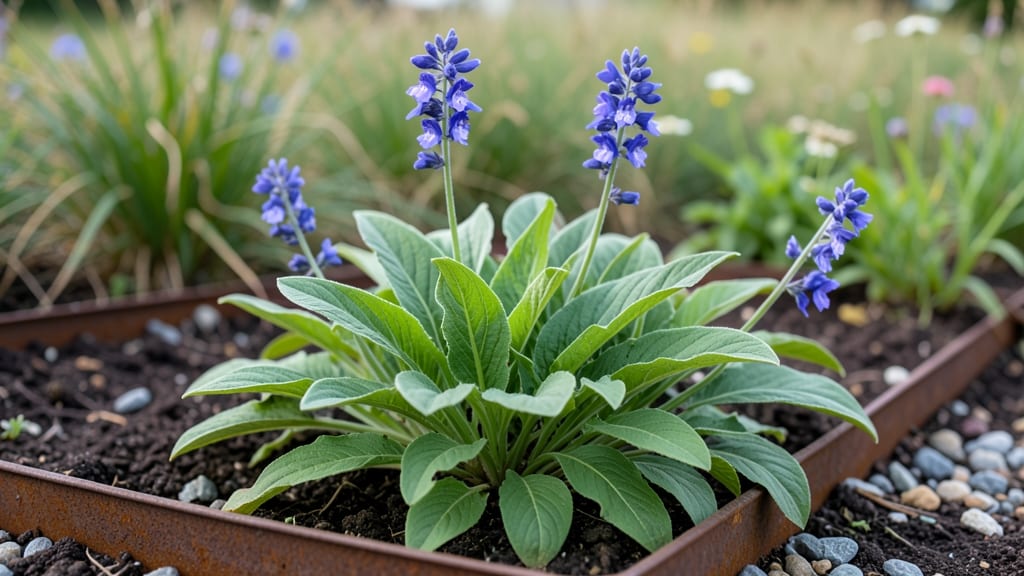
Does spiderwort like sun or shade, and how do you spot the difference when it thrives best in partial shade with morning sun and afternoon shade? 🌸
Picture this: your spiderwort’s leaves are stretching toward the light like it’s reaching for a handout, or worse, the blooms are sparse and lackluster. That’s your plant screaming for the right balance of sun and shade.
Getting it wrong can turn a vibrant garden star into a leggy shadow of its potential.
Most gardeners assume spiderwort is a low-maintenance plant that tolerates anything, but the truth is, it’s picky about its light. Too much direct sun scalds the leaves, while too little shade stunts the blooms. The key is mimicking its natural habitat — dappled woodland light that filters through trees.
In this guide, I’ll break down exactly how much sun spiderwort can handle, how to adjust its placement for peak blooms, and what to watch for when the light is off.
By the end, you’ll know whether your garden spot is a sun lover’s paradise or a shade sanctuary for this beauty.
 Best Window Placement
Spiderwort light requirements: sun vs shade for optimal growth
Spiderwort (Tradescantia spp.) is a versatile perennial that thrives in conditions ranging from bright light to partial shade, but its performance varies dramatically based on exposure. Understanding its light needs is key to encouraging lush foliage and abundant blooms. Most varieties prefer 4-6 hours of morning sun followed by afternoon shade, but some can handle more direct sunlight. Let’s break down how to optimize your spiderwort’s light environment for the best results.
Native to North America, spiderwort evolved to handle moderate sunlight while avoiding harsh afternoon rays. This adaptability makes it a great choice for gardens with partial shade conditions, especially in hotter climates.
However, too little light leads to leggy growth and sparse blooms, while excessive sun can scorch delicate leaves. The ideal balance depends on your specific variety and regional climate.
| Light Condition | Sun Exposure | Growth Impact | Best For |
|---|---|---|---|
| Full Sun | 6+ hours direct sun | Strong stems, fewer blooms, risk of leaf scorch | Drought-tolerant varieties (e.g., Tradescantia ohiensis) |
| Partial Sun | 4-6 hours morning sun | Balanced growth, vibrant blooms, healthy foliage | Most garden varieties (e.g., Tradescantia virginiana) |
| Partial Shade | 2-4 hours filtered light | Slower growth, smaller blooms, risk of legginess | Woodland gardens, shady borders |
| Low Light | Indirect light only | Weak stems, no blooms, yellowing leaves | Indoor containers, deep shade areas |
For optimal spiderwort growth, aim for partial sun conditions—this means placing your plants where they receive gentle morning sunlight and afternoon shade. In hot climates, afternoon shade is critical to prevent leaf burn.
If your garden lacks natural shade, consider using light-colored shade cloth (30-50% coverage) during peak sun hours to mimic ideal conditions.
In container gardening, rotate pots every few weeks to ensure even light exposure. This prevents uneven growth and encourages bushier, more compact plants. Spiderworts in containers dry out faster, so ensure they’re placed in spots with morning sun and afternoon shade to maintain moisture balance.
If you notice leggy stems or pale foliage, your spiderwort likely needs more light. Move it to a brighter spot gradually—sudden exposure to full sun can shock the plant.
Conversely, if leaves turn yellow or brown at the edges, it’s getting too much direct sunlight. Adjust its position to filtered light or provide afternoon shade.
Some spiderwort varieties, like Tradescantia ohiensis, tolerate more sun and can thrive in full sun gardens with well-draining soil. These types often develop deeper root systems and stronger stems but may produce fewer blooms. Always check your specific variety’s requirements before planting in full sun.
In woodland gardens or under tall trees, spiderwort adapts well to partial shade, though blooms may be less frequent. To encourage flowering, supplement natural light with a grow light during winter months when daylight is limited. This mimics longer days and triggers blooming cycles.
Remember, spiderwort is a perennial, so its light needs may change slightly as it matures. Young plants often tolerate more shade, while established clumps benefit from slightly more sunlight. Monitor your plants closely and adjust their placement as they grow to maintain healthy foliage and abundant blooms.
With the right light conditions, your spiderwort will reward you with vibrant purple-blue blooms that brighten up gardens from early summer through fall. Whether you’re a beginner or a seasoned gardener, mastering these light requirements will set your spiderwort up for success year after year.
Signs your spiderwort isn’t getting the right light (and how to fix it)
If your spiderwort (Tradescantia spp.) is looking less than its best, the culprit might be light exposure. Too much sun can scorch delicate foliage, while too little shade causes weak, leggy growth.
I’ve seen this struggle firsthand—even experienced gardeners sometimes misjudge their plant’s needs. The key is recognizing the visual cues and adjusting before it’s too late.
Start by checking your spiderwort’s stem length. If they’re stretching tall and thin, reaching for light, your plant is desperate for more bright indirect light. This is a classic sign of light deprivation, where the plant grows weak and unstable.
Conversely, crispy brown edges on leaves or pale, sun-bleached foliage mean your spiderwort is getting too much direct sun.
⚠️ callout warning ⚠️
⚠️ Spiderwort’s Light Sweet Spot
Spiderwort thrives in partial shade with 4-6 hours of morning sun and afternoon shade. Full sun burns leaves, while deep shade causes weak stems and sparse blooms. Test your spot: if it’s bright but filtered (like under trees), it’s perfect!
Another red flag is fewer blooms or flowers that don’t open fully. Spiderwort needs adequate light to trigger flowering, so if you’re seeing mostly buds or no blooms at all, it’s a clear sign of light deficiency.
I once had a spiderwort that refused to bloom until I moved it to a south-facing window with sheer curtains—the difference was immediate!
For container-grown spiderwort, rotate the pot every few weeks to ensure even light exposure. Uneven growth (where one side stretches toward the light) is a common issue.
If you notice this, your plant is phototropic—it’s literally leaning toward the light source. A simple rotation can correct this and encourage balanced growth.
Yellowing leaves, especially on the lower stems, can also indicate light stress. While this sometimes signals overwatering, check the light first. Spiderworts in low-light conditions often drop older leaves as they prioritize new growth toward the light.
If the yellowing is paired with weak stems, it’s definitely a light issue.
To fix these problems, start by moving your spiderwort to a brighter spot but avoid harsh afternoon sun. If you’re indoors, an east-facing window is ideal. Outdoors, plant it where it gets morning sun and afternoon shade, like near a north-facing wall or under tall trees.
For leggy plants, a gentle pruning back can encourage bushier growth once you’ve adjusted the light.
Pro tip: Use a grow light for 6-8 hours daily if natural light is insufficient. I’ve revived many spiderworts this way during winter months when daylight is short. Just keep the bulb 12-18 inches away to avoid burning the leaves.
With the right light, your spiderwort will bounce back with vibrant foliage and abundant blooms in no time! 🌸