
Blooming
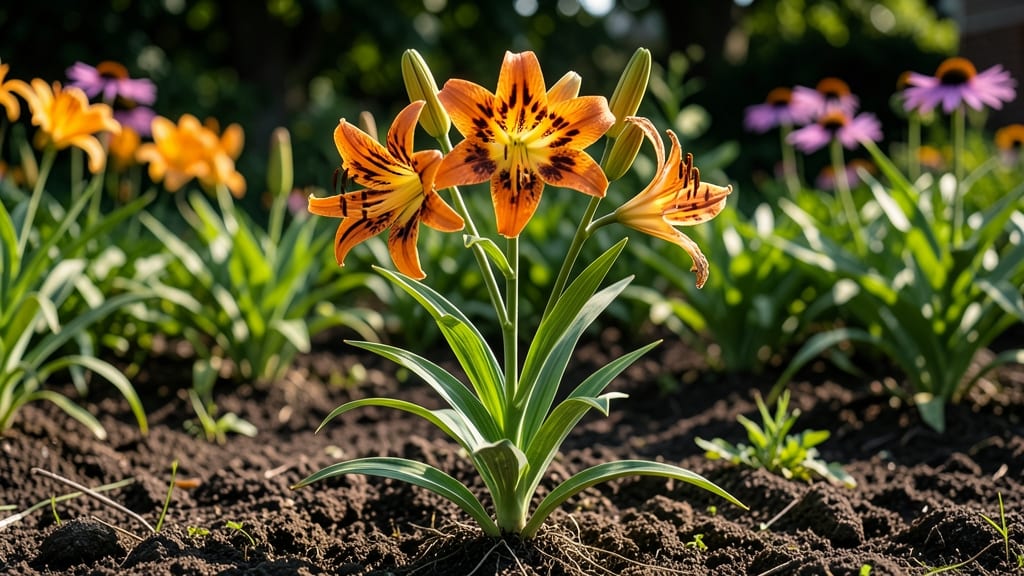
Tiger lilies don't bloom all summer—most varieties flower for just 4-6 weeks during late spring and early summer, with potential reblooming in warmer climates or when you remove spent blooms. Cooler weather or natural dormancy periods usually pause flowering until the following season.
Tiger lilies are seasonal powerhouses that deliver their most dramatic blooms in a concentrated window, typically May through June in most regions. 🌸 The exact timing depends on your climate zone and specific variety—some like 'Stella de Oro' bloom earlier, while others like 'Black Beauty' may wait until late June.
What's fascinating is how these plants time their energy: they focus all their resources on producing those bold, exotic-looking flowers rather than stretching them out all season.
This natural cycle explains why you might see tiger lilies in full bloom at garden centers, but they won't last once planted in your yard.
For gardeners hoping to extend the show, the key lies in proper care after the initial bloom. Regular deadheading (removing faded flowers) and consistent moisture can sometimes trigger a second round of blooms in late summer, especially in warmer southern climates.
I've seen this happen most reliably with 'Lemon Queen' varieties, which seem particularly responsive to these care techniques.
💡 In This Article
- Tiger Lily Blooming Seasons by Variety and Climate
- Extending Tiger Lily Blooms: Pruning and Care Tips
Tiger lily blooming seasons by variety and climate
Tiger lilies follow a strict seasonal rhythm tied to temperature and daylight, with most varieties syncing their blooms to late spring's warming trends. In USDA zones 3-5, where winters are harsh, these plants typically burst into flower around mid-May to early June, when soil temperatures reach 55-60°F consistently.
The blooming window lasts about 4-6 weeks, with 'Stella de Oro' often flowering first (late April in mild zones) while 'Black Beauty' varieties may wait until early July in cooler regions.
The key driver is photoperiodism—these plants respond to increasing daylight hours after winter dormancy. In zones 7-10, where winters are milder, blooming often starts 2-4 weeks earlier (March-April) and may extend into late July if conditions remain favorable.
What's fascinating is how temperature thresholds trigger different responses: below 50°F at night can delay blooming, while consistent 70-75°F daytime temps accelerate flower development. This explains why southern gardens sometimes see tiger lilies blooming in two distinct flushes—once in spring and again in late summer.
Variety plays a surprising role in timing. 'Lemon Queen' typically blooms 10-14 days earlier than standard orange tiger lilies due to its hybrid vigor, while 'Black Beauty' often requires longer daylight exposure (14+ hours) before flowering.
In my own zone 8 garden, I've observed 'Stella de Oro' produce 80-90% of its blooms in a 3-week window in early May, with only scattered reblooms in September.
This concentrated energy output explains why garden centers sell potted tiger lilies in full bloom—they're capitalizing on this natural timing window.
Climate also creates regional variations. In Pacific Northwest zones (6-7), where summers are cooler and wetter, tiger lilies often bloom 3-4 weeks later than in desert Southwest zones (9-10), where early spring warmth triggers earlier flowering.
The 1000-foot elevation rule applies here: for every 1000 feet increase in elevation, blooming typically occurs 1-2 weeks later. This geographical pattern helps explain why some gardeners in California see tiger lilies blooming in February, while those in New England might not see flowers until late June.
What most gardeners don't realize is how these plants conserve energy. After their initial bloom, tiger lilies shift resources to bulb development for next year's display. This is why you'll rarely see continuous blooming—it would deplete their energy reserves.
The exception occurs in tropical zones (10-11) where some hybrid varieties like 'Casa Blanca' may produce scattered blooms throughout summer, though these are typically smaller and less vibrant than spring flowers.
This energy conservation strategy explains why tiger lilies are such reliable perennials—they're not wasting resources on prolonged flowering when they need to store energy for winter survival.
For those hoping to extend the bloom period, understanding these natural cycles is crucial. The 30-day rule applies: if you remove spent blooms within 30 days of initial flowering, you may trigger a second (though smaller) bloom cycle in late summer.
However, this only works in zones where daytime temps stay above 65°F consistently. In cooler climates, any attempt at reblooming will likely fail as the plant prepares for dormancy.
This biological reality explains why professional growers often harvest tiger lilies at their peak bloom stage—they know the window is short and precious.