
How To
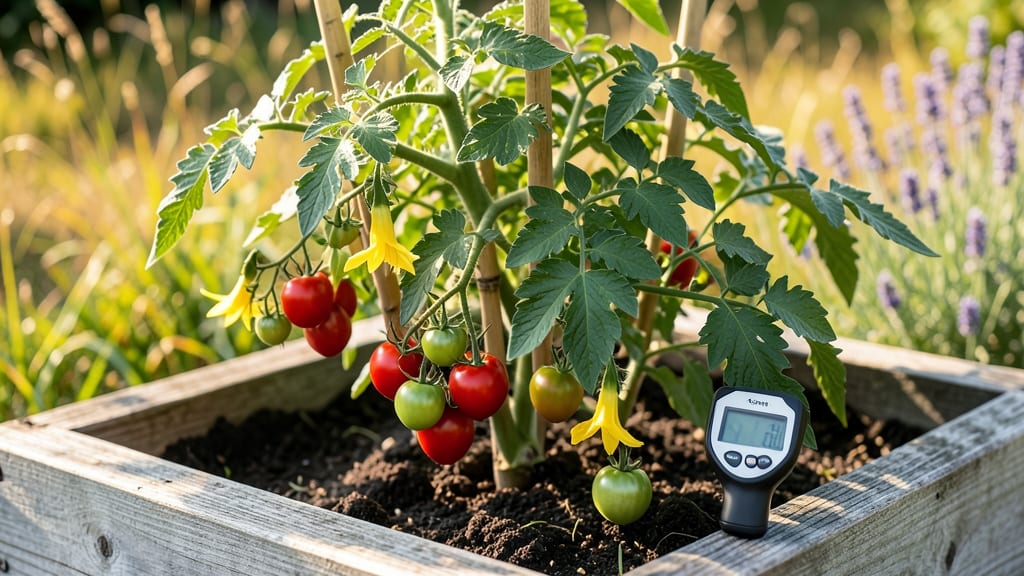
Tomatoes need shade only in extreme heat or intense sunlight, but most varieties crave 6–8 hours of direct sun daily for maximum fruit production.
If you’ve ever watched your 🍅 tomato plants wilt under a scorching afternoon or produce tiny, pale fruits, you’re not alone. Too much shade can stunt growth, while too much sun can scorch leaves and reduce yields—especially in USDA Zone 6a summers.
The key is balance: full sun for most of the day, with strategic shade during peak heat.
Most gardeners assume tomatoes thrive in endless sunlight, but the truth is more nuanced. While they love light, afternoon shade can prevent sunscald and improve fruit quality in hot climates. Here’s how to strike the perfect balance for a thriving harvest.
You’ll learn when to provide shade, how to use shade cloth or mulch effectively, and how to spot signs your plants are getting too much—or too little—sunlight. Let’s get your tomatoes growing strong and productive!
 Best Window Placement
How much sunlight do tomatoes actually need for optimal growth?
Tomatoes are sun-worshippers, but not all varieties crave the same amount of light. While most need 6 to 8 hours of direct sunlight daily, indeterminate types like 'Sungold' or 'Brandywine' can handle up to 10 hours if temperatures stay moderate.
Determinate varieties, such as 'Roma' or 'Celebrity', tend to thrive with the minimum 6 hours but produce best with 7 to 8 hours. Understanding these differences is key to maximizing your harvest.
Sunlight isn’t just about hours—it’s about intensity and consistency. Tomatoes need full sun, meaning no partial shade from trees or structures. Even 20% shade reduction can lead to leggy plants, fewer flowers, and poor fruit set.
If your garden gets less than 6 hours of direct sun, consider growing cherry tomatoes or using reflective mulch to boost light exposure.
Measuring sunlight in your garden is easier than you think. Use a sunlight tracker app or place a white board in your planting spot for a week. Mark the sunlit hours daily—this helps you determine if your tomatoes will get enough light.
South-facing gardens in the U.S. typically receive the most sunlight, while north-facing spots may need supplemental grow lights during cloudy seasons.
Seasonal adjustments are crucial, especially in hot climates. While tomatoes love sun, temperatures above 90°F (32°C) can stress plants, reducing fruit production. In such cases, partial afternoon shade (30-50%) can protect flowers and fruit from sunburn while still allowing morning sun for photosynthesis.
This balance is critical for varieties like 'Black Krim', which thrive in cooler climates but struggle in extreme heat.
Microclimates play a huge role in sunlight exposure. A spot near a building or fence might get only 4 hours of sun, while a raised bed in the same yard could receive 8.
Pay attention to wind patterns too—wind can reduce sunlight by creating shade. If your garden has uneven light, prioritize planting determinate tomatoes in shadier areas and save indeterminate types for sunnier spots.
Signs of insufficient light include pale yellow leaves, weak stems, and fewer flowers. If your plants look leggy (long stems with sparse leaves), they’re stretching toward light.
To fix this, prune suckers and move plants to a sunnier location. If relocating isn’t possible, consider container gardening and moving pots to follow the sun throughout the day.
🌱 Tomato Sunlight Summary
| Variety Type | Ideal Sunlight | Min. Sunlight | Best For |
|---|---|---|---|
| Determinate | 6–8 hours | 5–6 hours | Bush varieties, containers |
| Indeterminate | 8–10 hours | 6–7 hours | Trellises, long seasons |
| Cherry Tomatoes | 6–8 hours | 4–5 hours | Shadier spots, containers |
| Heirloom (e.g., 'Brandywine') | 8–10 hours | 7 hours | Full sun, cool climates |
💡 Pro Tip: Use a plant light meter ($20–$30) for precise readings.
Adjusting sunlight exposure doesn’t mean sacrificing yield. If your garden lacks natural light, try reflective surfaces like white gravel or aluminum foil under pots to bounce light onto leaves. For indoor growers, LED grow lights (12–16 hours daily) can mimic sunlight, though they won’t replace outdoor conditions entirely.
Even in low-light situations, pruning lower leaves helps redirect energy to fruit production.
Seasonal changes require flexibility. In spring, when days are shorter, focus on morning sun exposure to give plants a strong start. By summer, extend light with drip irrigation or shade cloth to prevent heat stress.
In fall, as daylight wanes, prioritize nutrient-rich soil to compensate for reduced photosynthesis. These tweaks ensure your tomatoes keep producing until the first frost.
Remember, quality over quantity matters more than hitting a strict sunlight target. A tomato plant getting 7 hours of strong morning sun and 1 hour of afternoon shade may outperform one baked by 10 hours of midday heat.
Pay attention to your plants’ leaf color, growth rate, and fruit development—they’ll tell you if they’re getting just the right amount of sun.
🌿
When and why tomatoes Do Need Shade: Heat Protection Strategies
While tomatoes crave full sun for maximum fruit production, there are critical moments when partial shade becomes essential. Extreme heat, high humidity, or drought stress can actually reduce yields or damage plants if left unchecked. Understanding these scenarios helps you protect your tomato plants without stunting their growth.
In regions with triple-digit temperatures, afternoon shade can prevent sunscald on fruit and conserve energy for root development. Even in moderate climates, young seedlings benefit from gradual sun exposure to avoid shock. The key is balancing protection with photosynthesis needs.
⚠️ WARNING: Common Shading Mistakes That Harm Tomatoes ⚠️
For hot climates, use 30-50% shade cloth during peak afternoon hours (12 PM–4 PM). In humid regions, focus on improving airflow rather than full shade. Mulching with reflective materials (like straw or aluminum foil) can reduce soil temperatures by up to 10°F.
Pruning strategically also helps—removing lower leaves improves airflow and reduces heat stress on the fruit-bearing zone. Avoid heavy pruning during heatwaves, as it increases vulnerability to sunburn. Instead, focus on gradual adjustments to maintain plant resilience.
Regional differences matter: Southern gardeners should prioritize afternoon shade, while Northern growers may only need protection during heatwaves. Always monitor your plants—wilting leaves or blossom drop signal it’s time to intervene with shade or water.
Proper shading isn’t just about heat—it’s about optimizing growth. By combining shade cloths, mulch, and smart pruning, you can protect your tomatoes while keeping them productive. Start with partial solutions and adjust based on plant responses.