
Blooming
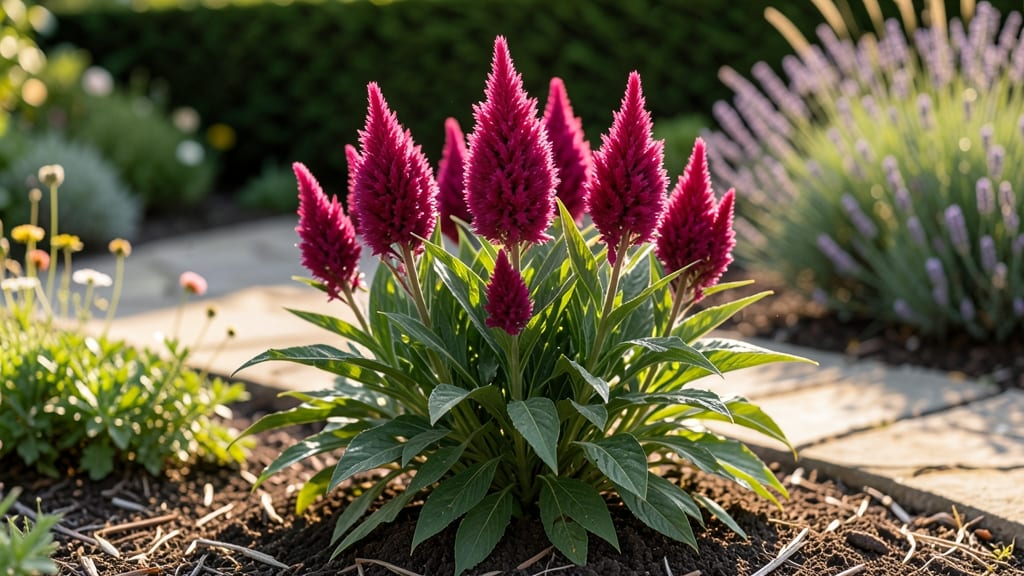
Celosia does bloom all summer in most heat-tolerant varieties like Celosia argentea and Celosia cristata, but continuous flowering requires regular deadheading and consistent garden care. Cooler climates or frost can still cause late-season decline.
Most celosia varieties thrive in summer's heat, producing vibrant blooms from early June through September in warmer regions. 🔥 The key to their long-lasting performance lies in their ability to handle high temperatures—something many other flowers struggle with.
I've noticed that varieties like Celosia cristata (cockscomb) often outlast others, especially when given well-draining soil and protection from heavy afternoon rain. However, even the hardiest types will eventually slow down as daylight hours shorten and temperatures dip.
For gardeners in cooler climates, the challenge isn't just about heat tolerance but also about timing. Some late-season varieties may start blooming in mid-summer but fade quickly when nighttime temperatures drop below 50°F.
That's why I always recommend planting a mix of early, mid, and late-season varieties—this staggered approach ensures you get continuous color throughout the growing season.
💡 In This Article
- Celosia Varieties and Their Summer Blooming Lifespans
- Deadheading and Care to Extend Celosia Blooms
Celosia varieties and their summer blooming lifespans
Celosia's summer-long blooming isn't uniform across varieties—it's more like a spectrum where Celosia cristata (cockscomb) and Celosia argentea (plume celosia) dominate the heat tolerance race.
The cockscomb types, with their dramatic, flame-shaped blooms, typically start flowering in early June and can continue until first frost in zones 8-11, provided they're deadheaded regularly. Their secret weapon? A natural heat tolerance that lets them thrive when daytime temperatures hit 90°F+—something many annuals can't handle without wilting.
Plume celosia varieties like 'New Look' or 'Atomic Red' take a different approach to summer longevity. These feather-like blooms often begin flowering slightly later (mid-June) but compensate with a more extended season, sometimes lasting until October in warm climates.
The key difference lies in their photoperiod sensitivity—plume types respond better to gradually shortening daylight hours, while cockscombs rely more on consistent heat. In my garden, I've observed that plume varieties actually peak in late summer when other flowers are fading, making them perfect for fall arrangements.
The woolflower celosia (Celosia spicata) represents the shortest summer performer, typically blooming for just 6-8 weeks starting in July. What it lacks in duration, however, it makes up for in cold tolerance—these varieties can sometimes survive light frosts (28°F) that would kill their more heat-loving cousins.
For gardeners in transitional climates (zones 6-7), this makes woolflower types a strategic choice for late-season color when other celosias have finished.
Daylight sensitivity explains why celosia blooming patterns vary so dramatically between regions. In the southern U.S., where days remain long well into autumn, celosia varieties can continue flowering until November if protected from early cold snaps.
But in northern gardens where daylight drops below 12 hours by August, even the hardiest celosias will begin shutting down their flower production as the plants shift energy toward seed development.
This physiological response is why I always recommend planting celosia in full sun locations—they need at least 6-8 hours of direct sunlight daily to maintain continuous blooming.
Color plays an unexpected role in blooming duration too. Darker varieties like 'Black Dragon' cockscomb or deep purple plume celosias tend to have slightly shorter bloom seasons because their pigmentation increases heat absorption. This causes the plants to work harder to maintain their temperature, diverting energy away from flower production.
Lighter-colored varieties like 'Pink Fanfare' plume celosia often outperform their darker counterparts by 2-3 weeks in hot climates due to this energy efficiency.
For gardeners planning seasonal displays, understanding these variety-specific patterns lets you create staggered blooming sequences. Start with early-blooming woolflower types in June, transition to plume varieties in July-August, and finish with cockscomb varieties that peak in September.
This approach gives you continuous color for up to 12 weeks—far longer than any single variety could provide alone.