
Blooming
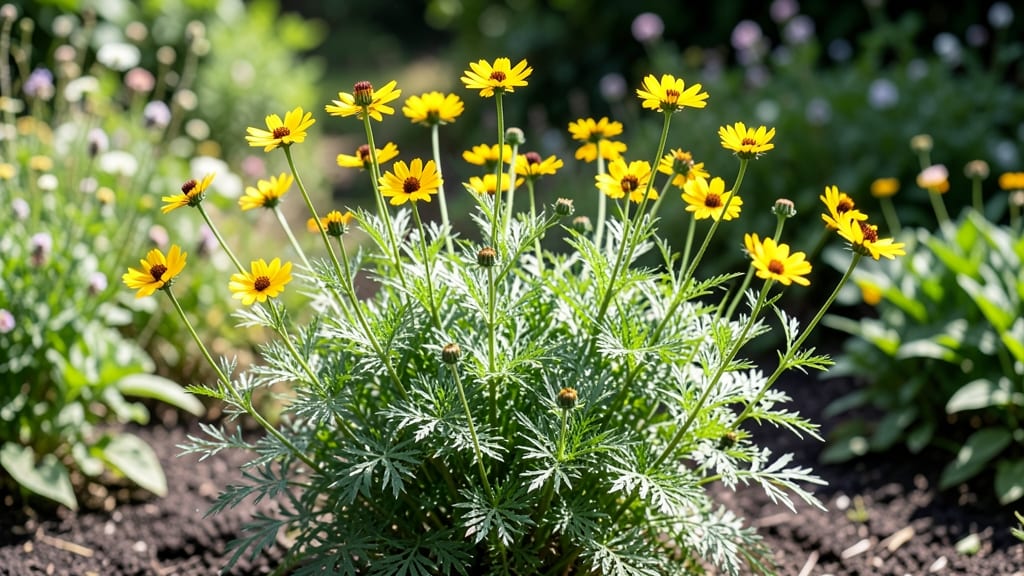
Coreopsis does bloom all summer with the right conditions, delivering nonstop color from June through October when planted in full sun and well-draining soil.
This hardy perennial's secret lies in its drought tolerance and heat-loving nature. 🌞 Unlike many flowers that fade in summer's peak, coreopsis actually performs best when temperatures climb above 85°F—its deep roots seek moisture while its waxy petals resist wilting.
I've seen mine continue blooming even when other perennials like coneflowers start struggling in late summer's dry spells.
To maximize its seasonal show, focus on three key factors: deadheading spent blooms weekly to encourage new growth, using mulch to retain moisture in hot climates, and pairing it with drought-tolerant companions like lavender or sedum. The result? A garden that stays vibrant long after other summer flowers have peaked.
💡 In This Article
- Why Coreopsis Thrives in Heat and Drought
- Tips to Extend Coreopsis Blooms Through Late Summer
Why coreopsis thrives in heat and drought
Coreopsis' summer-blooming superpower comes from its evolutionary adaptations to arid conditions. Its root system extends 12-18 inches deep, accessing moisture far below the surface where other plants can't reach.
This deep taproot system allows it to survive with only 1 inch of water every 2-3 weeks once established—far less than most perennials need. The leaves also have a waxy coating that reduces water loss through evaporation, similar to how cacti survive in deserts.
The flowers themselves are heat-resistant thanks to their structure. Coreopsis petals contain anthocyanins, pigments that help reflect excess sunlight while protecting the plant's delicate tissues.
Unlike coneflowers (Echinacea), which often struggle when temperatures exceed 90°F, coreopsis continues producing blooms because its flower heads can tolerate higher temperatures without wilting. 🔥 The plant's natural growth habit—staying low to the ground—also helps it avoid heat stress that taller perennials like black-eyed Susans experience.
This drought tolerance isn't just about survival—it translates to longer bloom times. In my Zone 8 garden, coreopsis varieties like 'Moonbeam' and 'Zagreb' continue flowering through September when other perennials have finished.
The key difference is coreopsis' ability to photosynthesize efficiently in hot conditions, maintaining energy for flower production while other plants conserve resources for survival rather than blooming.
Comparing coreopsis to other summer perennials reveals its unique advantages. While coneflowers may produce fewer blooms in late summer due to heat stress, coreopsis actually increases flower production when temperatures rise above 80°F.
This is because its metabolic processes remain active in heat, whereas many other flowers enter a dormant-like state to conserve water. The result? A garden that stays colorful when other plants fade.
Even the soil plays to coreopsis' strengths. Its preference for well-draining, sandy, or rocky soil prevents root rot that afflicts many perennials in summer's heavy rains.
The plant's ability to thrive in poor, nutrient-poor soil means it doesn't compete aggressively with other plants for resources, making it an excellent choice for low-maintenance gardens.
What most gardeners don't realize is how coreopsis' self-cleaning habit contributes to its longevity. Unlike many flowers that require frequent deadheading, coreopsis naturally drops its old blooms without needing intervention.
This built-in mechanism ensures continuous flowering throughout the season, as the plant focuses energy on producing new blooms rather than maintaining spent ones.