
Light Requirements
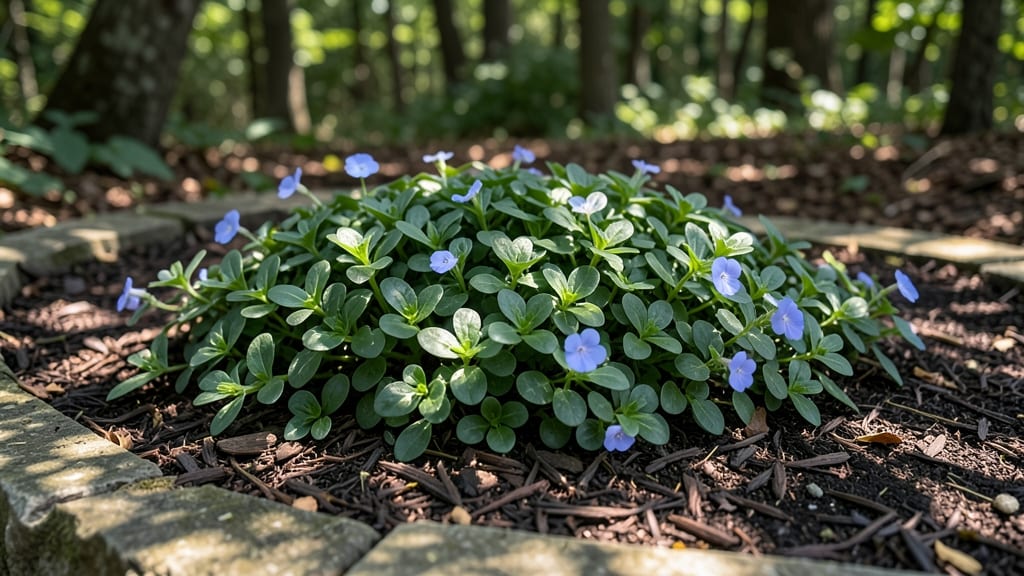
Periwinkle grows in shade better than most ground covers, making it the perfect choice for those tricky, dim corners of your garden where sunlight barely reaches.
Picture this: a lush, green carpet of glossy leaves and delicate blooms thriving under the canopy of trees or along a north-facing wall. That’s periwinkle in its natural shade-loving habitat, proving it’s one of the few plants that actually prefers less light.
But not all periwinkle varieties are created equal—some handle deep shade like pros, while others may struggle to put on their best show.
The key lies in choosing the right type, like Vinca minor or Vinca major, and giving it the right care to keep it flourishing where others fail.
In this guide, I’ll walk you through the best shade-tolerant varieties, how to prep the soil for maximum growth, and the simple tricks to keep your periwinkle looking vibrant year-round—even in the darkest spots of your garden.


Best periwinkle varieties that flourish in deep shade gardens
If you're searching for shade-loving plants that bring color to dark corners, periwinkle (Vinca) is an excellent choice. While it thrives in partial shade, some varieties excel even in deep shade gardens where other plants struggle.
The key lies in selecting the right cultivar and understanding their unique growth habits.
Not all periwinkle varieties perform equally in low-light conditions. Some varieties like Vinca minor are more adaptable, while others like Vinca major varieties may need slightly more light to produce abundant blooms. Let's explore the top shade-tolerant periwinkle varieties that will transform your dimmest garden spaces into vibrant displays.
Comparison Table: Periwinkle Varieties for Deep Shade
The Vinca minor varieties are generally the most shade-tolerant, making them perfect for deep shade gardens under trees or along north-facing walls.
For example, 'Illinois Apple' produces deep purple blooms even in areas receiving less than 2 hours of direct sunlight per day, while 'Striata' adds striking variegated foliage to dim spaces.
If you're working with partial shade (2-6 hours of sunlight), consider Vinca major varieties like 'Variegata' or 'Alba'. These larger varieties produce more abundant blooms when they receive some light, though they can still thrive in deeper shade with proper care.
The white blooms of 'Alba' create a stunning contrast against dark foliage, brightening even the shadiest corners.
For maximum blooms in shade, focus on soil quality and consistent moisture. Periwinkle varieties that tolerate deep shade often produce fewer blooms than their sun-loving counterparts, but their glossy foliage and compact growth habit make them valuable additions to any shaded garden.
Pair them with hostas or ferns for a lush, layered look.
When selecting periwinkle for shade, prioritize root health over flower quantity. Healthy roots ensure the plant can absorb nutrients efficiently in low-light conditions, leading to longer-lasting foliage and occasional blooms. Amend your soil with organic matter like compost to improve moisture retention and drainage, which is critical for shade-grown periwinkle.
One of my favorite shade-tolerant varieties is 'Illinois Apple' because it handles full shade better than most, producing vibrant purple blooms even in the darkest spots.
How to maximize periwinkle growth in low-light areas: soil, water, and care tips
Periwinkle (Vinca) isn’t just shade-tolerant—it thrives in low-light conditions when given the right care. The key lies in soil prep and consistent moisture, which mimic its natural woodland habitat.
Unlike sun-loving plants, periwinkle adapts to deep shade by growing lush foliage and compact blooms, making it perfect for under trees or north-facing beds.
To get started, focus on moisture-retentive soil and organic matter like compost. Periwinkle roots spread aggressively, so amend the soil with 2-3 inches of compost before planting. This ensures nutrients stay available even in dense shade, where sunlight can’t fuel photosynthesis as efficiently.
A light mulch layer (1-2 inches) also helps retain moisture and suppress weeds.
🌱 Essential Steps for Shade Success
- Soil Prep: Mix 50% compost into top 6 inches of soil for moisture retention and nutrients.
- Watering: Water deeply 2x/week in shade (morning only) to avoid fungal issues from damp leaves.
- Pruning: Trim spent blooms in early summer to encourage bushier growth and more flowers.
- Companion Plants: Pair with hostas or ferns to create a layered, low-maintenance shade garden.
Watering periwinkle in shade requires a gentler approach than sun-exposed plants. Since shade slows evaporation, overwatering is a common pitfall. Aim for 1-1.5 inches of water per week, delivered in morning sessions to prevent fungal spores from thriving on wet foliage.
Use a soaker hose or drip irrigation to target roots directly, avoiding leaf moisture.
Pruning isn’t just about aesthetics—it’s a growth hack for shade-grown periwinkle. After the first flush of blooms (usually spring), cut back 1/3 of the plant’s height to encourage denser foliage and more flowers.
This also prevents the plant from becoming leggy in low light. Use clean, sharp shears and sterilize them with rubbing alcohol between cuts to avoid spreading disease.
For extra shade resilience, plant periwinkle with companion plants that share similar needs. Hostas and bleeding hearts create a textured understory, while foamflower adds height without competing for light.
Avoid pairing with sun-loving plants like lavender, which will struggle in the same conditions. A 3-foot border of periwinkle around trees also prevents grass from invading.
With these adjustments, your periwinkle will reward you with year-round color and minimal effort. The secret? Treat it like a woodland plant—moist, shaded, and well-fed with organic matter. Before you know it, your shady spots will be the envy of the neighborhood! 🌿