
Blooming
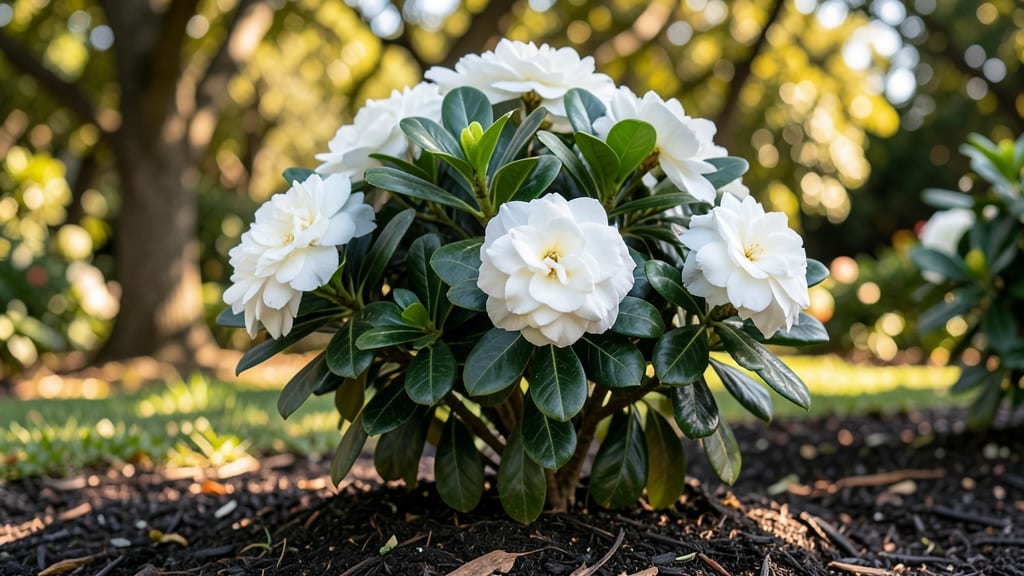
Double bloom gardenias transform your yard into a fragrant paradise with lush, layered flowers that last all season. 🌸 Unlike single-bloom varieties, these beauties pack two sets of petals per flower, creating a showstopping display that smells like a tropical vacation.
The secret to their abundant blooms lies in understanding their exact needs—light, soil, and timing—and avoiding common mistakes that rob them of their potential.
These finicky divas demand morning sun and afternoon shade, rich but well-draining soil, and consistent moisture without soggy roots. I learned the hard way that overwatering causes bud drop, while underwatering leads to sparse blooms—so aim for 1-1.5 inches of water weekly, adjusting for rain.
Prune right after flowering to encourage next year’s blooms, and fertilize every 6-8 weeks with acid-loving plant food to keep them thriving.
What you’ll get is a gardenia that flowers continuously from spring to fall, with blooms so dense they look like they were airbrushed. The fragrance? Intoxicating—like walking through a magnolia grove at dawn.
Even in hot summers, these plants stay lush and productive when given the right care, making them worth every bit of attention.
Perfect for warm climates (Zones 7-10) but adaptable with winter protection in colder areas. Here’s how to keep yours blooming like a pro—no green thumb required, just patience and the right techniques.
📚 In This Guide
- What you need
- Instructions
- Tips and common mistakes
- Wrapping up and next steps
What you need
- ● Double Bloom Gardenia Plant: A healthy, disease-free Gardenia jasminoides cultivar known for double blooms (e.g., 'Kleim’s Hardy' or 'Radicans'). 1 plant per pot (12-18" diameter).
- ● Well-Draining Potting Mix: A blend of peat moss, perlite, and pine bark (3:1:1 ratio) or a pre-mixed acidic gardenia soil (pH 5.0–6.5). 1 bag (1.5–2 cubic feet).
- ● Pot with Drainage Holes: Glazed ceramic or plastic pot (12–18" diameter) with drainage holes to prevent root rot.
- ● Organic Fertilizer: Acid-loving plant fertilizer (e.g., Miracle-Gro Azalea/Camellia or fish emulsion). 1 bottle (16 oz).
- ● Slow-Release Granules: Osmocote Smart-Release Plant Food (14-14-14). 1 small bag (5 lbs).
- ● Mulch: Pine needles or cypress mulch to retain moisture and acidity. 1 bag (2 cubic feet).
- ● Pruning Shears: Bypass pruners (sterilized with rubbing alcohol) for shaping and deadheading.
- ● Spray Bottle: For misting leaves (especially in low humidity).
- ○ pH Test Kit: To monitor soil acidity. Optional but helpful!
- ● Humidity Dome/Tray: For seedlings or dry climates. 1 small tray.
- ● Garden Gloves: To protect hands from thorns and acidic soil.
Step-by-step instructions for cultivating double bloom gardenias
Here's how I coax those lush, repeat-blooming gardenias into thriving with fewer wilting moments.
🌱 Step 1: Select and Prepare the Right Planting Site
Gardenias demand partial shade to morning sun—think dappled light under high-canopy trees or east-facing windows. I test spots by checking how long afternoon shade lasts; if it's less than 4 hours, the plant will struggle. The soil must drain like a sieve—amend heavy clay with 3-4 inches of coarse sand or orchid bark mix before planting.
Dig a hole twice as wide as the root ball but only as deep as the container it came in. Gardenias hate having their crown buried—this ensures roots stay aerated while the top stays dry. I always loosen the root ball slightly with my fingers before placing it in the hole, then backfill with native soil mixed with 1 part peat moss to improve moisture retention.
☀️ Step 2: Master the Watering Routine for Consistent Blooms
Water deeply every 2-3 days until the top 2 inches of soil feel damp—never soggy. Gardenias wilt dramatically when thirsty but bounce back if you catch it early. I use a rain gauge to track moisture; if it hasn't rained in 5 days, I water at the base with a slow-release hose attachment to avoid leaf burn from overhead watering.
Here's the thing—chlorine and fluoride in tap water turn leaves yellow. I either collect rainwater or let tap water sit 24 hours before using. Mulch with 3 inches of pine bark to lock in moisture and keep roots cool, but pull it back 2 inches from the trunk to prevent rot.
✂️ Step 3: Prune Strategically to Encourage Double Blooms
Prune right after flowering (spring) to shape the plant and stimulate new growth. I cut back 1/3 of the oldest stems to encourage younger, more vigorous branches that produce more blooms. Never prune in fall—this sends new growth that won't harden off before winter.
Remove only dead or crossing branches during the growing season. Gardenias bloom on new wood, so avoid heavy pruning in summer. I also deadhead spent blooms weekly—this redirects energy from seed production to more flowers. Use clean, sharp pruners and dip cuts in cinnamon powder to prevent fungal infection.
💧 Step 4: Feed and Protect for Year-Round Fragrance
Feed monthly from spring to fall with an acid-loving plant fertilizer (pH 5.0-6.0). I use a balanced 8-8-8 formula diluted to half-strength to avoid salt buildup. In winter, switch to a low-nitrogen, high-phosphorus blend to support dormant buds. Always water before fertilizing—this prevents root burn.
Protect from spider mites and scale with neem oil spray applied every 2 weeks during hot months. I check the undersides of leaves weekly—early intervention is key. Gardenias also need high humidity; I place the pot on a pebble tray with water or mist leaves daily in dry climates to mimic their native tropical environment.
⏰ Step 5: Winterize for Next Season's Blooms
Before the first frost, move potted gardenias to a cool but frost-free location (ideally 50-60°F). I wrap the pot in bubble wrap to protect roots from temperature swings. For in-ground plants, mulch with 6 inches of straw to insulate roots—this prevents heaving when soil freezes and thaws.
Reduce watering to every 10-14 days once growth slows in fall. Prune lightly to remove any dead or diseased branches, but avoid heavy cuts. I also rotate the pot every few weeks to ensure even light exposure—this keeps the plant balanced and ready to burst into bloom next spring.
Tips & tricks for cultivating double bloom gardenias
Took me years to figure out these secrets—here's how to transform wilting gardenias into fragrant, repeat-blooming powerhouses.
Light Exposure: Gardenias need that tricky balance of morning sun and afternoon shade. If you notice leaves burning or yellowing after just a few hours of direct afternoon sun, move the plant to a spot where it gets no more than 4 hours of direct sun daily. East-facing windows or filtered light under high-canopy trees work perfectly. I've seen gardenias in south-facing windows thrive when placed 3 feet back from the glass—this lets them enjoy morning warmth without afternoon heat stress.
Soil Science: The soil mix is where most gardenia failures begin. If your native soil drains poorly, create a raised bed or amend with 3-4 inches of coarse sand or orchid bark mix mixed into the top 12 inches of soil. I always test drainage by filling a container with the amended soil, adding water, and checking if it drains completely within 30 minutes. Waterlogged roots are the #1 cause of yellow leaves and poor blooming—don't skip this step!
Watering Wisdom: The 24-hour water sitting rule is non-negotiable for tap water users. Chlorine and fluoride build up in the soil over time, causing that dreaded yellowing. For an instant solution, I use a simple DIY water filter: fill a bucket with tap water, add 1 tablespoon of white vinegar (helps neutralize chlorine), and let it sit uncovered for 24 hours before watering. This mimics rainwater chemistry and prevents leaf discoloration.
Pruning Precision: When you're cutting back those 1/3 of oldest stems in Step 3, make clean cuts at a 45-degree angle just above a leaf node. I use a sterilized pruner (wipe with rubbing alcohol between cuts) to prevent spreading disease. The key is to cut just above where new growth buds form—this encourages the plant to put energy into flowering rather than leaf production. I always prune on a dry, sunny morning when the plant's defenses are strongest.
Pro Tips for Double Bloom Gardenia
- Took me years to figure out these secrets—here's how to transform wilting gardenias into fragrant, repeat-blooming powerhouses.
- Light Exposure: Gardenias need that tricky balance of morning sun and afternoon shade.
- Soil Science: The soil mix is where most gardenia failures begin.
Frequently asked questions
What’s the best time of year to plant a double bloom gardenia?
Plant your double bloom gardenia in early spring or late fall when temperatures are mild (60–75°F). Avoid extreme heat or frost, as gardenias are tropical and sensitive to cold. If you’re in a warmer climate, spring planting is ideal to give roots time to establish before summer.
Why aren’t my gardenia flowers doubling like the pictures?
Double blooms require proper care—especially pruning and nutrients. If blooms are single, check for:
- Over-pruning: Trim only after flowering (late spring/early summer) to encourage new growth.
- Low phosphorus: Use a balanced fertilizer (10-10-10 or 6-12-6) in early spring to boost blooms.
- Stress: Avoid sudden temperature drops or drought.
How often should I water my double bloom gardenia?
Gardenias love consistent moisture—water deeply 2–3 times per week (more in heatwaves). Let the top 1–2 inches of soil dry between waterings, but never let it bone-dry. Mulch (2–3 inches of organic material) helps retain humidity and protect roots.
Can I grow a double bloom gardenia in a pot? If so, what size?
Pot-growing is perfect for small spaces. Use a container at least 12–15 inches wide with drainage holes. Opt for acidic potting mix (pH 5.0–6.0) and repot every 2–3 years to refresh nutrients. Place in partial shade (morning sun, afternoon shade) for best results.
What should I do if my gardenia leaves turn yellow?
Yellow leaves usually signal overwatering, poor drainage, or nutrient deficiency. Try these fixes:
- Check drainage: Ensure pots have holes or soil isn’t compacted.
- Adjust watering: Let soil dry slightly between waterings.
- Fertilize: Use an iron supplement (like chelated iron) if yellowing is between veins.
- Test pH: Gardenias thrive in acidic soil (pH 5.0–6.0)—amend with sulfur if needed.
Are there any easy alternatives to double bloom gardenias?
If you love fragrant, low-maintenance bloomers, consider:
- Jasmines (e.g., Jasminum polyanthum): Hardy, fragrant, and thrive in partial shade.
- Gardenia ‘Kleim’s Hardy’: More cold-resistant, though blooms may be single.
- Camellias: Evergreen with stunning flowers; prefer acidic soil like gardenias.
Wrapping up and next steps
Growing a double bloom gardenia is a rewarding journey that fills your space with intoxicating fragrance and stunning beauty—all with surprisingly little effort! 🌸 With the right soil, light, and care, you’ll enjoy year-round blooms that turn heads (and noses) in the best way.
Whether you’re a seasoned gardener or a beginner, these fragrant flowers are your ticket to a lush, low-maintenance oasis.
Ready to take the next step? Start with a healthy plant, follow the care tips you’ve learned, and soon, your garden—or home—will be a symphony of sweet perfume. Happy growing! 🌿✨