
Blooming
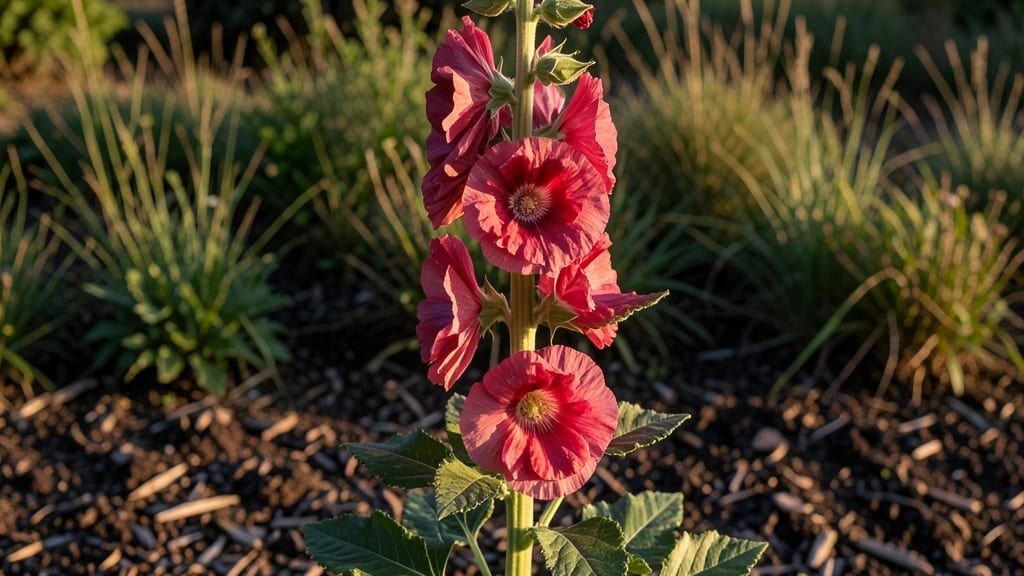
Double bloom hollyhocks turn my garden into a vertical watercolor painting every summer. 🌸 The secret to their second flush of flowers isn't magic—it's timing, pruning, and feeding at the right moments.
Most gardeners give up after the first showy display, but with these techniques, you'll get two waves of blooms instead of one.
Start with well-draining soil rich in organic matter and full sun—at least 6 hours daily. These plants drink deeply, so mulch heavily to retain moisture and keep roots cool. The key to double blooms?
Cut back the first flush of spent flowers by ⅓ of their height right after they fade, then feed with a balanced fertilizer. I've seen hollyhocks rebloom within 6-8 weeks when done correctly.
You'll end up with towering stems packed with blooms from June through September, and the fragrance lingers in the evening air. The second flush often outshines the first—my 'Chater's Double' variety produces rosy-pink blooms that last for weeks.
Just watch for hollyhock rust and remove affected leaves immediately to keep plants healthy.
Works for both cottage gardens and small spaces—just stake them early to prevent flopping. The payoff? A garden that stays vibrant when most annuals have faded. Let's get those reblooming!
📚 In This Guide
- What you need
- Instructions
- Tips and common mistakes
- Wrapping up and next steps
What you need
- ● Double Bloom Hollyhock Seeds or Plants: Choose certified organic seeds (e.g., Alcea rosea varieties like 'Peach Blush' or 'Black Prince').
- ● Quantity: 10–20 seeds for a small patch; scale up for larger gardens.
- ● Well-Draining Soil: Mix 1 part garden soil with 1 part compost (add perlite or sand if soil is clay-heavy).
- ● pH: Aim for 6.0–7.5 (test with a soil kit if unsure).
- ● Sunlight: Full sun (6+ hours/day); partial shade (4–6 hours) works in hot climates.
- ● Watering Can or Hose: With a gentle spray nozzle to avoid damaging stems.
- ● Fertilizer: Balanced 10-10-10 or 5-10-10 (low nitrogen to prevent leafy growth).
- ● Apply every 4–6 weeks during growing season.
- ● Stakes or Trellis: 4–6 ft tall (hollyhocks can grow 5–7 ft!). Use 3–4 stakes per plant for support.
- ● Pruning Shears: Sharp, bypass-style (sterilize with rubbing alcohol between cuts).
- ● Mulch: 2–3 inches of straw or shredded bark to retain moisture and deter weeds.
- ● Slow-Release Granules: Osmocote or similar for 3–4 month nutrient release.
- ● Disease Prevention: Copper fungicide (for powdery mildew-prone areas) or neem oil spray.
- ● Deadheading Tools: Small scissors or your fingers (gloves recommended!).
- ● Garden Journal: To track blooming cycles and adjustments for next year!
How to encourage double blooming in hollyhocks
Here's the method I've used for years to turn one-season wonders into continuous bloomers.
🌱 Step 1: Select the Right Varieties for Reblooming
Not all hollyhocks rebloom naturally—choose hybrid varieties specifically bred for this trait. Look for labels like 'Black Prince', 'Peach Blush', or 'Lady Alice'. These cultivars have been developed to produce multiple flushes of blooms in a single season. I always check the seed packet or plant tag for the term "reblooming" or "continuous bloom" before purchasing.
If you're starting from seed, plant at least 4 plants to ensure you get the right genetic traits. Hollyhocks are biennials, so first-year plants focus on root development, while second-year plants produce flowers. For immediate results, buy established plants labeled as reblooming varieties from a reputable nursery.
☀️ Step 2: Provide Optimal Growing Conditions
Hollyhocks thrive in full sun (at least 6-8 hours daily) and well-draining soil with a pH of 6.0-7.0. I always amend my garden soil with 2-3 inches of compost before planting to ensure good drainage and fertility. Poor soil conditions stress plants and reduce flowering.
Water deeply once a week during dry spells, keeping the soil consistently moist but not soggy. Overwatering can lead to root rot, while underwatering causes buds to drop. You'll know your watering is right when the top 2 inches of soil feel damp but not wet. Mulch around the base with 2-3 inches of organic mulch to retain moisture and regulate soil temperature.
✂️ Step 3: Deadhead and Prune for Continuous Blooms
Deadheading is the key to encouraging reblooming. As soon as a flower fades, I pinch it off just above the next set of buds. This redirects the plant's energy from seed production to creating new blooms. Use clean, sharp pruners to avoid damaging stems—hollyhocks are sensitive to rough handling.
After the first flush of blooms, cut back any spent stems by one-third to encourage bushier growth. This pruning stimulates lateral branching, which produces more flower buds. I always do this in early summer when the first blooms begin to fade. Avoid heavy pruning in late summer, as this can prevent fall blooms.
💧 Step 4: Fertilize Strategically for Extended Blooming
Feed hollyhocks with a balanced, slow-release fertilizer (10-10-10) at planting time, then again in early summer when new growth appears. I use about 1 tablespoon per plant, working it into the top 2 inches of soil. Too much fertilizer encourages leafy growth at the expense of flowers, so avoid heavy applications.
For a mid-season boost, switch to a low-nitrogen, high-phosphorus fertilizer (5-10-5) to promote flowering. Apply this in early July when you notice the first signs of bud formation. Water thoroughly after fertilizing to prevent root burn. Hollyhocks are heavy feeders, but consistency matters more than quantity.
⏰ Step 5: Prepare for Winter and Next Season
In fall, cut back all stems to 2-3 inches above the ground to remove potential disease harborers and encourage fresh growth in spring. I always do this after the first frost when the plant is dormant. Mulch heavily with 4-6 inches of straw or leaves to protect roots from freezing temperatures.
In early spring, remove the mulch and add a layer of compost around the base. This jumpstarts growth and ensures your hollyhocks have the nutrients they need for another season of blooming. Resist the urge to prune again until new shoots appear—this gives the plant time to recover from winter.
Tips & tricks for encouraging hollyhock reblooming
These insider strategies will help you coax those second flushes of color from your hollyhocks—no matter what stage they're in.
Variety Verification: Don't assume all hollyhocks rebloom! Cross-reference your plant's label with known reblooming cultivars like 'Black Prince' or 'Peach Blush'. I've learned the hard way that even similar-looking plants may have different blooming patterns. If you're unsure, check seed packets for terms like "continuous bloom" or "repeat flowering"—this guarantees the genetic potential for multiple flushes. For maximum success, plant at least 4 different varieties to create a staggered bloom display throughout the season.
Pruning Precision: When you cut back spent stems by one-third in early summer, focus on removing only the oldest, most woody growth. The goal is to stimulate new lateral shoots from the lower stem nodes. I use clean, sharp pruners and make cuts just above a leaf node at a 45-degree angle to prevent water from pooling. This technique creates a bushier plant with more flower buds, but timing is critical—avoid heavy pruning after early July or you risk losing fall blooms entirely. The key is balance: enough to encourage growth, but not so much that you stress the plant.
Fertilizer Timing: The two fertilizer applications in this method—10-10-10 at planting and 5-10-5 in early July—are non-negotiable for reblooming. However, I've found that applying the second fertilizer too late (after mid-July) can actually reduce fall blooms. For best results, monitor your plants closely and apply the 5-10-5 as soon as you see new buds forming but before they open. This phosphorus boost signals the plant to focus on flower production rather than leaf growth. Remember to water thoroughly after fertilizing to prevent root burn, which can set back your blooming schedule.
Seasonal Transition Strategy: The winter preparation steps are where many gardeners go wrong. Don't skip the fall stem cutting back to 2-3 inches—this removes potential disease vectors and encourages fresh spring growth. I've seen hollyhocks that were heavily mulched with 4-6 inches of straw actually bloom earlier in spring because the roots stayed warmer. In early spring, resist the urge to prune again until you see new shoots emerge. This patience pays off with stronger stems and more abundant blooms throughout the season.
Pro Tips for Double Bloom Hollyhocks
- These insider strategies will help you coax those second flushes of color from your hollyhocks—no matter what stage t...
- Variety Verification: Don't assume all hollyhocks rebloom! Cross-reference your plant's label with known reblooming c...
- Pruning Precision: When you cut back spent stems by one-third in early summer, focus on removing only the oldest, mos...
Frequently asked questions
about double bloom hollyhocks—because every gardener deserves a little extra help for that nonstop floral magic!Why aren’t my double bloom hollyhocks reblooming like they did last year?
Reblooming can be finicky! Overcrowded plants, poor nutrition (like low phosphorus), or excessive pruning too late in the season may stunt second blooms. Try feeding with a balanced bloom booster mid-season and deadhead spent flowers regularly—but not after early fall. Also, check for pests like Japanese beetles, which love hollyhocks!
How long does it take for double bloom hollyhocks to rebloom after pruning?
Patience is key! With proper care, you’ll often see new buds in 4–6 weeks after a mid-summer pruning. Early bloomers (pruned in June) may rebloom faster, while late prunings (July/August) might take longer. Keep soil moist and fertilize lightly to encourage fresh growth. Pro tip: Avoid pruning after mid-August—it can stunt winter hardiness!
Can I grow double bloom hollyhocks in containers? Yes—but with caveats!
Just choose a large, deep container (18"+ diameter) with drainage holes and well-draining soil. Dwarf varieties like ‘Peach Blossom’ or ‘Chiffon’ thrive in pots. Watch for:
- Root-bound stress (repot every 2–3 years).
- Less vigorous reblooming (containers dry out faster, so water deeply).
- Staking needs (tall varieties may flop without support).
What’s the best way to prevent hollyhock rust (those ugly orange spots)?
Rust is the #1 hollyhock villain! Prevent it with:
- Spacing plants 18–24" apart for airflow.
- Watering at the base (avoid overhead sprinklers).
- Removing infected leaves immediately (don’t compost them!).
- Applying copper fungicide preventatively in spring/fall.
Are there double bloom hollyhock alternatives for shorter seasons (Zone 4 or colder)?
If your zone’s short growing season cuts reblooming short, try these hardy, long-flowering alternatives:
Plant
Why It Works
Alcea rosea ‘Majorette’
Disease-resistant, blooms from early summer to frost.
Malope trifida (Dwarf Hollyhock)
Compact, heat-tolerant, and reblooms with minimal care.
Digitalis (Foxglove)
Biennial with striking spikes; self-seeds easily for repeat shows.
Wrapping up and next steps
Double bloom hollyhocks are a gardener’s dream—packed with vibrant color and effortless charm when you unlock their reblooming potential! 🌸 With the right care, deadheading, and seasonal prep, you’ll enjoy season-long blooms that turn heads.
Whether you’re a beginner or a seasoned green thumb, these secrets make it simple to transform your garden into a blooming paradise.
Ready to dive in? Start by snipping those spent blooms and giving your hollyhocks the love they deserve—your garden (and pollinators!) will thank you. Happy gardening! 🌿