
Blooming
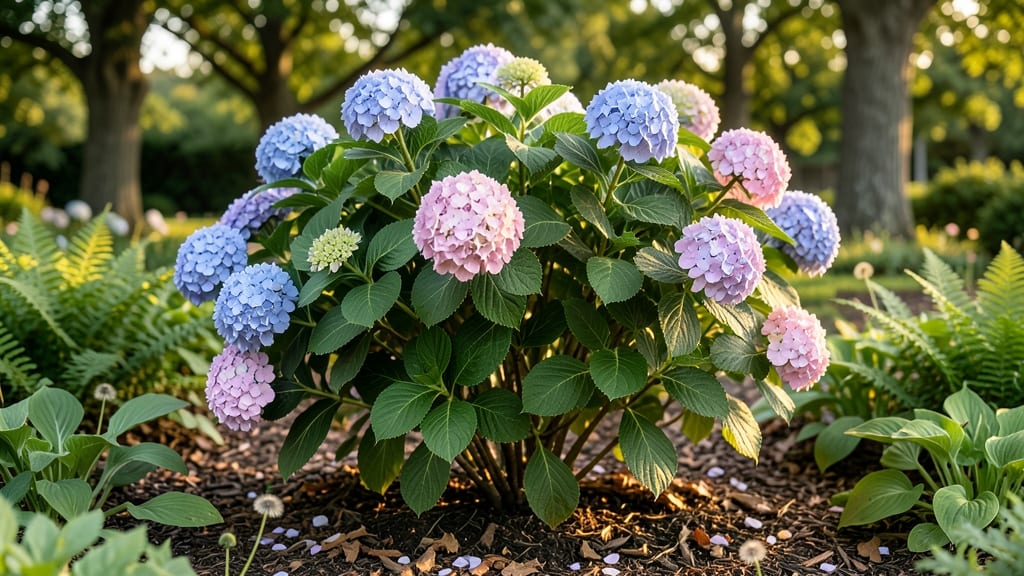
Endless bloom hydrangeas promise six months of color—if you prune them right. ✂️ My first year with these plants, I nearly chopped off all the blooms because I didn’t know the difference between old wood and new.
Now my bushes explode with flowers from early summer through frost, and the secret is timing your cuts to encourage fresh growth. The magic happens in late winter or early spring before new shoots appear.
Cut back 1/3 of the oldest stems to the first set of buds, and leave the rest for next year’s blooms. This might sound scary, but think of it like giving your plant a haircut—you’re shaping it to focus energy on new growth, not last year’s mistakes.
By midsummer, you’ll see dense clusters of blooms where there were bare stems before. The flowers stay vibrant longer, too, because the plant isn’t struggling to produce both leaves and blooms at once. Just avoid heavy pruning after mid-summer, or you’ll lose next year’s flowers.
Works for mophead, lacecap, or panicle types—just adjust the timing slightly for your climate. Let’s get those shears sharp and turn your hydrangeas into the showstopper of the season.
📚 In This Guide
- What you need
- Instructions
- Tips and common mistakes
- Wrapping up and next steps
What you need
- ● Pruning shears: Sharp, bypass-style shears (for clean cuts) or loppers (for thicker stems). Size: 6–8 inches for most tasks.
- ● Hand pruners: Compact, ergonomic pair for precision cuts on smaller stems.
- ● Gloves: Heavy-duty gardening gloves (to protect against thorns and sap). Material: Nitrile-coated for durability.
- ● Disinfectant: 70% isopropyl alcohol or a 10% bleach solution (1 part bleach to 9 parts water) to sterilize tools between cuts.
- ● Rag or paper towels: For wiping down tools before and after use.
- ○ Garden twine or ties: (Optional) To secure supports if your hydrangea needs staking.
- ● Know your hydrangea’s age: Endless Bloom varieties can be pruned any time of year, but young plants (under 3 years old) benefit from lighter pruning.
- ● Weather check: Prune on a dry, overcast day or in early morning to reduce stress on the plant.
- ○ Safety gear: Safety glasses (optional but recommended if your hydrangea is near power lines or has sharp thorns).
- ● Cleanup supplies: A bucket or trash bag for collecting pruned stems (compost or dispose of them).
- ● 🔥 Sharpen your tools: Dull blades crush stems, inviting disease. Hone shears with a file or sharpening stone before starting.
- ● ✨ Mark your cuts: Use a whiteboard marker to label stems you plan to prune—great for visual learners!
- ● 🌡️ Hydrate post-prune: Water your hydrangea deeply after pruning to help it recover faster.
Step-by-Step guide to pruning Endless Bloom hydrangeas
Here’s the no-fuss method I’ve used for five seasons to keep my hydrangeas flowering nonstop.
✂️ Step 1: Time Your Pruning for Maximum Blooms
Prune your Endless Bloom hydrangeas in late winter or early spring, just as new growth begins. This timing ensures you cut back old wood while leaving next year’s flower buds intact. I wait until the first signs of green appear—those tiny leaf buds tell me it’s go time.
If you miss the window, don’t panic. You can also prune in summer after flowering, but you’ll sacrifice some blooms that season. The key is to never prune in fall or winter—you’ll cut off next year’s flowers before they form.
✂️ Step 2: Cut Back to the Strongest Buds
Use sharp pruning shears to cut just above the first set of healthy buds on each stem. These buds are usually 1-2 inches from the base and look plump and firm. Avoid cutting into old, woody stems—they won’t produce new growth.
I like to make clean cuts at a 45-degree angle about ¼ inch above the bud. This prevents water from pooling on the cut and keeps the plant healthy. If a stem is completely dead or diseased, remove it entirely at the base.
☀️ Step 3: Shape for Airflow and Sunlight
Step back and assess the plant’s structure. You want to create an open center that lets sunlight and air reach all parts of the bush. Remove any crossing or rubbing branches first—they compete for nutrients and create entry points for pests.
Thin out the center by cutting back one-third of the oldest stems to the ground. This encourages new growth from the base and keeps the plant compact. Endless Bloomers are forgiving, so don’t stress about perfection—just aim for a balanced shape.
💧 Step 4: Water and Fertilize After Pruning
Give your hydrangea a deep watering right after pruning to help it recover. The roots will need extra moisture as new growth kicks in. I water until 6 inches of soil feels damp—check by sticking your finger in the ground.
Apply a balanced fertilizer (10-10-10) in early spring to support new growth. Avoid high-nitrogen fertilizers—they promote leafy growth at the expense of flowers. I use about ½ cup per plant and water it in thoroughly to prevent root burn.
⏰ Step 5: Monitor and Deadhead Throughout the Season
Once flowers appear, keep an eye out for spent blooms. Pinch or cut them off just above a set of leaves to encourage more flowers. This is called deadheading, and it’s the secret to that endless bloom promise.
I deadhead every 2-3 weeks during the growing season. The plant will reward you with fresh blooms in just 4-6 weeks. If you notice leaves yellowing or wilting, it’s usually a sign of overwatering—let the soil dry out slightly between waterings.
Tips & tricks for perfect Endless Bloom hydrangea pruning
Took me a while to figure these out, so here’s how I keep my Endless Bloom hydrangeas thriving year after year.
Bud Identification: In Step 2, those first buds are your golden ticket. Look for plump, firm buds that feel slightly resistant when you gently squeeze them—these are the ones that will produce next year’s flowers. If you accidentally cut into a woody stem instead, don’t stress, just move on to the next healthy bud. I’ve ruined a few stems this way, but the plant forgives easily!
Tool Technique: Your pruning shears are more important than you think. Always use sharp, clean tools—dull blades crush stems instead of making clean cuts. I like to wipe my shears with rubbing alcohol between cuts to prevent spreading disease. And remember that 45-degree angle? It’s not just for looks—it helps water run off the cut instead of pooling and rotting the stem.
Seasonal Timing: The late winter/early spring window in Step 1 is critical because it aligns with when new growth begins. If you’re unsure about timing, here’s my trick: Check for those tiny green buds at the base of stems. Once they appear, it’s go time! For summer pruning (after flowering), wait until at least 6 weeks after your last frost date to avoid damaging new buds forming for next year.
Aftercare Essentials: In Step 4, that deep watering is non-negotiable. After pruning, the plant is vulnerable, and roots need extra moisture to recover. I’ve learned the hard way—skipping this step leads to wilting leaves. Also, when fertilizing, spread that ½ cup evenly around the base rather than piling it in one spot. Think of it like snow—spread it out for best results!
Pro Tips for Endless Bloom Hydrangea
- Took me a while to figure these out, so here’s how I keep my Endless Bloom hydrangeas thriving year after year.
- Bud Identification: In Step 2, those first buds are your golden ticket.
- Tool Technique: Your pruning shears are more important than you think.
Frequently asked questions
How do I know when to prune my Endless Bloom Hydrangea?
Prune Endless Bloom hydrangeas in late winter or early spring (before new growth starts) or right after flowering (summer/fall). Avoid pruning in fall—it can stimulate tender growth that may frost-damage. Pro tip: If you missed the window, a light trim in summer won’t harm blooms!
Can I prune too much? What if I cut back too far?
Yes! Over-pruning can reduce next year’s blooms. Never remove more than 1/3 of the plant in one season. Endless Bloom hydrangeas are forgiving, but avoid "rejuvenation pruning" (cutting back to the ground)—this type blooms on new wood, so drastic cuts may delay or shrink flowers. Trim dead stems first, then shape lightly.
Why aren’t my hydrangea blooms changing color like they should?
Color shifts (e.g., pink to blue) depend on soil pH. For blue blooms, add aluminum sulfate (lower pH). For pink, use lime (raise pH). Test soil in early spring—most Endless Bloom varieties lean toward pink unless amended. Bonus: Hydrangeas need consistent moisture; drought stress can dull colors!
Do Endless Bloom Hydrangeas need winter protection?
These hardy plants (USDA Zones 3–9) usually survive winter without extra care. However, in Zone 3 or colder, mulch the base with 3–4 inches of shredded bark or leaves after the ground freezes. Skip mulching in fall—it can trap moisture and rot stems. Young plants benefit most from winter wraps if temps drop below 0°F.
What’s a good alternative if I don’t want to prune much?
If pruning feels overwhelming, try ‘Little Lime’ or ‘Vanille Fraise’ Endless Bloom hydrangeas—they’re compact (2–3 ft tall) and bloom profusely with minimal trimming. For zero-maintenance, consider ‘Limelight’ or ‘Blushing Bride’, which thrive with just deadhead pruning (removing spent blooms). Pro tip: Plant near a fence or trellis to hide leggy growth!
Are Endless Bloom Hydrangeas deer-resistant?
Not quite! While not a top deer snack, they’re occasionally browsed if other food is scarce. Protect young plants with mesh cages or repellents. Mature bushes are less appealing. Bonus defense: Plant with deer-resistant companions like boxwood, lavender, or Russian sage to deter visitors.
Wrapping up and next steps
Transforming your Endless Bloom Hydrangea into a year-round burst of color is easier than you think! With the right pruning techniques—like deadheading spent blooms, shaping for airflow, and timing cuts to seasonal growth—you’ll unlock continuous, lush flowers that keep your garden vibrant.
Remember, patience and consistency are key, but the reward? A stunning, low-maintenance shrub that thrives with minimal effort.
Ready to take the next step? Grab your pruners, pick a sunny day, and give your hydrangea the love it deserves. Watch it bloom endlessly—and enjoy the compliments! 🌸