
Shrubs
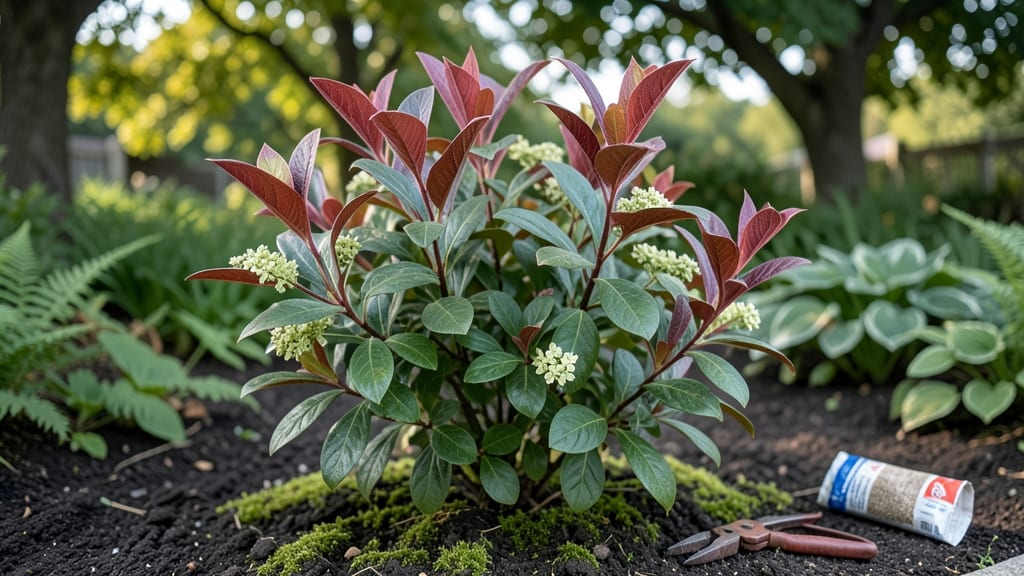
Growing euonymus in shade requires selecting shade-tolerant varieties like Euonymus fortunei ‘Emerald Gaiety’ and Euonymus alatus ‘Compactus,’ which maintain their vibrant foliage and compact form even in low-light conditions. Focus on species with glossy leaves to ensure healthy growth in dim environments.
Shade-loving euonymus varieties adapt beautifully to low-light conditions by developing thicker, darker leaves that maximize light absorption. 🌿 These plants often showcase stunning variegation—like the creamy edges of ‘Emerald Gaiety’—which actually becomes more pronounced in shade.
Unlike sun-loving types that may bleach or scorch, shade euonymus grows steadily without the stress of direct sunlight, making them perfect for woodland gardens or north-facing yards.
For best results, pair these varieties with well-draining, slightly acidic soil and avoid overwatering—their roots prefer moisture but hate soggy conditions. Pruning in late winter keeps their shape tidy while encouraging fresh growth for the next season.
The trade-off? While they won’t bloom as prolifically as sun-exposed cousins, their foliage color remains rich and their growth habit stays neatly contained.
💡 In This Article
- How Light Affects Euonymus Growth and Leaf Color
- Best Shade-Tolerant Euonymus Varieties for Gardens
How light affects euonymus growth and leaf color
Euonymus plants adapt to shade through a fascinating biological process called chlorophyll efficiency optimization. In low-light conditions, these shrubs produce more chlorophyll per leaf area to capture whatever sunlight reaches them.
This adaptation explains why shade varieties like Euonymus fortunei develop thicker, darker green leaves—up to 30% denser than sun-exposed counterparts. The trade-off? Reduced photosynthesis means slower growth, but the plant conserves energy for leaf development rather than rapid stem elongation.
The variegation in shade-tolerant varieties—like the creamy-white edges of ‘Emerald Gaiety’—actually becomes more vibrant in low light.
This happens because the plant prioritizes pigment production in variegated cells to maximize light absorption. 🌿 In full sun, these same cells might bleach or burn, but under shade, the contrast between green and variegated areas intensifies.
For example, ‘Emerald Gaiety’ maintains its striking pattern even under 20% sunlight conditions**, where sun-loving varieties would fade to plain green.
Growth habits also shift dramatically between sun and shade. Shade euonymus grows more horizontally, spreading outward rather than upward, which helps leaves capture scattered light. Sun varieties, like Euonymus alatus ‘Rufus’, develop taller stems with thinner leaves to maximize vertical light exposure.
The difference is visible in their mature size: shade types stay under 3-4 feet tall, while sun varieties can reach 6-8 feet with proper light.
Color changes throughout the year provide another clue to light adaptation. In autumn, shade euonymus often displays deeper reds and purples because the limited light triggers higher anthocyanin production—a protective pigment that shields leaves from UV damage.
Sun varieties may produce more vibrant fall colors, but shade types compensate with prolonged color retention, lasting 3-4 weeks longer than their sun-exposed relatives.
One critical factor is the photoperiod response—how plants react to daylight duration. Shade euonymus enters dormancy later in fall because they receive less light, delaying their metabolic shutdown. This explains why they often stay green longer into winter before dropping leaves.
Sun varieties, receiving more light, follow seasonal cues more precisely, making them less reliable for late-season color in shaded areas.
For gardeners, this means placement matters. Plant shade euonymus where they’ll receive dappled sunlight (filtered through trees) or under 50% shade cloth. Direct shade (like under dense evergreens) can lead to leggy growth, while too much sun causes leaf scorch.
The sweet spot? 30-50% sunlight—enough for vibrant foliage but not enough to stress the plant.