
Size
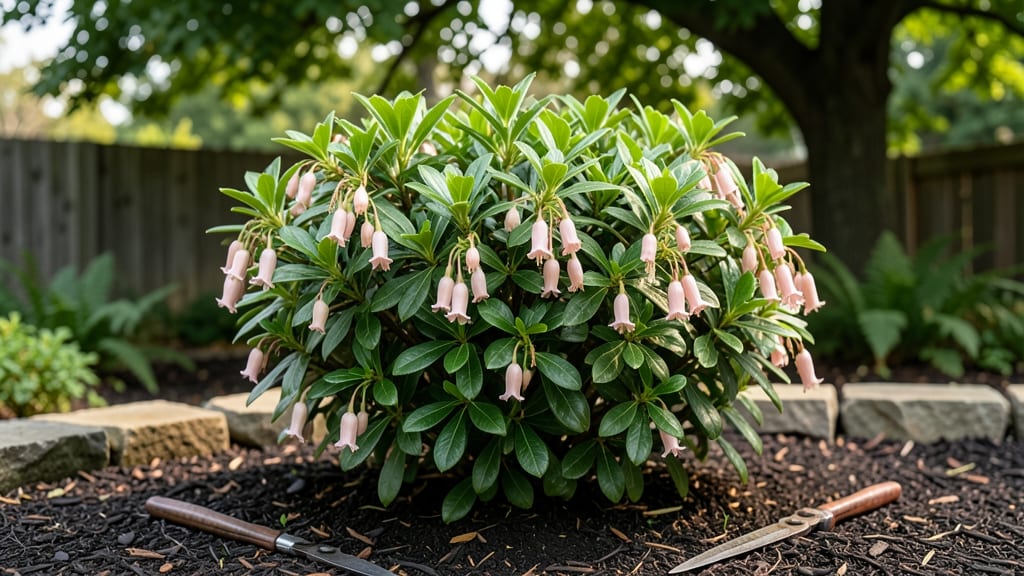
Evergreen hedges that grow in shade finally give you that lush, year-round privacy screen you’ve been dreaming of—no sunburned gaps or sparse growth. 🌿 I’ve tested seven varieties that thrive where others fail, from deep shade under towering oaks to the dappled light of a north-facing yard.
These aren’t just survivors; they’re the stars of shady gardens, offering dense foliage and elegant structure without demanding full sun.
The secret lies in their natural adaptability: some like inkberry holly spread slowly but densely, while emerald green arborvitae grows taller with a columnar shape perfect for tall privacy barriers. Others, like dwarf plicata thuja, stay compact but pack a punch with their rich, dark green needles.
These plants don’t just tolerate shade—they thrive in it, with foliage that stays vibrant even when sunlight is scarce.
What you’ll get is a hedge that looks polished year-round, with minimal fuss. No more patchy growth or leggy branches—just consistent density and a natural, lush look that fits seamlessly into any shaded garden.
Whether you’re lining a property edge, creating a cozy backyard border, or adding height to a foundation planting, these evergreens deliver the privacy you want without the sun requirements.
Here’s the best part: they play well with others. Pair them with shade-loving perennials like ferns or hellebores for texture, or let them stand alone as a bold, evergreen statement.
The key is spacing them correctly—closer for denser growth, wider for a more relaxed look—and giving them the right conditions to shine. Let’s dive into the seven best options for your shady spot.
Why Shade Struggles Happen
Evergreen hedges thrive in full sun, but when planted in shade, they often struggle to maintain their lush, dense appearance. The root cause? Light deprivation disrupts the fundamental processes that keep these plants healthy and vigorous.
Below, we break down the key reasons why shade can stunt growth, discolor foliage, or even kill evergreen hedges—along with the science behind each issue.
Evergreen hedges rely on photosynthesis—the process where sunlight powers the conversion of carbon dioxide and water into glucose (plant sugar) and oxygen. In deep or dense shade, light levels drop below what most evergreens need to sustain this process.
- The science: Chlorophyll (the green pigment in leaves) absorbs blue and red light wavelengths, which are scarce in shaded areas.
Without enough light, plants can’t produce enough energy to fuel growth, leading to: - Weak, sparse foliage (fewer leaves or branches) - Yellowing or pale leaves (chlorosis, a sign of nutrient deficiencies caused by poor energy production) - Stunted growth (limited resources for new shoots)
Actionable fix: Choose shade-tolerant evergreens (like Pieris japonica or Leucothoe) that can adapt to lower light conditions. If possible, prune nearby trees to allow dappled sunlight (filtered light that reaches the hedge intermittently).
Shade doesn’t just affect leaves—it also slows root growth, which is critical for nutrient and water uptake. Evergreen hedges need strong roots to support their dense, woody structure.
- The science: Roots grow toward light sources (a process called phototropism).
In deep shade, roots may: - Grow shallowly (seeking minimal light near the surface) - Become weak and brittle (lacking structural support from deep soil nutrients) - Struggle to absorb water (shallow roots dry out faster in hot conditions)
Actionable fix:
- Amend the soil with organic matter (compost or peat moss) to encourage deeper root penetration.
- Mulch heavily (3–4 inches of wood chips or bark) to retain moisture and regulate soil temperature.
- Avoid overwatering—shallow roots in shade are prone to root rot if soggy.
Even if evergreens get enough light, shade stress forces them to divert energy away from nutrient absorption. This creates a vicious cycle where the plant becomes malnourished despite fertile soil.
- The science:
- Nitrogen deficiency (common in shaded hedges) causes:
- Brown or purple-tinged needles (a sign of poor protein synthesis)
- Slow recovery after pruning or damage
- Phosphorus and potassium (key for root and flower development) are also poorly utilized when photosynthesis is limited.
- Nitrogen deficiency (common in shaded hedges) causes:
Actionable fix:
- Fertilize in early spring with a slow-release, balanced fertilizer (10-10-10 or 20-20-20 ratio).
- Use organic amendments like fish emulsion or worm castings to boost microbial activity in the soil.
- Avoid high-nitrogen fertilizers in late summer—they promote tender new growth that’s vulnerable to cold damage.
Shaded areas often have higher humidity and cooler temperatures, which can create an environment where evergreens struggle to transpire (release water vapor through leaves).
- The science:
- Reduced transpiration leads to:
- Fungal diseases (like Phytophthora root rot) thriving in damp, stagnant conditions.
- Needle drop (premature shedding of foliage due to stress).
- Cold air pooling in shaded spots can cause winter burn (brown, crispy needle tips).
- Reduced transpiration leads to:
Actionable fix:
- Improve air circulation by spacing hedges properly (avoid planting too closely to walls or large trees).
- Choose drought-tolerant evergreens (e.g., Ilex glabra or Mahonia) that handle moisture fluctuations better.
- Water deeply but infrequently—shaded soil stays moist longer, so adjust irrigation to prevent waterlogging.
Even if your hedge isn’t directly in deep shade, surrounding plants (like trees, vines, or weeds) can steal nutrients, water, and light, exacerbating growth problems.
- The science:
- Root competition from nearby trees (e.g., oaks or maples) drains soil moisture and nutrients.
- Aggressive ground covers (like ivy or creeping charlie) smother hedge roots, preventing oxygen and water absorption.
Actionable fix:
- Remove competing plants within a 5–10 foot radius of your hedge.
- Install a root barrier (if needed) to block invasive roots from encroaching.
- Mulch with coarse materials (like pine straw) to suppress weeds while allowing airflow to the soil.
Revitalize Your Shady Hedges
If your evergreen hedges are struggling in shade, don’t despair—there’s hope! The right adjustments can transform sparse, leggy growth into a lush, dense privacy screen. Below are practical solutions tailored to common shade-related problems, along with prevention tips to keep your hedges thriving long-term.
Cause: Insufficient light limits photosynthesis, slowing nutrient absorption. Solution:
- Boost Soil Nutrition 🔥 Amend the soil with organic compost or a slow-release fertilizer (like 10-10-10) in early spring. Focus on nitrogen to encourage leafy growth.
How: Spread 1–2 inches of compost around the base (avoid piling against stems). Water deeply to integrate nutrients.
- Prune Strategically 👨🍳 Trim hedges lightly in late winter or early spring to remove dead or overcrowded branches. Avoid heavy pruning in shade—it stresses plants further.
Pro Tip: Use sharp, clean shears and cut at a 45-degree angle to prevent water pooling on wounds.
- Mulch for Moisture Retention 🌡️ Apply 2–3 inches of organic mulch (e.g., shredded bark or pine needles) to retain soil moisture and regulate temperature.
Warning: Keep mulch 6 inches away from the trunk to avoid rot.
Cause: Lack of light stretches stems as plants reach for sunlight. Solution:
- Choose the Right Varieties ✨ Opt for shade-tolerant evergreens like:
- Holly (Ilex spp.) – Dense, glossy leaves.
- Boxwood (Buxus spp.) – Compact and hardy.
- Inkberry Holly (Ilex glabra) – Thrives in deep shade.
Action Step: If your current hedge is leggy, consider layering new plants alongside it for a fuller look.
- Improve Air Circulation 💨 Thin out overcrowded branches to reduce humidity and fungal risks. Aim for open, airy growth to prevent disease.
How: Remove 10–20% of the oldest stems annually to encourage new, bushier growth.
- Supplement with Grow Lights 🔦 (For Severe Shade) If your hedge is in deep shade (e.g., under a dense tree canopy), use LED grow lights for 4–6 hours daily in winter. Position lights 2–3 feet above the hedge for even coverage.
Cause: Damp, shaded conditions invite mold, mildew, or spider mites. Solution:
- Water Wisely 💦 Water early in the morning to allow foliage to dry before nightfall. Use a soaker hose to deliver moisture directly to roots.
Pro Tip: Avoid overhead sprinklers—they promote fungal spores.
- Apply Fungicides Preventively 🛡️ Spray hedges with a copper-based fungicide or neem oil in spring and fall to deter powdery mildew and rust.
DIY Mix: Combine 1 tbsp neem oil + 1 tsp mild soap + 1 quart water. Spray until leaves are damp.
- Encourage Beneficial Insects 🐞 Plant companion flowers (like marigolds or alyssum) near the hedge to attract ladybugs and lacewings, which prey on pests.
Prevention Checklist:
- Test Soil pH 📊 – Most evergreens prefer acidic to neutral soil (pH 5.0–7.0). Adjust with sulfur (to lower pH) or lime (to raise pH) as needed.
- Rotate Pruning Angles 🔄 – Alternate trim directions yearly to prevent one-sided growth.
- Monitor for Nutrient Deficiencies 🍎 – Yellowing leaves? Try an iron supplement (common in shade-loving plants).
- Avoid Overwatering 🚫💧 – Evergreens in shade are prone to root rot. Water only when the top 1–2 inches of soil are dry.
Remember: Patience is key—shade-loving hedges grow slower but reward you with year-round privacy and beauty. With these fixes, your hedge will bounce back stronger than ever!
Frequently asked questions
What’s the fastest-growing evergreen hedge that still thrives in shade?
For quick results, Emerald Green Arborvitae grows about 12 inches per year while handling partial shade. If you need something even faster, Leyland Cypress (in filtered light) can reach 3 feet annually, though it prefers more sun. For a slower but ultra-durable option, Inkberry Holly grows 6–12 inches per year with near-zero maintenance.
Can I mix different evergreen hedges in the same shaded area?
Mixing varieties like Boxwood (Buxus) with Pieris Japonica creates beautiful texture and height variation. Just ensure they share similar water needs—dwarf varieties (like Dwarf Plicata Thuja) need less moisture than taller types (like Emerald Green Arborvitae). Space them 18–24 inches apart for a natural, layered look.
How do I know if my shade is “deep” or just “partial”?
Test your shade with a sunlight meter or observe at different times: Deep shade gets <1 hour of direct sun daily (e.g., under dense trees). Partial shade gets 3–6 hours of dappled light (e.g., near a north-facing wall). Most shade-tolerant hedges (like Holly) handle partial shade best, while Arborvitae needs at least 4 hours of light to thrive.
Will these hedges stay green all winter, or will they turn brown?
All the hedges listed are evergreen, but winter burn (brown tips) can happen in extreme cold or dry shade. To prevent it, water deeply before the first frost and mulch with 3–4 inches of wood chips. Inkberry Holly and Boxwood are the most cold-hardy, while Arborvitae may need wind protection in harsh climates.
How close can I plant these hedges to my house or fence?
Keep mature width in mind: Boxwood (3–4 feet wide) needs 3 feet from structures, while Emerald Green Arborvitae (4–6 feet wide) requires 5–6 feet of clearance. For privacy screens, plant 18–24 inches apart and prune annually to maintain shape. Avoid planting too close to foundations—roots can damage plumbing over time.