
Shrubs
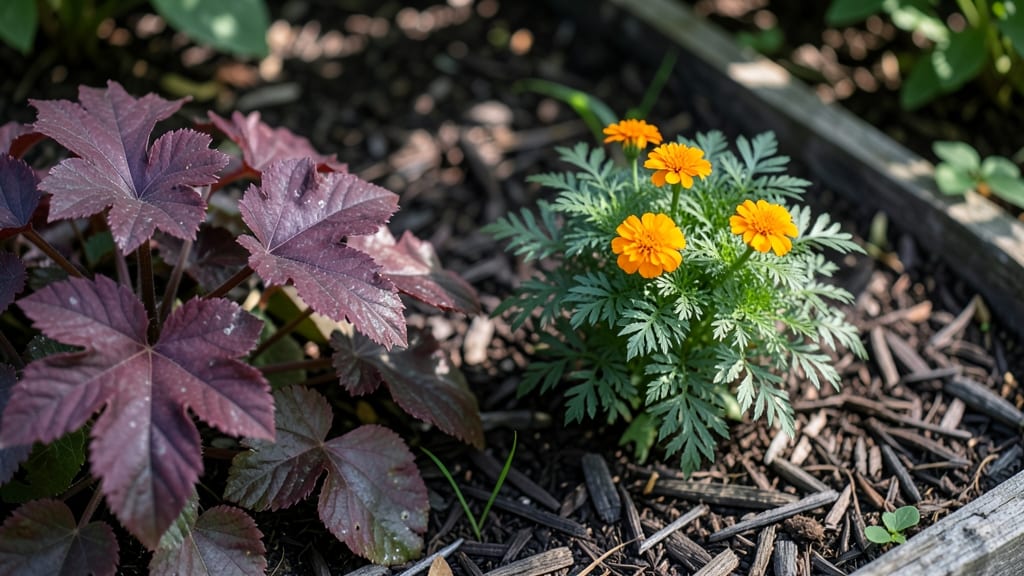
Growing marigolds in shade requires shade-tolerant varieties like French marigolds or African marigolds, which handle 3-6 hours of daily sunlight while needing well-draining soil. Avoid full shade, as most marigolds develop weak stems or sparse blooms without enough light.
Most marigolds crave full sun, but these shade-friendly types adapt by growing more compactly with broader leaves that capture scattered light. 🌿 The key is positioning them where they get morning sun or filtered light through trees—think dappled shade rather than deep shade.
I’ve found that adding a light mulch layer helps retain moisture while improving soil drainage, which is critical for preventing root rot in low-light conditions.
For best results, pair them with taller plants that won’t block their light needs, like ornamental grasses or ferns. If you notice leggy stems or pale foliage, it’s a sign they need slightly more brightness. A simple trick is to rotate pots every few weeks to ensure even light exposure.
💡 In This Article
- Shade-Tolerant Marigold Varieties and Their Light Needs
- Caring for Marigolds in Low-Light Gardens: Soil and Water Tips
Shade-tolerant marigold varieties and their light needs
Marigolds belong to the Tagetes genus, and while most varieties thrive in full sun, certain types like French marigolds (Tagetes patula) and African marigolds (Tagetes erecta) have evolved to handle partial shade better.
These varieties develop broader, darker green leaves that maximize light absorption through a process called chlorophyll optimization. Their leaves contain more mesophyll cells—the light-capturing layer—allowing them to grow in areas with only 3-6 hours of direct sunlight daily. 🌿
The key difference lies in their growth habits: shade-tolerant marigolds grow more compactly (typically 12-18 inches tall) with shorter internodes (spaces between leaves) compared to sun-loving varieties like Mexican marigolds (Tagetes lucida), which can stretch up to 3 feet in low light.
French marigolds, for example, produce double-layered petals that reflect light more efficiently, while African marigolds develop thicker stems to support their larger blooms (up to 3 inches across) without requiring intense sunlight.
For ideal light conditions, aim for dappled sunlight—think morning sun or filtered light through tree canopies—rather than deep shade. A common mistake is placing marigolds under dense evergreens, which block 90%+ of light and lead to etiolation (weak, leggy stems).
Instead, position them near deciduous trees that provide partial shade during hot afternoons while allowing morning light exposure. This mimics their natural habitat in tropical understory environments, where they grow beneath taller vegetation.
If you're working with containers, rotate pots every 5-7 days to ensure even light exposure on all sides. This prevents uneven growth and ensures the plant develops uniformly.
For garden beds, interplant marigolds with low-growing companions like sweet alyssum or creeping thyme, which won’t compete for light while adding visual contrast. The golden-yellow blooms of shade-tolerant marigolds will still pop beautifully against these companions, even in 50-60% shade conditions.
One advanced tip: If your marigolds start showing pale green or yellowing leaves, it’s a sign of chlorosis—a condition caused by insufficient light for chlorophyll production.
In this case, supplement with a balanced liquid fertilizer (10-10-10) to boost photosynthesis, but avoid high-nitrogen fertilizers, which promote leafy growth at the expense of flowers. Instead, opt for a phosphorus-rich formula to encourage blooming, even in lower light.
For those in USDA Zones 8-10, shade-tolerant marigolds can even thrive as year-round plants in partial shade, provided they receive at least 3 hours of indirect light daily.
In cooler climates (Zones 3-7), treat them as annuals and plant them near south-facing walls or under patio umbrellas to maximize light exposure during their growing season.