
Trees
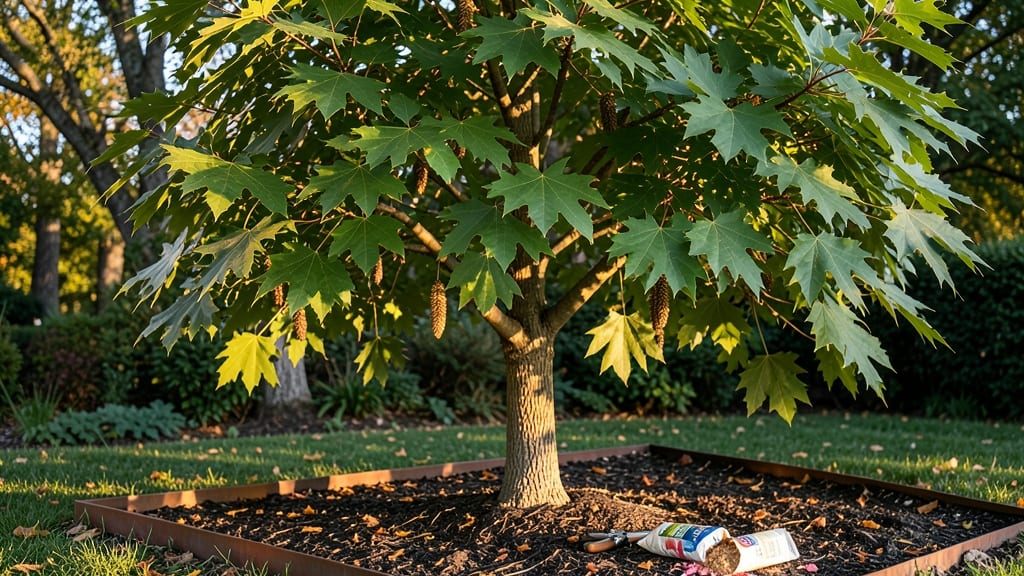
California's brutal sun and dry heat don't have to stop you from growing towering shade trees that grow fast—some even double in height every year. 🌳 I've planted half a dozen in my own yard, and the right species can provide full shade within just 3-5 years, not decades.
The secret lies in choosing drought-tolerant varieties that thrive where others wilt, like the dramatic Liquidambar or the surprisingly hardy Paulownia.
Most of these trees need well-draining soil and minimal irrigation once established—critical for California's water-conscious climate. You'll want to plant in late fall or early winter when temperatures are cooler, giving roots time to settle before summer's heat arrives.
Spacing matters too: give fast growers like Eucalyptus at least 20-30 feet of clearance, or they'll quickly outgrow their neighbors.
What you'll end up with is a cooling canopy that transforms your patio into a shaded retreat by summer's peak. The trees handle pruning like champs, so you can shape them early to avoid power line conflicts.
Just watch for aphids on new growth and root rot if you overwater—both are easy to manage with the right care.
Works for urban yards, rural lots, or even large containers if you choose dwarf varieties. The key is picking the right species for your microclimate—whether that's coastal fog, inland heat, or high desert conditions. Let's get those shade giants growing!
📚 In This Guide
- What you need
- Instructions
- Tips and common mistakes
- Wrapping up and next steps
What you need
- ● Tree saplings: Choose from fast-growing varieties like Morton Arboretum Hybrid Poplar, Valley Oak, or California Sycamore (1–3 plants, depending on spacing needs). Opt for 1–3 gallon containers for mature roots.
- ● Shovel or digging bar: A 12–18" wide shovel for planting holes (or a digging bar for rocky soil).
- ● Compost or organic mulch: 3–5 cubic feet of high-quality compost (e.g., Alfisol or leaf mold) to enrich soil.
- ● Mulch (wood chips, straw, or bark): 2–3 cubic yards to retain moisture and regulate temperature.
- ● Watering can or hose with a soaker nozzle: Essential for deep watering (aim for 10–15 gallons per tree initially).
- ○ Tree stakes (optional but helpful): 2–4 stakes per tree (4–6 ft tall) + soft tree ties to support young trees in windy areas.
- ● Pruning shears: Bypass pruners (for clean cuts) or loppers (for thicker branches).
- ● Garden gloves: Heavy-duty nitrile-coated gloves to protect hands from thorns or rough bark.
- ● Sunlight assessment: Confirm your planting spot gets at least 6–8 hours of sun daily (most fast-growing shade trees thrive in full sun).
- ○ Soil test (optional but recommended): California’s alkaline soil (pH 7.5–8.5) may need amendments like sulfur or peat moss for acid-loving trees (e.g., California Sycamore).
- ● Clearance space: Ensure 15–25 ft of clearance around the tree’s mature canopy (check species-specific growth rates!).
- ● Water source nearby: Trees need deep watering 2–3 times per week for the first year (drip irrigation is ideal).
- ● Local regulations: Check with your city or county for tree planting permits or protected species (e.g., Valley Oak).
How to select and plant fast-growing shade trees in California’s dry climate
Here's how I pick and establish sun-defying shade trees that grow fast and handle California's heat without fuss.
🌱 Step 1: Choose the Right Fast-Growing Species for Your Climate
California’s dry heat rules out many traditional shade trees, but native and drought-adapted species thrive. I recommend Valley Oak (Quercus lobata) for its rapid growth and deep roots, or Desert Willow (Chilopsis linearis) for its striking blooms and minimal water needs. Both reach 15-25 feet in 5-10 years—ideal for quick shade. Avoid non-native species like Leyland Cypress, which struggle with our dry summers.
Check your USDA Hardiness Zone (California ranges from 7-10) and soil type—Valley Oaks prefer well-draining clay, while Desert Willows tolerate sandy soils. I always test soil moisture before planting; if it’s dry at 12 inches deep, the tree will need supplemental watering until established.
🪴 Step 2: Plant at the Right Time and Prepare the Site
Plant in late fall or early spring when temperatures are mild—avoid summer heatwaves, which stress young roots. Dig a hole twice as wide as the root ball but no deeper, since backfilling with deep soil can suffocate roots. Amend the native soil with 3 inches of compost mixed into the bottom of the hole to improve drainage and fertility.
Place the tree so its top is level with the surrounding grade—never mound soil around the trunk, which can cause rot. I stake young trees only if they’re top-heavy (like Valley Oaks), using two stakes at a 45-degree angle and a soft tie to avoid girdling. Water deeply before planting to settle the root ball.
☀️ Step 3: Water Deeply and Mulch for Retention
After planting, water deeply to a depth of 18 inches—this encourages roots to grow downward. I use a soaker hose for 20 minutes to avoid surface runoff. For the first 3 months, water once a week (more in summer), then taper to every 2-3 weeks once established. Overwatering is the biggest mistake—California shade trees hate soggy roots.
Apply 3 inches of mulch (wood chips or gravel) in a 3-foot radius, keeping it 6 inches away from the trunk to prevent moisture buildup. Mulch conserves soil moisture and regulates temperature, which is critical in California’s heat. I reapply mulch annually to maintain coverage.
✂️ Step 4: Prune for Structure and Sunlight Management
Prune in late winter or early spring before new growth begins. Remove dead, crossing, or weak branches first, then thin the canopy to allow 20-30% sunlight penetration—this prevents fungal issues and encourages healthy growth. I avoid heavy pruning in summer, as it stresses the tree and attracts pests.
For fast growth, focus on structural pruning—shape the tree to distribute weight evenly and prevent storm damage. Use clean, sharp pruners to make cuts just outside the branch collar. Never leave stubs, which invite disease. After pruning, water deeply to help the tree recover.
⏰ Step 5: Monitor and Adjust for Long-Term Health
Check soil moisture monthly by digging 6 inches deep—if dry, water deeply. Fertilize once a year in early spring with a slow-release, balanced fertilizer (10-10-10) to avoid burning roots. I skip fertilizer the first year unless soil tests show deficiencies, as young trees need to establish roots first.
Watch for pests like aphids or powdery mildew—common in California’s dry heat. Treat with neem oil if needed, but most fast-growing shade trees resist pests when healthy. In years 3-5, you’ll see rapid canopy expansion—this is your reward for proper care.
Tips & tricks for perfect fast-growing shade trees in California
These game-changing strategies will help your sun-defying shade trees grow faster and stronger in California's challenging climate.
Species Selection: Valley Oaks and Desert Willows are my top picks for their rapid growth (15-25 feet in 5-10 years), but consider your specific needs. For instant shade, Valley Oaks are unbeatable, while Desert Willows offer drought tolerance and beautiful blooms. I always verify the tree's maturity size against my available space—nothing worse than planting a giant that outgrows its home in a decade.
Timing Secret: That 20-minute soaker hose session in Step 3 is crucial—it delivers water exactly where roots need it, not just surface runoff. I use a timer to ensure consistent watering depth of 18 inches. For summer heatwaves, extend this to 30 minutes to compensate for evaporation. The key is deep, infrequent watering that encourages roots to grow downward where they'll find moisture during droughts.
Pruning Strategy: When pruning in late winter/early spring (Step 4), focus on removing branches that cross or grow inward—they compete for sunlight and nutrients. I always make cuts just outside the branch collar to prevent damage. For young trees, limit pruning to 10-15% of the canopy to avoid stressing the tree. The goal is to create an open, airy structure that allows sunlight penetration while maintaining the tree's natural shape.
Long-Term Care: That monthly soil moisture check (Step 5) is your early warning system. If soil stays dry at 6 inches deep, your tree needs more water—California's dry heat can fool you into thinking it's getting enough. I've seen trees suffer from both overwatering (which causes root rot) and underwatering (which stunts growth). The solution? Water deeply when needed, then let the soil dry slightly between waterings to develop strong root systems.
Pro Tips for Fast Growing Shade Trees In California
- These game-changing strategies will help your sun-defying shade trees grow faster and stronger in California's challenging climate.
- Species Selection: Valley Oaks and Desert Willows are my top picks for their rapid growth (15-25 feet in 5-10 years), but consider your specific needs.
- Timing Secret: That 20-minute soaker hose session in Step 3 is crucial—it delivers water exactly where roots need it, not just surface runoff.
Frequently asked questions
Got questions about planting and caring for fast-growing shade trees in California? You’re not alone! Here are answers to the most common queries to help you make the best choices for your yard.
What’s the fastest-growing shade tree that thrives in California’s dry heat?
The California Sycamore or Fremont Cottonwood are top picks—they grow 5–8 feet per year and handle drought once established. For smaller spaces, consider the Lombardy Poplar, which grows 3–5 feet annually but needs consistent watering.
When is the best time to plant a fast-growing shade tree in California?
Plant in late fall or early winter (November–February) to avoid summer heat stress. If planting in spring, do it before March to give roots time to establish before dry season hits. Avoid planting in summer—young trees struggle with heat and water loss.
How often should I water a newly planted shade tree in California?
Water deeply 2–3 times per week for the first year, then taper to once a week once established. Use 5–10 gallons per watering (more for larger trees) and focus on the root zone. Mulch helps retain moisture—apply 3–4 inches of mulch around the base (keep it away from the trunk).
Why is my fast-growing shade tree dropping leaves even though it’s not fall?
Leaf drop in non-fall months often signals transplant shock, underwatering, or pest stress. Check soil moisture (stick your finger 2 inches deep—if dry, water more). Inspect for aphids or spider mites (common in CA’s dry heat). If roots are exposed, mulch heavily and water deeply. Most trees adjust within 6–12 months.
Are there any fast-growing shade trees that don’t attract pests or wildlife?
No tree is 100% pest-proof, but some are low-maintenance. The Texas Ebony or Desert Willow (while not shade-heavy) resist pests better than others. For classic shade with fewer issues, the Valley Oak is native and tough—just expect moderate growth (2–3 ft/year). Always monitor for scale insects or borers and treat early.
Wrapping up and next steps
Choosing the right fast-growing shade trees for California’s dry, sun-soaked climate can transform your outdoor space into a cool, inviting retreat—without the wait! From drought-resistant Valencia Orange trees to towering California Sycamores, these sun-defying giants offer shade, beauty, and low-maintenance resilience.
Whether you’re planting for privacy, energy savings, or curb appeal, the perfect tree is just a shovel’s throw away.
Ready to cast your shade? Start by assessing your space—soil, sunlight, and root room—and pick your top contender. Then, roll up your sleeves: check out our planting tips to ensure your new green giant thrives for decades. 🌳✨