
Blooming
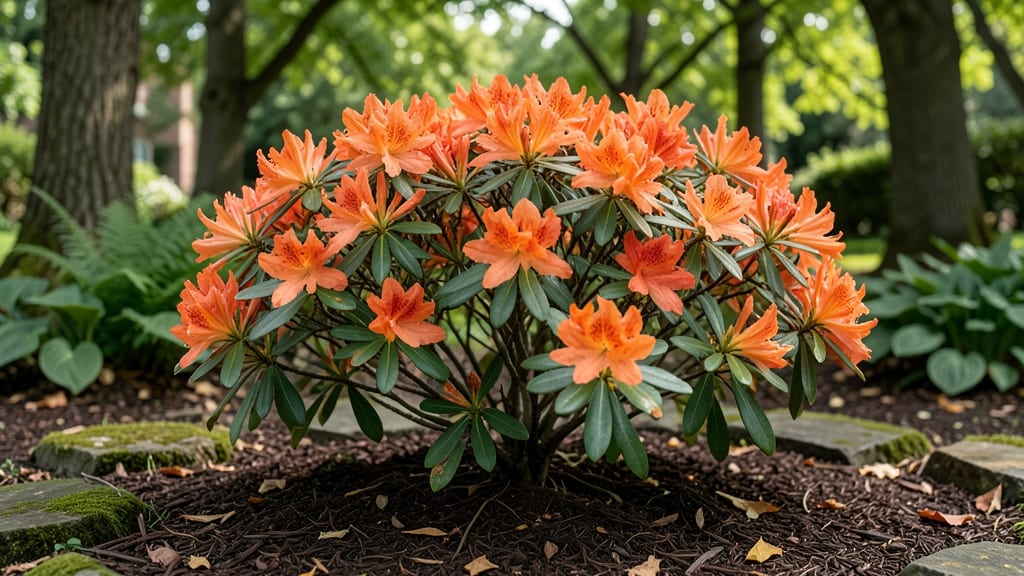
Flame azaleas burst into color with spring's first warm days—but timing varies wildly by variety and zone. 🌸 I learned this the hard way when my 'George Taber' bloomed in April while my 'Knock Out' waited until May.
The difference comes down to your hardiness zone, microclimate, and whether you're growing a spring or fall-blooming cultivar.
Spring-blooming flame azaleas typically open petals when daytime temps hit 55-60°F consistently, usually 4-6 weeks after last frost in Zones 6-9. Fall-bloomers like 'Hershey Red' follow a different rhythm, waiting until late summer heat breaks in August-September.
The key is watching those nighttime temps—any dip below 40°F can delay blooms, while sudden heat spikes may cause buds to drop.
You'll know you're on track when buds swell and turn pinkish-red (a sure sign blooms are days away). Prune right after flowering to encourage next year's buds, and fertilize in early spring with acid-loving plant food.
The payoff? Three weeks of vibrant red-orange blooms that outshine most spring shrubs—and attract hummingbirds by the dozen.
Regional tweaks matter: Southern gardeners may see blooms stretch into June, while Northern growers should expect a shorter 2-3 week window. For late bloomers, a light mulch of pine needles in fall helps maintain soil acidity.
The secret to consistent blooms? Patience and observation—these azaleas don't rush, and neither should you.
📚 In This Guide
- What you need
- Instructions
- Tips and common mistakes
- Wrapping up and next steps
What you need
- ● Flame azalea plants: 1-3 plants per desired display area (choose Rhododendron calendulaceum varieties like ‘George Taber’ or ‘Georgia Peach’ for vibrant blooms).
- ● Well-draining acidic soil: 3-5 cubic yards (or pre-mixed rhododendron soil blend for containers). pH 4.5–6.0 is critical!
- ● Organic mulch: 2–3 inches of pine bark, wood chips, or leaf mold to retain moisture and acidity.
- ● Slow-release fertilizer: 10-10-10 or rhododendron-specific formula (apply 1 lb per 10 sq ft in early spring).
- ● Watering can or hose with a gentle spray nozzle: For deep, even hydration (1–2 gallons per plant, 2–3 times weekly).
- ● Pruning shears: Sharp, clean pair (sterilize with rubbing alcohol between cuts).
- ● Gloves: Heavy-duty gardening gloves to protect from thorns and soil.
- ● Soil pH test kit: To monitor acidity levels (aim for 5.0–5.5 for peak blooms).
- ● Epsom salt (magnesium sulfate): 1 tbsp per gallon of water (monthly foliar spray for lush foliage).
- ● Shade cloth (30–50% coverage): For young plants in hot zones (Zones 7–9).
- ● Drip irrigation system: Automates watering for consistent moisture (especially in dry climates).
- ● Bloom-time tracker: A garden journal or app (like Gardenate) to log variety-specific bloom windows.
Precision timeline for flame azalea bloom time by variety
Mastering your flame azalea's bloom cycle means understanding its unique schedule—here's how to time it perfectly.
🌱 Step 1: Identify Your Variety and Hardiness Zone
Flame azaleas bloom in late spring to early summer, but timing varies by cultivar. For example, 'George L. Taber' typically flowers in late May to June, while 'Girard's Pink' peaks in June to July. Always check your plant's tag for exact variety details.
Your USDA hardiness zone also shifts bloom time. In zones 6-7, azaleas often flower 2-3 weeks earlier than in zones 8-9. Cooler zones delay bud set until spring warmth triggers blooming. I recommend tracking your local frost dates—flame azaleas need 6-8 weeks of chilling before buds form.
☀️ Step 2: Monitor Light and Temperature Cues
Flame azaleas need full sun to partial shade (6+ hours of morning sun). Watch for bud swell—this occurs when daytime temperatures rise above 50°F consistently for 2 weeks. Buds will appear plump and green before turning pinkish-red.
Nighttime temperatures below 40°F can delay blooming. If frost threatens after buds form, cover plants with frost cloth—damaged buds won't open. I've seen 'Hershey's Red' bloom 10 days late in a cold spring, so don't panic if your schedule shifts slightly.
⏰ Step 3: Track Bloom Development Stages
Bud break happens when buds split open and reveal pink centers. This typically occurs 2-3 weeks before full bloom. For 'Nancy Evans', expect 7-10 days from bud break to peak color. Count petals—fully open flowers have 5-7 petals with vibrant orange-red centers.
Bloom duration varies: most flame azaleas stay vibrant for 2-3 weeks. To extend the show, deadhead spent flowers once 20% of blooms fade—this redirects energy to new buds. I prune lightly after blooming to maintain shape, but never cut back into old wood.
🌿 Step 4: Adjust Care for Next Year's Bloom
After flowers fade, feed with acidic fertilizer (pH 5.0-5.5) in early summer to build next year's buds. Flame azaleas need 1-2 inches of water weekly during dry spells—wilting buds won't recover. Mulch with 2-3 inches of pine bark to retain moisture and cool roots.
Fall is critical: apply balanced fertilizer in October and avoid heavy pruning. I've found that azaleas blooming in zone 7 need more winter protection than those in zone 8—watch for winter burn on exposed stems. A thick mulch layer prevents temperature swings that stress plants.
Tips & tricks for perfect flame azalea bloom timing
Getting your flame azalea to bloom on schedule takes more than just patience—it's about understanding the subtle cues your plant gives you. Here's how to fine-tune your approach for showstopping results.
Variety-Specific Watch List: Create a simple chart tracking your azalea's variety alongside its expected bloom window. For example, 'George L. Taber' typically blooms in late May to June, while 'Girard's Pink' peaks later in June to July. I keep mine on the fridge door as a visual reminder—this prevents me from missing those critical early signs of bud formation. The key is to check your plant's tag immediately upon bringing it home, as this information is often printed right on the packaging.
Temperature Tracking System: Use a minimum-maximum thermometer placed near your azalea to monitor daily temperatures. The instructions mention daytime temps above 50°F for 2 weeks trigger bud swell, but I've found that nighttime temperatures below 40°F can actually delay blooming by up to 10 days. I set up alerts on my phone for temperature drops below 45°F—this gives me time to prepare frost cloth before buds form. Consider placing your azalea in a slightly sheltered location if your garden experiences frequent late frosts.
Bud Development Visual Guide: When buds first appear plump and green (Step 2), I recommend photographing them every 3-4 days. This creates a visual record of their development stages. The transition from green to pinkish-red is your first clear sign that blooming is imminent. For 'Nancy Evans', I've noticed that buds typically take 7-10 days from this pink stage to reach full bloom—this helps me anticipate when to expect the most vibrant colors. Keep these photos in a plant journal for future reference.
Seasonal Care Calendar: Create a yearly calendar marking the critical care periods: early summer feeding (Step 4), October fertilization, and winter protection. I've found that azaleas in zone 7 particularly appreciate the extra winter protection—adding an additional 2-3 inches of mulch in November makes a noticeable difference in next year's bloom quality. This calendar system helps me stay ahead of seasonal changes that could impact bloom timing.
Pro Tips for Flame Azalea Bloom Time
- Getting your flame azalea to bloom on schedule takes more than just patience—it's about understanding the subtle cues your plant gives you.
- Variety-Specific Watch List: Create a simple chart tracking your azalea's variety alongside its expected bloom window.
- Temperature Tracking System: Use a minimum-maximum thermometer placed near your azalea to monitor daily temperatures.
Frequently asked questions
When is the exact peak bloom time for flame azaleas?
Flame azaleas typically bloom in late spring to early summer (May–June in most U.S. zones), but timing varies by variety and climate. Cooler zones (5–7) may see blooms 2–4 weeks earlier than warmer zones (8–9). For precise dates, check your local nursery or use a USDA Plant Hardiness Zone map.
Why did my flame azalea bloom later than expected this year?
Late blooming can stem from cold winters (which delay bud set), over-fertilizing (pushing foliage over flowers), or stress (drought, transplant shock). If blooms arrive sporadically, prune spent flowers promptly to encourage next year’s display—and avoid heavy nitrogen feeds in fall.
Can I force flame azaleas to bloom earlier or later?
While you can’t control bloom time completely, you can influence it slightly. For earlier blooms, plant in a sheltered, sunny spot (avoid harsh winter winds). To delay blooming, mulch heavily in late summer to cool roots. Pro tip: Avoid pruning in fall—wait until right after blooming to shape the plant.
Are there flame azalea varieties that bloom at different times?
Yes! Some varieties stand out for extended or staggered blooming:
- ‘George Taber’: Early bloomer (April–May in zones 6–9).
- ‘Knock Out® Red Hot’: Reblooms lightly in fall if deadheaded.
- ‘Girard’s’: Late-season (June–July), thrives in cooler climates.
My flame azalea had buds but no flowers—what went wrong?
Bud drop or failed blooms often signal environmental stress. Common culprits:
- Late frost: Frost after buds swell can kill flowers.
- Over/under-watering: Azaleas hate soggy roots but also drought stress.
- Poor soil pH: Test soil—aim for acidic (4.5–6.0).
- Too much sun: Flame azaleas prefer morning sun + afternoon shade.
Wrapping up and next steps
Now that you’ve got the precision timeline for flame azalea blooms—tailored to your variety and hardiness zone—you’re ready to transform your garden into a fiery spectacle! 🌸🔥 Whether you’re a patient gardener or eager for instant color, knowing the right timing ensures your azaleas thrive and dazzle. Next steps? Mark your calendar, prep your soil, and maybe even snap a photo of your first bloom to share with fellow plant lovers.
Happy gardening—your flame azaleas are waiting to shine! 🌟