
Flowers
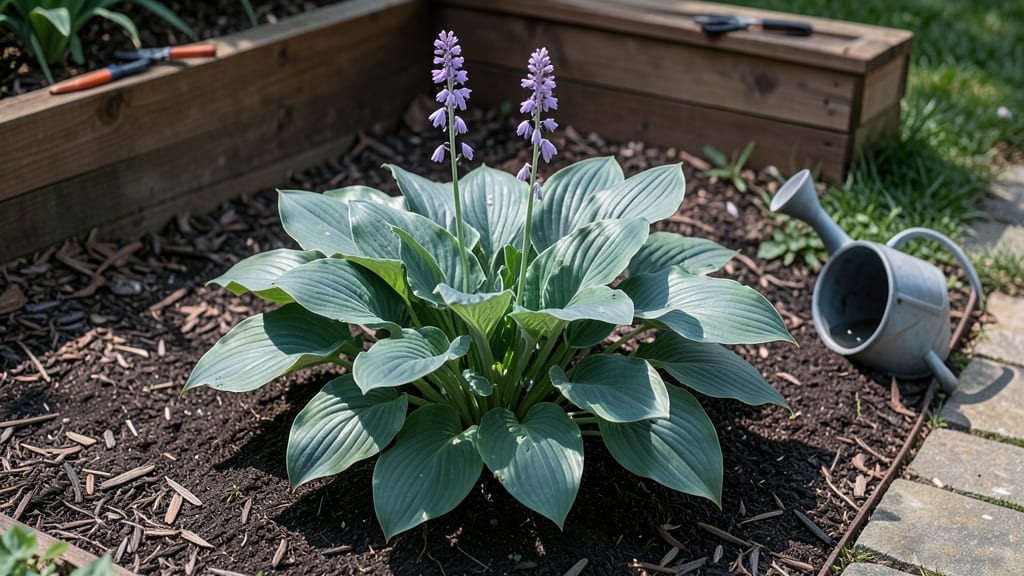
Flowers that prefer shade have transformed my darkest garden corner into a vibrant, sunless sanctuary—hostas, impatiens, and astilbes prove beauty thrives even in low light. 🌿 The key isn't fighting the shade—it's working with it to create a vibrant, low-maintenance oasis that blooms reliably year after year.
Most shade plants actually prefer partial shade (3-6 hours of morning sun) to full shade (less than 3 hours), though some like ferns and hellebores handle deep shadows beautifully. The soil stays moist longer in shade, so well-draining but rich compost mixes work best—think leaf mold or aged manure.
Watering becomes less frequent once established, but mulch is your secret weapon to keep roots cool and hydrated.
What you'll end up with is a garden that stays lush even when summer heat scorches other beds. Hostas develop deep green foliage with occasional blooms, impatiens burst with color all season, and astilbes create feathery plumes that dance in the breeze.
The fragrance of some varieties—like sweet woodruff—adds an extra sensory layer to your shaded retreat.
This works for under trees, north-facing walls, or even patios with dappled light. The same principles apply whether you're planting annuals for quick color or perennials for long-term beauty. Let's bring your shady spots to life without the fuss.
📚 In This Guide
- What you need
- Instructions
- Tips and common mistakes
- Wrapping up and next steps
What you need
- ● Shade-loving flower plants: Hosta (3–5 plants, depending on garden size)
- ● Impatiens (10–15 plants for full coverage)
- ● Ferns (e.g., Maidenhair or Boston Fern, 3–5 plants)
- ● Bleeding Heart (2–3 plants for height and drama)
- ● Astilbe (3–4 plants for feathery texture)
- ● Potting soil: 2–3 bags (10–15 cubic feet) of well-draining, organic-rich soil (e.g., Miracle-Gro Garden Soil or compost-amended mix).
- ● Mulch: 1 bag of shredded bark or pine straw (for moisture retention and weed control).
- ○ Containers (optional): 3–5 10–12 inch pots with drainage holes (for patio or balcony gardening).
- ● Gardening tools: Trowel (1 medium-sized)
- ● Pruners (1 pair for trimming)
- ● Garden gloves (1 pair for protection)
- ● Watering can or hose with a gentle spray nozzle (1)
- ○ Optional (but helpful!): Soil pH tester (to check acidity levels, ideal pH: 5.5–6.5 for most shade flowers)
- ● Slow-release fertilizer (e.g., Osmocote, 1–2 bags)
- ● Mulching fabric (for weed suppression in large garden beds)
Step-by-Step guide for planting shade-loving flowers
Here's my go-to method for selecting and planting flowers that thrive in low light—no green thumb required.
🌱 Step 1: Choose the Right Shade-Tolerant Varieties
Start with proven performers like impatiens, ferns, hostas, and astilbes—these handle 2-6 hours of dappled light without fuss. I always check the plant tag for "partial shade" labels, as full shade (under trees) needs even more forgiving varieties like bleeding hearts or Japanese anemones.
Pick flowers that match your light conditions: dappled shade (filtering sun) works for most annuals, while deep shade (no direct sun) suits woodland natives. Avoid sun-lovers like marigolds or zinnias—they'll sulk and refuse to bloom.
🪴 Step 2: Prepare the Planting Area
Test your soil's moisture by digging a 6-inch hole—if it stays damp for 24 hours, you're in deep shade. Amend heavy clay with 2 inches of compost to improve drainage, but avoid sandy soil that dries out too fast. I mix in a handful of slow-release fertilizer at planting time to give roots a nutrient boost.
Clear competing weeds and loosen the soil to 12 inches deep with a fork. This prevents root competition and lets roots spread easily. If your area stays soggy, add 1 inch of coarse sand to improve drainage before planting.
☀️ Step 3: Plant With Proper Spacing and Mulch
Dig holes twice as wide as the root ball but only as deep as the top of the roots. Gently tease apart crowded roots before placing the plant in—this encourages outward growth instead of circling. Space annuals 8-12 inches apart and perennials 18-24 inches apart for airflow.
Backfill with native soil, pressing lightly to remove air pockets. Water deeply until moisture reaches 6 inches down, then top with 2 inches of mulch (like shredded bark) to retain moisture. Keep mulch 2 inches away from stems to prevent rot.
💧 Step 4: Water Consistently and Monitor Light
Shade plants need 1-1.5 inches of water weekly, but check soil moisture first—stick your finger 2 inches deep. If it's dry, water slowly until it drains through. I water in the morning so leaves dry quickly, preventing fungal issues.
Watch for leggy growth (stems stretching toward any available light). If you notice this, move plants 2 inches closer to the light source or thin nearby foliage to let more light reach them. Most shade plants bloom best with some indirect light, even if it's minimal.
✂️ Step 5: Maintain and Enjoy Low-Maintenance Blooms
Deadhead spent blooms on annuals like impatiens to encourage more flowers, but leave seed heads on perennials like astilbes—they add winter interest. Fertilize lightly in spring with balanced 10-10-10 if growth slows, but avoid heavy feeding in deep shade.
Watch for pests like slugs in damp shade areas—set out beer traps or handpick them at dusk. With proper care, your shade garden will reward you with continuous blooms from spring to fall with minimal effort.
Tips & tricks for perfect shade garden blooms
Here's what I've learned from years of growing shade gardens that actually thrive.
Variety Selection: When choosing between dappled shade and deep shade plants, pay attention to the plant tag's light requirements. For example, impatiens thrive in 2-6 hours of dappled light, while hostas can handle deeper shade. I always buy a mix of annuals like impatiens and ferns for quick color, plus perennials like astilbes for long-term interest. This combination gives you blooms from spring through fall without gaps.
Soil Prep Insight: The 24-hour moisture test in Step 2 is crucial—it tells you exactly what your soil needs. If your soil stays damp beyond 24 hours, you're dealing with poor drainage, which means adding that 1 inch of coarse sand before planting is absolutely essential. I've seen too many shade gardens fail because people skipped this step, thinking shade plants wouldn't care about drainage. They do!
Planting Technique: When teasing apart crowded roots in Step 3, be gentle but thorough. I use my fingers to carefully separate the roots, making sure they spread outward naturally. This might take an extra minute per plant, but it prevents that "circling roots" problem that causes stunted growth. Think of it as giving your plants a proper foundation—just like you'd want for a house!
Watering Wisdom: The 1-1.5 inches of water weekly guideline is perfect, but timing matters just as much. I've found that watering in the morning gives leaves time to dry completely before evening, which dramatically reduces fungal issues. Also, always water at the base of plants rather than overhead—this keeps foliage dry and prevents diseases like powdery mildew that plague many shade gardens.
Pro Tips for Flowers That Prefer Shade
- Here's what I've learned from years of growing shade gardens that actually thrive.
- Variety Selection: When choosing between dappled shade and deep shade plants, pay attention to the plant tag's light requirements.
- Soil Prep Insight: The 24-hour moisture test in Step 2 is crucial—it tells you exactly what your soil needs.
Frequently asked questions
Got questions about growing shade-loving flowers? You’re not alone!
Here are some of the most common queries—and their easy, practical answers—to help your garden flourish in the shadows.
What are the easiest shade-tolerant flowers for beginners?
Start with impatiens, coleus, or hostas—they’re low-maintenance and thrive in low light. Ferns and heucheras are also forgiving picks. Avoid sun-lovers like marigolds or sunflowers; opt for blooms that embrace the dappled light instead!
How long does it take for shade flowers to bloom?
Most shade flowers bloom within 6–12 weeks after planting, but some (like astilbes) may take up to 3 months. Impatiens and begonias often flower faster—sometimes in just 4–6 weeks—if given consistent moisture and partial shade.
Do shade flowers need less water than sun-loving ones?
Not necessarily! Shade can slow evaporation, but overwatering is still a risk. Check soil moisture weekly—water when the top inch feels dry. Mulch helps retain moisture, and containers dry out faster, so monitor those closely.
Can I grow shade flowers in containers instead of garden beds?
Containers are perfect for begonias, fuchsias, or caladiums. Use well-draining soil and pots with drainage holes. Just ensure they get at least 4–6 hours of indirect light daily—deep shade in containers can stunt growth.
What pests commonly target shade flowers, and how do I prevent them?
Watch for aphids, slugs, and spider mites. Use neem oil or insecticidal soap for soft-bodied pests. Slug barriers (like copper tape) work wonders, and diatomaceous earth keeps crawlers away. Healthy plants resist pests better—so mulch and water consistently!
Wrapping up and next steps
Transforming shady spots into vibrant gardens is easier than you think! Whether you’re drawn to the delicate charm of hostas, the bold elegance of bleeding hearts, or the lush foliage of heucheras, these shade-loving flowers prove that beauty thrives even in low light.
With the right care—like well-draining soil, consistent moisture, and a dash of patience—you’ll create a serene, flourishing oasis that’s the envy of the neighborhood.
Ready to get your hands dirty? Start small: pick one plant from our list, grab your gardening tools, and watch your shady corner bloom! 🌿✨