
Size
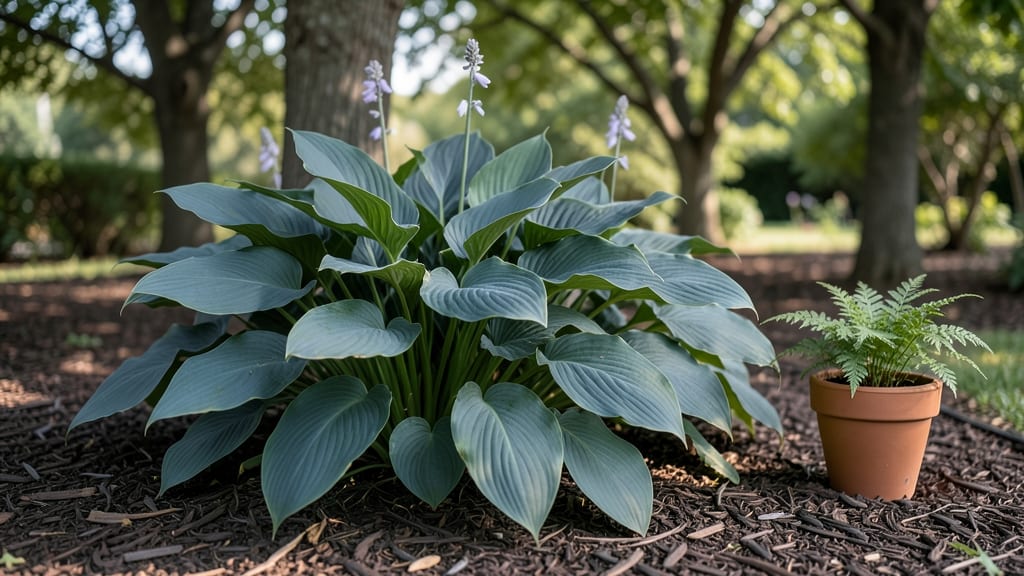
Shade-tolerant foods transform dark corners into productive gardens. 🌿 My first foray into growing greens under a towering oak tree proved that shade isn't a limitation—it's just a different set of rules.
The right plants thrive where others would struggle, giving you fresh herbs and tender greens even when sunlight is scarce.
Leafy greens like spinach, kale, and Swiss chard lead the pack, followed by herbs such as cilantro, parsley, and chives. Root vegetables like radishes and beets also perform well in partial shade, while mushrooms can even be grown indoors with minimal light.
The key is matching plant needs to your specific shade conditions—dappled light, deep shade, or filtered sun all create different growing environments.
With proper soil prep (rich in organic matter) and consistent moisture, you'll see rapid growth—some greens ready to harvest in just 3-4 weeks. The trade-off?
Slower growth means fewer pests, and the flavor often deepens in shade-grown plants. My shade garden now produces more consistently than my sun-drenched beds ever did.
Whether you're working with a north-facing yard, a covered patio, or an indoor windowsill, these shade-loving plants adapt easily. The biggest challenge is avoiding overwatering, but with the right approach, you'll have a thriving food garden in even the darkest spots.
📚 In This Guide
- What you need
- Instructions
- Tips and common mistakes
- Wrapping up and next steps
What you need
- ● Containers or garden beds: 5–10 5–10 gallon pots (with drainage holes) or
- ● 1 raised bed (at least 6" deep) or
- ● 1–2 shade-friendly garden plots (partial/full shade zones)
- ● Soil: 5–10 bags of well-draining potting mix (or amend garden soil with compost)
- ○ Optional: Perlite or vermiculite (1–2 cups per container for aeration)
- ● Seeds or seedlings: 5–10 shade-tolerant seed packets (e.g., lettuce, spinach, Swiss chard, mint, or parsley)
- ● OR 3–5 young seedlings (from a nursery)
- ● Basic tools: 1 hand trowel (for planting)
- ● 1 spray bottle (for gentle watering)
- ○ 1 gloves (optional, for soil handling)
- ○ Optional upgrades: 1 mulch (straw or shredded leaves to retain moisture)
- ● 1 lightweight shade cloth (for extra protection if needed)
- ● 1 pH testing kit (to check soil acidity, ideal: 6.0–7.0)
How to grow shade-loving edible plants in your darkest garden spots
Turn those gloomy corners into a productive harvest with these easy-care, low-light edibles.
🌿 Step 1: Choose the Right Shade-Tolerant Plants
Start with varieties proven to thrive in low to partial shade—meaning 2-6 hours of direct sun daily. Leafy greens like spinach, Swiss chard, and kale handle shade beautifully, while herbs such as parsley, cilantro, and mint flourish where others fail. Avoid sun-lovers like tomatoes or peppers—they’ll just wilt.
I always check the seed packet for "partial shade" labels, as some varieties (like bok choy) tolerate shade better than others. If your spot gets no direct sun, focus on microgreens, arugula, or lettuce—they’ll still produce even under fluorescent lights.
🪴 Step 2: Prep the Soil for Low-Light Success
Shade plants need rich, well-draining soil to compensate for less sunlight. Mix 2-3 inches of compost into the top 6 inches of soil before planting—this boosts nutrients and helps roots access moisture. I avoid heavy clay because it stays too wet in shady spots, leading to rot.
If you’re container gardening, use a lightweight potting mix with 20% perlite or vermiculite to improve aeration. Shade plants are picky about soggy roots, so drainage holes are non-negotiable. Test your soil’s moisture by sticking a finger in—it should feel damp but not dripping.
☀️ Step 3: Plant Strategically for Maximum Light
Arrange taller plants (like rhubarb or hostas) on the north side of your shade garden to avoid blocking sunlight from shorter crops. I plant leaf lettuce and spinach in the brightest part of the shade, even if it’s just dappled light from nearby trees.
For containers, place them on a rolling cart or stand to rotate them toward the best light source daily. Watch for yellowing leaves—this is your cue to move the pot closer to indirect light or thin out competing plants.
💧 Step 4: Water and Feed for Shade-Grown Edibles
Shade gardens dry out slower than sunny ones, but overwatering is still the #1 killer. Water deeply 2-3 times per week (instead of daily light sprinkles) until water drains out the bottom. I use a moisture meter to check—aim for 50-60% soil moisture at the root level.
Feed with a balanced liquid fertilizer (10-10-10) every 4-6 weeks to compensate for slower growth. Shade plants don’t photosynthesize as fast, so they need extra nutrients. Avoid high-nitrogen fertilizers—they promote leafy growth at the expense of flavor.
✂️ Step 5: Harvest and Maintain for Continuous Yields
Start harvesting outer leaves first (like with Swiss chard or kale) to encourage regrowth. I pick young leaves for tender greens and let older ones mature for heartier texture. For herbs like parsley, snip stems just above a leaf node—this triggers bushier growth.
Watch for pests like slugs or aphids, which thrive in damp shade. Handpick slugs at dawn or set out beer traps (a shallow dish of beer buried at soil level). Mulch with straw or shredded leaves to retain moisture and deter weeds without smothering your plants.
Tips & tricks for perfect shade gardening
Common pitfalls—and how to sidestep every one—when growing edibles in low-light spots.
Plant Selection Matters: The 2-6 hours of direct sun mentioned in Step 1 is crucial, but don't overlook microclimates within your shade garden. If your spot gets only morning sun, plant sun-loving varieties like spinach and kale there—they'll thrive with those few hours. For deeper shade, switch to microgreens or arugula, which can even grow under fluorescent lights. I've seen bok choy produce beautifully in just 3 hours of dappled light, so don't dismiss it just because your space is dim.
Soil Prep is Non-Negotiable: The instructions mention mixing 2-3 inches of compost into the top 6 inches of soil, but here's what nobody tells you—your compost should be well-aged. Fresh manure or compost can burn tender shade plant roots. For containers, I swear by adding a handful of worm castings to that potting mix with 20% perlite. The worms' castings provide gentle, balanced nutrition that shade plants crave.
Light Rotation is Your Secret Weapon: When the instructions suggest rotating containers toward the best light source, take it seriously. I've seen plants double their growth just by moving them 180 degrees every few days. For in-ground gardens, mark your tallest plants with flags so you remember which ones need to stay on the north side. This simple step prevents you from accidentally shading your shorter, sun-hungry crops.
Watering Wisdom: The 2-3 times per week deep watering is spot-on, but here's the trick: water in the morning. This gives plants all day to dry out, preventing fungal issues that thrive in damp shade. I use a simple DIY moisture meter by sticking my finger 1-2 inches deep—if it feels dry, it's time to water. For containers, I add a layer of mulch to slow evaporation and keep roots consistently moist without overwatering.
Pro Tips for Foods That Grow In Shade
- Common pitfalls—and how to sidestep every one—when growing edibles in low-light spots.
- Plant Selection Matters: The 2-6 hours of direct sun mentioned in Step 1 is crucial, but don't overlook microclimates within your shade garden.
- Soil Prep is Non-Negotiable: The instructions mention mixing 2-3 inches of compost into the top 6 inches of soil, but here's what nobody tells you—your compost should be well-aged.
Frequently asked questions
Got questions about growing shade-loving foods? You’re not alone! Here are answers to the most common queries to help you thrive in those dimmer corners of your garden.
Can I grow vegetables in full shade?
Most vegetables need at least 4–6 hours of sunlight daily, but some—like leafy greens (spinach, kale) and herbs (parsley, cilantro)—can tolerate partial shade (2–4 hours). For full shade (less than 2 hours), stick to herbs, microgreens, or mushrooms. Experiment with containers near windows or grow lights for extra light!
How do I know if my shade is too dark for growing?
Test your spot! Place a white plate where you plan to plant and observe it over a week. If mold grows or it stays damp, your area may be too shady. Alternatively, use a light meter (or a phone app) to check lux levels—ideal for shade crops is 1,000–10,000 lux. If it’s below 1,000, consider grow lights or relocate.
What’s the fastest shade-friendly crop to grow?
Microgreens and sprouts win for speed! They mature in 7–14 days with minimal light. Try broccoli sprouts or radish microgreens—they’re nutrient-packed and thrive under fluorescent lights or near north-facing windows. Bonus: They’re perfect for small spaces like countertops or balconies!
Are there any non-plant foods that grow in shade?
Mushrooms
(like oyster or shiitake) and fermented foods (kimchi, sauerkraut) don’t need sunlight. For mushrooms, use a shade-tolerant kit or grow them in a cool, dark closet. Fermented foods just need oxygen and the right bacteria—no light required. Both are great for urban gardeners or small kitchens!
Why are my shade plants wilting or yellowing?
Yellow leaves often mean too much moisture (shade slows evaporation) or nutrient deficiency. Check your soil—it should drain well. If roots are soggy, repot with perlite or coconut coir. Yellowing can also signal leggy growth (stretching for light). Rotate containers or add a grow light 6–12 inches above plants for 4–6 hours daily.
Still stumped? Drop your specific plant and conditions below—we’re happy to help troubleshoot!
Wrapping up and next steps
Growing food in shady spots isn’t just possible—it’s rewarding! 🌱 From leafy greens to flavorful herbs, these shade-loving plants prove that even the darkest corners of your garden can yield fresh, homegrown goodness.
Whether you’re a beginner or a seasoned gardener, experimenting with these resilient crops is a fantastic way to maximize space and sustainability.
Ready to turn your shady patch into a thriving mini-farm? Start small—pick one or two plants from this list, give them the love they need, and watch your green thumb grow! 🌿 Next, explore container gardening tips or companion planting to take your shaded harvest to the next level.