
Size
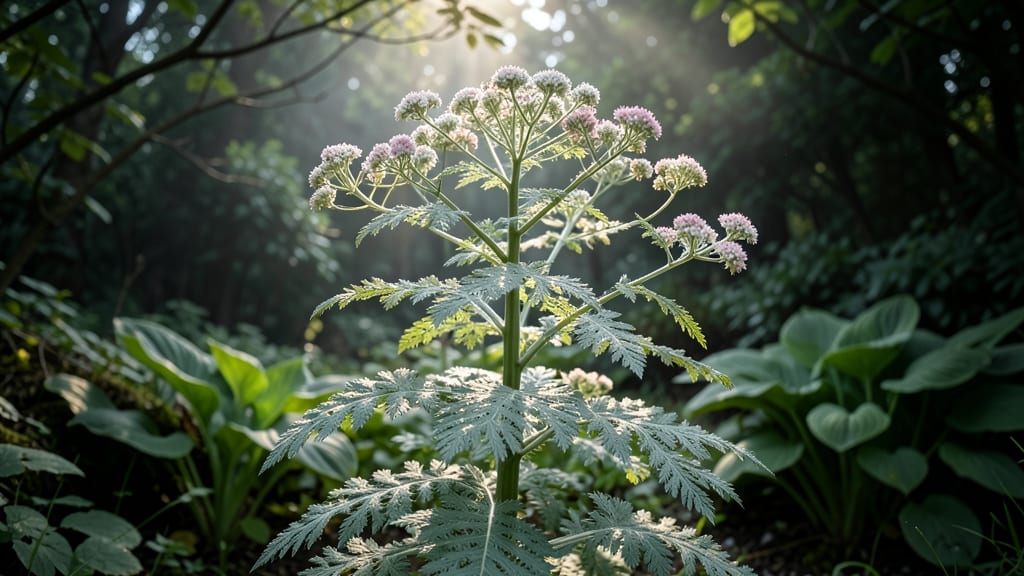
Transform your shady garden into a natural apothecary with these 10 medicinal herbs that thrive in low light. Perfect for urban balconies, forest edges, or dark garden corners, these plants offer healing properties without needing direct sunlight.
Lemon Balm for Stress Relief

Struggling to unwind after a long day? Lemon balm—a fast-growing, shade-loving herb—could be your new go-to for natural stress relief. This hardy perennial thrives in partial to full shade, making it perfect for under trees, along north-facing walls, or even indoors near a bright window.
Harvest the leaves throughout the growing season to brew into a soothing tea that reduces anxiety and promotes better sleep. Lemon balm spreads aggressively, so contain it in pots or raised beds if you want to control its growth. For best results, pinch back flowers to encourage leaf production and avoid letting it self-seed where you don’t want it.
This herb is especially great for urban gardeners with limited sun or anyone looking to grow a low-maintenance, high-benefit plant. Just a few minutes of tea from your own garden can make a world of difference for your mental well-being. 💚
Chamomile Flowers for Digestion

Tired of sacrificing medicinal herbs to bright sun? Chamomile thrives in partial shade, making it your secret weapon for soothing digestion and easing stress—no sunny spot required. This delicate perennial produces fragrant white daisies packed with apigenin, a compound that calms stomachaches and promotes relaxation.
Start by planting seeds or young plants in well-draining soil with 3–4 hours of morning sun (afternoon shade is ideal). Water consistently but avoid soggy soil to prevent fungal issues. Harvest flowers in the morning when fully open, either by hand-picking or cutting stems, then dry them for tea or tinctures. Chamomile’s mild nature makes it perfect for container growing or tucked into shaded garden beds.
This gentle herb is ideal for beginners or those with limited space—its low-maintenance care and multiple uses make it a must-have for any shade-loving gardener. 🌿
Mint Varieties for Respiratory Health

If you're looking for a fast-growing, shade-tolerant herb that doubles as a natural respiratory aid, peppermint and spearmint are your best allies. These varieties thrive in partial to full shade, making them perfect for under trees, north-facing windows, or even indoor spots with indirect light.
Beyond their digestive benefits, mint naturally repels pests like ants and mosquitoes, keeping your garden healthy. Plant them in containers to control their aggressive spread—simply snip stems for tea or fresh cooking. For maximum potency, harvest leaves in the morning after dew dries but before full sun hits.
Urban gardeners and beginners will love how forgiving mint is—just avoid overwatering. With its year-round growth potential, you’ll always have fresh leaves for remedies or garnishes. 🌱
Comfrey for Wound Healing

Looking for a shade-loving superstar that can heal cuts, scrapes, and bruises faster than store-bought ointments? Comfrey—with its deep roots and allantoin-rich leaves—is your go-to medicinal plant for natural wound care. This hardy perennial thrives in partial to full shade, making it ideal for forest edges, under trees, or even urban patios with minimal sunlight.
Harvest the large, hairy leaves in late spring or early summer when they’re most potent, then crush them into poultices for minor burns, sprains, or insect bites. Comfrey’s deep roots also improve soil fertility, so it’s a double win for your garden. Just avoid consuming it fresh—it contains pyrrolizidine alkaloids that can be harmful in large amounts, but topical use is safe and effective.
Perfect for homesteaders, permaculture gardens, or anyone with a first-aid kit, comfrey turns your shady patch into a natural pharmacy. Just a handful of leaves can speed up healing while keeping your garden thriving. ✨
Calendula for Skin Inflammation

Looking for a sunshine-free remedy for eczema or irritated skin? Calendula delivers bright orange blooms packed with anti-inflammatory compounds that soothe redness and promote healing—all while thriving in partial shade. This cheerful annual isn't just pretty; its petals contain calendulin, a natural antiseptic that works wonders in homemade salves or soothing teas.
Plant seeds directly in well-draining soil after your last frost date, spacing them 12 inches apart. Calendula handles 3–6 hours of morning sun beautifully, making it perfect for garden edges or under fruit trees. Harvest petals when fully open by gently twisting them off the stems, then dry them for later use. The more you pick, the more flowers it produces—ideal for continuous harvests.
This versatile herb is a beginner-friendly choice for gardeners with limited sun, offering both beauty and practical healing benefits. Whether you're making a simple calendula-infused oil or brewing a tea for skin relief, this shade-lover delivers results without fuss. 🌻
Ginger for Immune Support

Want a dual-purpose plant that boosts immunity and adds zing to your meals? Ginger thrives in partial to full shade, making it perfect for shaded patios, understory gardens, or even sunny kitchen windowsills. This hardy rhizome grows quickly from small pieces, producing fresh, pungent roots packed with anti-inflammatory compounds like gingerol.
Plant ginger rhizomes in moist, well-draining soil with 4–6 hours of indirect light daily. Keep soil consistently damp (but not soggy) and mulch to retain moisture. In cooler climates, grow ginger in pots and bring them indoors before frost. Harvest young shoots for cooking or dig up mature rhizomes in fall for immune-boosting teas or fresh dishes.
This versatile herb is ideal for small-space gardeners or anyone wanting a low-maintenance, high-reward plant. With its year-round harvest potential, you’ll always have fresh ginger for remedies or recipes. 🌱
Valerian Root for Sleep Aid

Struggling with insomnia but lacking a sunny garden spot? Valerian root thrives in deep shade, making it the perfect sleep-inducing herb for dark corners, woodland gardens, or even under dense tree canopies. This hardy perennial produces fragrant flowers and—more importantly—deep, knobby roots packed with sedative compounds that promote restful sleep when made into tea or tinctures.
Plant valerian in clusters (3–5 plants together) for easier root harvesting in late fall or early spring, when the roots are most potent. It prefers moist, well-draining soil and spreads slowly, so give it space to establish. For best results, harvest roots after the plant’s second year for maximum effectiveness—just be prepared for its strong, earthy scent (some compare it to dirty socks, but the benefits are worth it!).
This herb is ideal for night-shift workers, insomniacs, or anyone with limited sunlight—simply tuck it into a shady bed and let nature work its magic. 🌿
Plantain for Stings and Cuts

Need a first-aid kit that grows wild in your garden? Broadleaf plantain—often dismissed as a pesky weed—is actually a shade-loving powerhouse for treating stings, cuts, and insect bites. This hardy perennial thrives in cracks of sidewalks, under trees, or along fences, making it the perfect medicinal herb for low-maintenance, wild gardens.
Simply crush fresh leaves between your fingers to release their anti-inflammatory and antibacterial properties, then apply directly to bee stings, rashes, or minor scrapes. Plantain also helps draw out splinters and soothes poison ivy reactions. For best results, harvest leaves in late spring or summer when they’re most potent, though they’re effective year-round in mild climates.
This unassuming weed is a must-have for foragers, homesteaders, and urban gardeners with limited sun—no fancy growing conditions required. Just let it grow where it will, and you’ll always have a natural remedy at your fingertips. 🌱
Lavender for Anxiety Relief

Need a fragrant, calming addition to your shade garden that doubles as a natural anxiety remedy? Lavender isn’t just for sunny borders—compact varieties like 'Hidcote' or 'Munstead' thrive in partial shade, producing the same soothing scent and therapeutic benefits without full sun. This versatile perennial adapts beautifully to morning sun with afternoon shade, making it perfect for understory gardens, patio pots, or even indoor spaces near bright windows.
Harvest the purple flower spikes in late summer for sachets, teas, or infused oils that promote relaxation. For best results, plant in well-draining soil with a sprinkle of gravel to prevent root rot, and deadhead spent blooms to encourage more growth. Compact varieties stay under 18 inches tall, making them ideal for small spaces or container gardens where larger lavenders might sprawl.
This shade-tolerant lavender is especially valuable for urban gardeners or small-space growers seeking both beauty and mental wellness. Just a few minutes with a lavender sachet under your pillow can transform your evening routine into a calming ritual. 🌷
Yarrow for Fever Reduction

Need a shade-tolerant herb that’s been trusted for centuries to reduce fevers and soothe inflammation? Yarrow (Achillea millefolium) is your answer—a hardy, feathery-leaved perennial that thrives in partial to full shade while attracting pollinators and repelling pests. Its tiny white or pink flowers contain achilleine, a compound historically used in folk medicine to lower body temperature and promote healing.
Plant yarrow in well-draining soil with 2–4 hours of morning sun (afternoon shade is ideal) to prevent fungal issues. It spreads easily, so contain it in raised beds or allow it to naturalize in wildflower meadows. For medicinal use, harvest leaves and flowers in early summer when the plant is most potent—dry them for teas or tinctures. Yarrow’s drought tolerance makes it perfect for low-water gardens or drought-prone areas.
This versatile herb is a must-have for permaculture gardens, medicinal plant enthusiasts, or anyone with limited sun. Whether you’re brewing fever-reducing tea or creating a pollinator-friendly border, yarrow delivers both beauty and practical benefits. 🌿