
Light Requirements
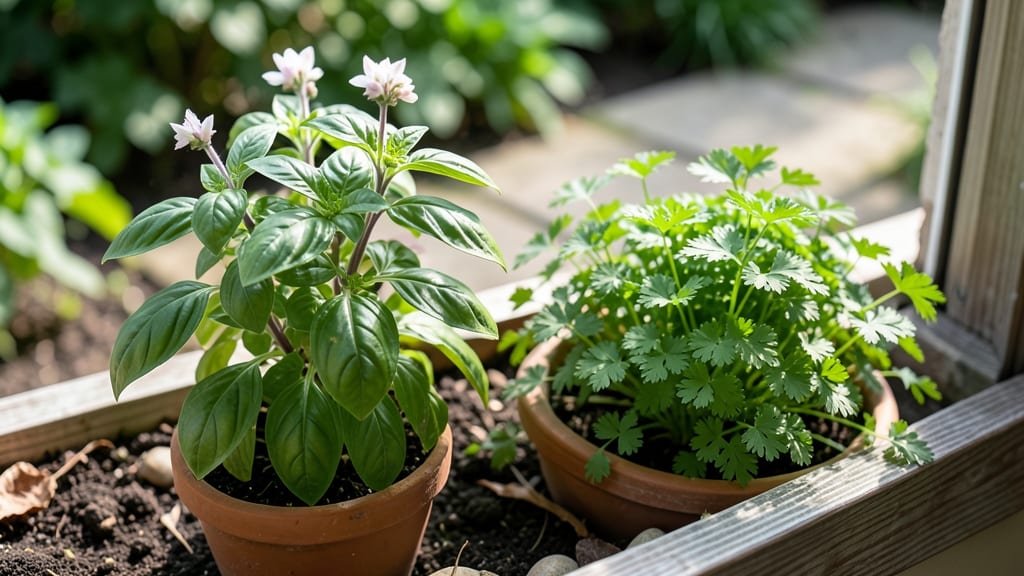
Herbs need sun or shade depending on the type—get it wrong, and you’ll end up with weak plants or bitter flavors instead of the vibrant, fragrant greens you crave.
Wondering whether your herb garden thrives in blazing sun or cozy shade? The answer isn’t one-size-fits-all—and getting it wrong can mean the difference between fragrant, flavorful herbs and sad, stunted plants.
Most herbs, like basil, rosemary, and thyme, demand 6+ hours of direct sunlight daily to reach their full potential, but a few, like mint and chives, can handle partial shade. Whether you’re growing in containers or in-ground, knowing the light needs of each herb ensures you harvest the best flavors.
Below, I break down which herbs crave sun, which tolerate shade, and how to adjust light conditions for optimal growth—so you can enjoy fresh, aromatic herbs all season long.
 Best Window Placement
Sunlight requirements for herbs: which herbs crave sun vs. tolerate shade
Herbs are famously finicky about sunlight, and getting their light needs right is the secret to bold flavors and vigorous growth. While some herbs bask in full sun all day, others thrive in partial shade or even dappled light.
Misjudge their needs, and you might end up with bitter basil, leggy parsley, or stunted mint. Let’s break down which herbs crave sun and which tolerate shade—and how to match them to your garden’s light conditions.
The key to successful herb gardening lies in understanding their native growing conditions. Mediterranean herbs like rosemary and oregano evolved under intense sunlight, while woodland herbs like chives and mint thrive in filtered shade.
Even within categories, there’s variation—cilantro bolts in heat but loves morning sun, while dill can handle partial shade better than full sun in hot climates.
Here’s the critical distinction: full-sun herbs (6+ hours of direct light) produce the most aromatic oils and flavorful leaves, while shade-tolerant herbs often grow slower but avoid wilting or bitterness.
For example, basil grown in shade tastes bland, but mint in full sun may become invasive and less fragrant. Let’s dive into the specifics with this handy guide.