
Light Requirements
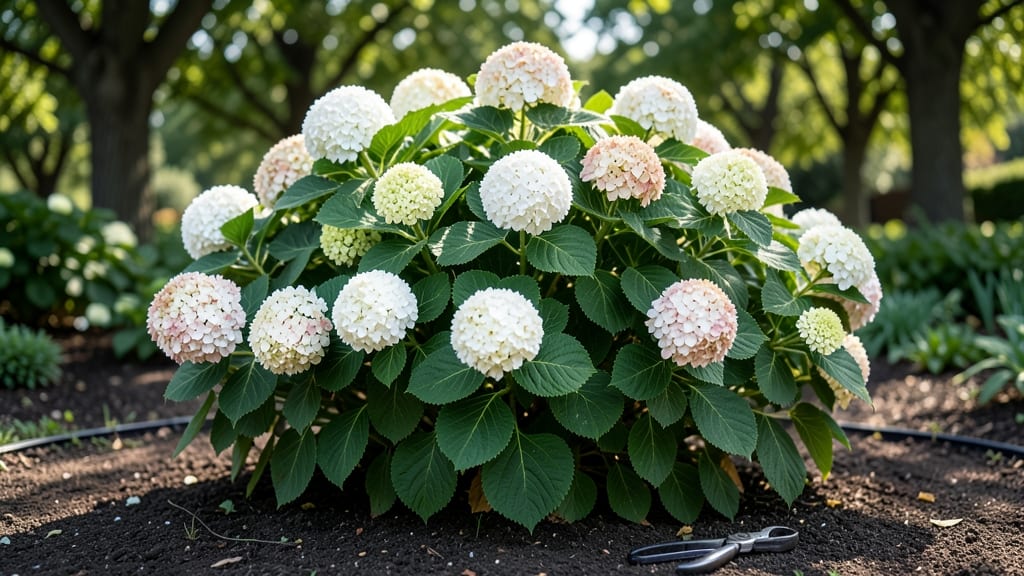
Full shade shrubs in Zone 5 don’t just survive—they thrive when you pick the right varieties. 🌿 My shady corner now bursts with lush foliage that would wilt in full sun, thanks to these hardy plants that love deep shade and cold winters.
The secret is choosing shrubs that naturally grow under trees or along north-facing walls, where light barely touches the soil.
Start with hydrangeas (like 'Annabelle' or 'Limelight'), inkberry holly (drought-tolerant once established), or foamflower for delicate white blooms in spring. These plants handle Zone 5’s cold snaps and soggy spring soil better than sun-loving varieties. Most need well-draining, slightly acidic soil—amend heavy clay with compost to keep roots happy.
Once planted, water deeply once a week (more in summer heat), and mulch heavily to protect roots from temperature swings. Prune in late winter or early spring before new growth starts—this keeps their shape tidy and encourages fresh foliage.
Within a year, you’ll have a shady oasis that’s green, vibrant, and full of life.
Zone 5’s biggest challenge? Too much moisture in shade. Elevate containers slightly, avoid overwatering, and choose shrubs with mildew-resistant leaves (like pieris or wintergreen). With the right picks, your shady spots will become the garden’s most underrated showstoppers.
📚 In This Guide
- What you need
- Instructions
- Tips and common mistakes
- Wrapping up and next steps
What you need
- ● Full shade-tolerant shrubs (Zone 5 hardy): 3–5 plants (e.g., Hydrangea macrophylla, Pieris japonica, or Daphne odora)
- ● Container sizes: 1–3 gallon pots (for smaller varieties) or 5+ gallon pots (for larger shrubs)
- ● Soil amendments: 5–10 lbs of peat moss or coconut coir (for moisture retention)
- ● 5–10 lbs of compost (to enrich soil)
- ○ Optional: 1 lb of slow-release fertilizer (10-10-10) (for nutrient boost)
- ● Tools: 1 garden trowel or spade
- ● 1 pruning shears (sterilized)
- ● 1 watering can (3–5 gallon capacity) or hose with gentle spray nozzle
- ● 1 gloves (gardening or work gloves)
- ● Location: A spot with less than 3 hours of direct sunlight daily (e.g., north-facing walls, under trees, or dense shade)
- ● Soil test: Check pH (ideal: 5.0–6.5 for most shade shrubs; adjust with lime or sulfur if needed)
- ○ Optional: Mulch (2–3 inches of pine bark or shredded leaves) to retain moisture
- ● Drip irrigation system (for automated watering)
- ● Shade cloth (if your area gets partial sun and you want to mimic full shade)
Step-by-step guide to planting full shade shrubs in Zone 5
Here's how to establish thriving shade-tolerant shrubs that'll bring structure and texture to your darkest corners.
🪴 Step 1: Test and Prepare the Soil
Full shade shrubs thrive when soil drains well and stays consistently moist but not waterlogged. Dig a hole twice as wide as the root ball but only as deep—planting too deep suffocates roots. Amend the native soil with 2-3 inches of compost mixed into the bottom and sides of the hole. Zone 5 shade gardens often have compacted clay, so adding organic matter improves aeration and moisture retention.
Use your fingers to check soil texture—it should crumble easily when dry but hold moisture without puddling. If your soil feels heavy or sticky, mix in 1 part perlite to 3 parts soil to improve drainage. Avoid working when soil is frozen or waterlogged; aim for early spring or fall when temperatures are mild.
🌱 Step 2: Select and Plant the Right Shrubs
For Zone 5 shade, focus on cold-hardy species like inkberry holly (Ilex glabra), dwarf fothergilla (Fothergilla gardenii), or Japanese painted fern (Athyrium niponicum). These tolerate less than 3 hours of direct sun daily and winter survival down to -20°F. Remove container-grown plants from their pots and gently loosen roots if they're circling.
Place the shrub in the hole so the top of the root ball sits 1 inch above ground level. This prevents soil from settling and smothering the stem. Backfill with the amended soil, pressing lightly to eliminate air pockets. Water deeply to settle the soil around roots—you'll see moisture bead up on the surface when it's properly hydrated.
💧 Step 3: Mulch and Water for Establishment
Spread 2-3 inches of wood chips or shredded bark mulch over the root zone, keeping it 3 inches away from the stem to prevent rot. Mulch conserves moisture and regulates soil temperature, which is critical in Zone 5's fluctuating seasons. Water immediately after mulching to help it settle and make contact with the soil.
Keep soil consistently moist for the first 2-3 weeks—check by sticking your finger 1 inch deep. If it feels dry, water slowly until moisture reaches 6 inches down. Avoid overhead watering, which can spread fungal diseases common in dense shade. After establishment, most shade shrubs need water only during prolonged dry spells.
☀️ Step 4: Monitor and Maintain Year-Round
Full shade shrubs need minimal pruning, but remove any dead or crossing branches in early spring before new growth begins. Watch for signs of stress like yellowing leaves—this often indicates poor drainage or root-bound conditions. If leaves appear pale, apply a balanced 10-10-10 fertilizer in spring to encourage healthy growth.
In Zone 5 winters, protect young shrubs from harsh winds by placing them on the leeward side of structures. Older plants handle cold well, but a 3-inch layer of mulch in late fall adds insulation. Prune lightly after flowering to maintain shape, but avoid heavy cuts that remove more than 25% of the plant at once.
Tips & tricks for thriving full shade shrubs in Zone 5
These practical insights will help you avoid common pitfalls and maximize the success of your shade garden's structural backbone.
Soil Preparation Secret: When amending the hole with 2-3 inches of compost, I like to mix in a handful of mycorrhizal fungi granules along with the compost. These beneficial fungi form symbiotic relationships with plant roots, enhancing nutrient uptake and drought tolerance—especially important for Zone 5's unpredictable spring rains and summer droughts. This one-time addition pays dividends for years.
Planting Depth Technique: The 1-inch elevation above ground level is critical, but here's what nobody tells you—use a level or straight board to verify this height before backfilling. I've seen many gardeners plant too deep because they eyeballed it, which leads to stem rot in our damp Zone 5 climate. A simple carpenter's level makes this foolproof.
Mulch Application Strategy: The 2-3 inch mulch depth is perfect, but here's my pro move: I always apply a 1-inch layer of coarse gravel or small rocks right after planting before adding the wood chips. This creates a capillary break that prevents soil-borne diseases from splashing up onto the stems during those heavy Zone 5 downpours we all love to hate.
Winter Protection Insight: For those first two winters, I take an extra precaution with young shrubs by wrapping the base with burlap after applying the 3-inch mulch layer. This creates an insulating barrier against our Zone 5's temperature swings—sometimes 50°F one day and -10°F the next. The burlap breaks down naturally and doesn't need removal.
Pro Tips for Full Shade Shrubs Zone 5
- These practical insights will help you avoid common pitfalls and maximize the success of your shade garden's structural backbone.
- Soil Preparation Secret: When amending the hole with 2-3 inches of compost, I like to mix in a handful of mycorrhizal fungi granules along with the compost.
- Planting Depth Technique: The 1-inch elevation above ground level is critical, but here's what nobody tells you—use a level or straight board to verify this height before backfilling.
Frequently asked questions
Got questions about thriving full-shade shrubs in Zone 5?
You’re not alone! Here are answers to the most common concerns—so you can confidently pick, plant, and care for shade-loving shrubs that actually survive (and even thrive) in low-light spots.
What are the most reliable full-shade shrubs for Zone 5 winters?
Zone 5’s harsh winters demand cold-hardy picks like inkberry holly, boxwood, or Japanese pieris. These shrubs tolerate temps down to -20°F and handle wet soil—perfect for deep shade. Pro tip: Look for labels marked “Zone 3-7” for extra insurance.
When is the best time to plant full-shade shrubs in Zone 5?
Plant in early spring (April–May) or early fall (September–October) to avoid summer heat or winter stress. Soil is workable, and shrubs establish roots before extreme temps. Skip late fall! Young roots can freeze before hardening off.
How often should I water full-shade shrubs in Zone 5?
Water deeply 1–2 times per week the first year to encourage root growth. Mature shrubs need less—just 1 inch of water weekly, especially during dry spells. Mulch heavily (3–4 inches) to retain moisture. Warning: Overwatering in shade can cause root rot!
Can I replace a struggling full-shade shrub mid-season?
Yes! If your shrub is yellowing, wilting, or dropping leaves, it might be overwatered or root-bound. Replace in early fall—just prune back dead growth, dig up the old plant, and pop in a new one. Bonus: Amend the soil with compost to give the replacement a nutrient boost.
What if my yard has too much shade for even these shrubs?
No problem! Try hostas, heucheras, or fern allies as understory plants. For deep, dark shade, opt for Japanese painted fern or Christmas fern—they’re tougher than you think! Light tip: Trim overhanging branches to let a little dappled light reach shrubs.
Still stumped?
Drop your Zone 5 shade struggles in the comments—we’ve got solutions!
Wrapping up and next steps
Transforming your Zone 5 garden into a lush, thriving full-shade oasis is easier than you think! With the right hardy shrubs, you can create stunning visuals and a welcoming space—even in low-light areas. Whether you’re a beginner or a seasoned gardener, these plants offer low-maintenance beauty and resilience.
Ready to take the next step? Start by sketching your garden layout, noting where shade is deepest, and selecting 2-3 shrubs from our list. Plant with confidence—your future shade garden will thank you! 🌿✨