
Tools
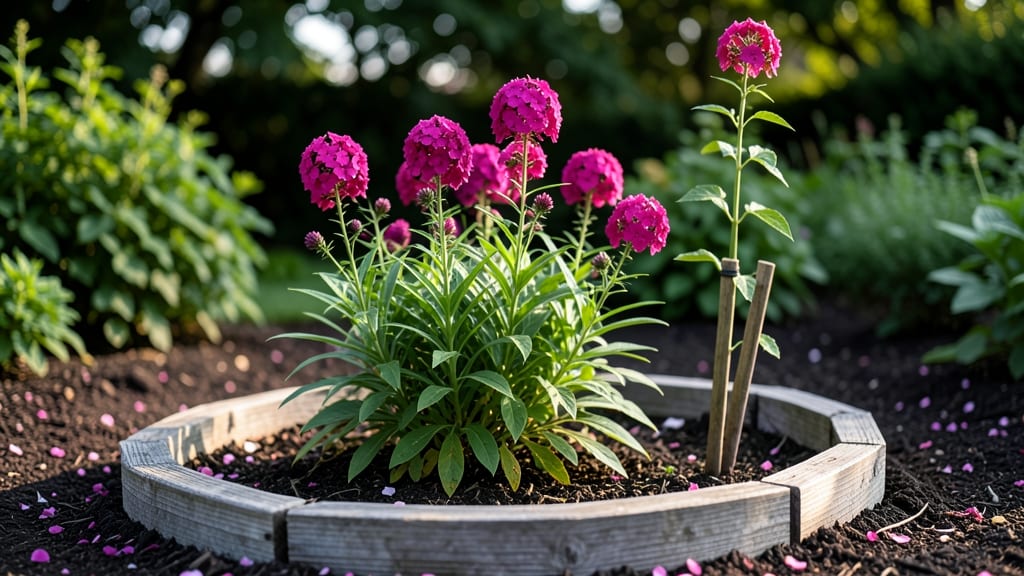
Garden phlox thrives in sun or shade—but only if you know the secrets. 🌸 My first year growing these showstoppers ended with floppy stems and sparse blooms because I ignored the light rules. The right variety in the right spot means foot-tall spikes of color instead of sad, leggy plants.
Sun-loving phlox like 'David' or 'Jeana' need at least 6 hours of direct sun daily, while shade-tolerant types like 'Blue Paradise' or 'Lavender Lace' do best with morning sun and afternoon shade. The soil makes all the difference too—moist but well-draining for sun, slightly richer in organic matter for shade.
Too much shade? You'll get fewer blooms. Too much sun? Heat stress wilts them before they peak.
With the right placement, you'll see blooms from midsummer through fall—three months of color that outshines most perennials. The key is matching variety to spot: border edges for sun, woodland gardens for shade.
Prune back in early spring to encourage bushier growth, and deadhead spent blooms to extend the season.
Even tricky spots work if you choose wisely. East-facing beds or dappled shade under trees? There's a phlox for that. Next time you're tempted to toss out a struggling plant, try relocating it—you might just uncover its perfect spot. The right light transforms phlox from "maybe" plants to garden superstars.
📚 In This Guide
- What you need
- Instructions
- Tips and common mistakes
- Wrapping up and next steps
What you need
- ● Garden phlox plants: 3–5 healthy nursery-grown plants (choose Phlox paniculata for sun or Phlox subulata for shade).
- ● Well-draining potting mix: 2–3 bags (1 cubic foot each) for containers or garden soil amended with compost (1 part compost to 2 parts soil).
- ● Organic fertilizer: Balanced 10-10-10 or slow-release granular (1 lb per 10 sq ft).
- ● Mulch: 2–3 inches of shredded bark or pine needles to retain moisture and suppress weeds.
- ● Garden trowel or hand shovel for planting.
- ● Pruners (clean, sharp pair) for trimming dead blooms.
- ● Garden gloves to protect your hands.
- ● Watering can or hose with a gentle spray nozzle (phlox loves consistent moisture!).
- ● Measuring tape or ruler for spacing (18–24 inches apart for full sun; 12–18 inches for shade).
- ● Support stakes or cages (6-inch metal or bamboo) for taller varieties.
- ● Slow-release fertilizer spikes for low-maintenance nutrition.
- ● Drip irrigation system to automate watering.
- ● Epsom salt (1 tbsp per gallon of water) for magnesium boosts in poor soil.
Step-by-step guide to planting and caring for garden phlox
Here's how to grow these showstopper flowers that handle sun or shade beautifully.
🌱 Step 1: Choose the Right Location and Prepare the Soil
Garden phlox thrives in well-draining soil with a slightly acidic to neutral pH (6.0-7.0). In full sun, they need at least 6 hours of direct light daily, while shade-loving varieties do best with morning sun and afternoon shade. I always test my soil first—phlox hates soggy roots, so amending with compost improves drainage.
Dig a hole twice as wide as the root ball but only as deep as the container it came in. Loosen the sides of the hole with a fork to encourage root spread. If your soil is heavy clay, mix in 2-3 inches of organic matter (like the compost you have on hand) to improve aeration. Phlox roots need room to breathe!
🪴 Step 2: Plant with Proper Spacing and Watering
Space plants 18-24 inches apart—this gives them room to grow into those lush, full clumps you love. I plant mine in small groups of 3-5 for a natural, cottage-garden look. Gently remove the plant from its container, tease the roots if they're circling, and place it in the hole so the top of the root ball sits just below soil level. Fill the hole with soil and firm it lightly around the base.
Water deeply right after planting—this helps settle the soil and eliminates air pockets. Use 1-2 gallons of water per plant (depending on pot size) and keep the soil evenly moist for the first 2 weeks. You'll know it's right when the top inch feels damp but not soggy. Mulch with 2-3 inches of shredded bark to retain moisture and suppress weeds—just keep it 2 inches away from the stems to prevent rot.
☀️ Step 3: Provide Consistent Care for Stunning Blooms
Phlox needs regular watering—about 1 inch per week—but never let them sit in wet soil. In hot, dry climates, you may need to water 2-3 times weekly. I check by sticking my finger 1 inch deep; if it's dry, it's time to water. Fertilize once in early spring with a balanced, slow-release fertilizer (10-10-10)—follow the package rate, but don’t overdo it. Too much nitrogen means fewer flowers!
Deadhead spent blooms weekly to encourage more flowers. I pinch off faded stems just above a set of leaves—this redirects energy to new growth. In late fall, cut back stems to 2-3 inches tall and add a 2-inch layer of mulch to protect roots over winter. Phlox is hardy in zones 3-9, but a little winter prep keeps them thriving for years.
✂️ Step 4: Divide and Renew for Long-Term Health
Every 3-4 years, phlox clumps get crowded and bloom less vigorously. That’s your cue to divide in early spring or fall. Dig up the entire clump, rinse off the soil, and separate it into 3-5 inch sections with roots attached. Replant the best-looking divisions immediately, spacing them 18-24 inches apart. This rejuvenates the plants and gives you free extra blooms for friends!
Here’s the thing—don’t skip dividing. Overcrowded phlox gets leggy, blooms poorly, and invites disease. After dividing, water deeply and apply a light layer of compost to help roots establish. You’ll see stronger growth and even more dramatic blooms the following season.
Tips & tricks for perfect garden phlox planting and care
Here's what I've learned after years of growing phlox—these tricks will help you avoid common pitfalls and get the most vibrant blooms.
Soil Prep Secret: Before planting, mix a handful of perlite or coarse sand into the bottom of your planting hole if your soil is heavy. This creates instant drainage channels that phlox roots love. I've seen soggy soil turn phlox into a sad, wilted mess—this one step prevents that. The 2-3 inches of organic matter mentioned in Step 1 is perfect for breaking up clay, but add perlite for extra insurance in tight soils.
Planting Depth Tip: When placing your phlox, make sure the top of the root ball sits just below soil level—this prevents the stem from rotting while keeping roots cool. I use a small stick as a marker to check depth before filling in. If you bury it too deep, you'll get leggy stems and fewer blooms.
Watering Wisdom: That 1-2 gallons of water per plant after planting should soak the soil to a depth of 6-8 inches. Use a garden trowel to check—if the soil 2 inches down is dry, you need more water. The first two weeks are critical for root establishment, so don't skimp. A soaker hose makes this easy and prevents leaf diseases from overhead watering.
Dividing Strategy: When it's time to divide those 3-4 year old clumps, look for sections with at least 3-5 inches of roots and 2-3 healthy shoots. The larger the root system, the faster they'll establish. I always divide in early spring when new growth starts—this gives roots time to settle before summer heat arrives. After replanting, water deeply every other day for two weeks to encourage root spread.
Pro Tips for Garden Phlox Sun Or Shade
- Here's what I've learned after years of growing phlox—these tricks will help you avoid common pitfalls and get the most vibrant blooms.
- Soil Prep Secret: Before planting, mix a handful of perlite or coarse sand into the bottom of your planting hole if your soil is heavy.
- Planting Depth Tip: When placing your phlox, make sure the top of the root ball sits just below soil level—this prevents the stem from rotting while keeping roots cool.
Frequently asked questions
Got questions about growing garden phlox in sun or shade? You’re not alone! Here are answers to the most common concerns to help you grow vibrant blooms with confidence.
Can garden phlox really grow in full sun?
Yes! While many varieties thrive in partial shade, some phlox types (like Phlox paniculata) love full sun—especially in cooler climates. Just ensure they get consistent moisture to prevent wilting. In hot regions, afternoon shade helps them flourish longer.
What’s the best shade condition for phlox?
Phlox prefers partial shade (3–6 hours of sun daily), especially in hotter zones. Dappled sunlight or morning sun with afternoon shade works best. Avoid deep, dense shade—it can lead to leggy growth and fewer blooms.
When is the best time to plant phlox?
Plant phlox in early spring or early fall for the best results. This gives roots time to establish before extreme heat or cold. If transplanting mature plants, water deeply afterward to reduce shock.
Why are my phlox leaves turning yellow or spotted?
Yellowing or spotted leaves often signal powdery mildew (common in humid conditions) or aphids. Improve airflow, water at the base (not overhead), and spray with neem oil if needed. Resistant varieties like ‘David’ or ‘Lipstick’ help prevent issues.
Are there shade-tolerant alternatives to phlox?
If phlox struggles in your space, try astilbes (ferns + flowers), heucheras (colorful foliage), or ajuga (ground cover). These thrive in shade and add texture/color too!
Wrapping up and next steps
Whether you're basking in full sun or nestled in shady spots, garden phlox is your go-to for vibrant, low-maintenance blooms! 🌸 With the right variety and care, these hardy plants will reward you with months of color—proving that stunning gardens aren’t picky about sunlight.
Ready to transform your space? Grab your gloves, pick your phlox, and start planting—your future garden will thank you!
Next step: Sketch a quick layout of your garden beds or containers, then browse phlox varieties to match your sunlight and style. Happy gardening!