
Orchid Care
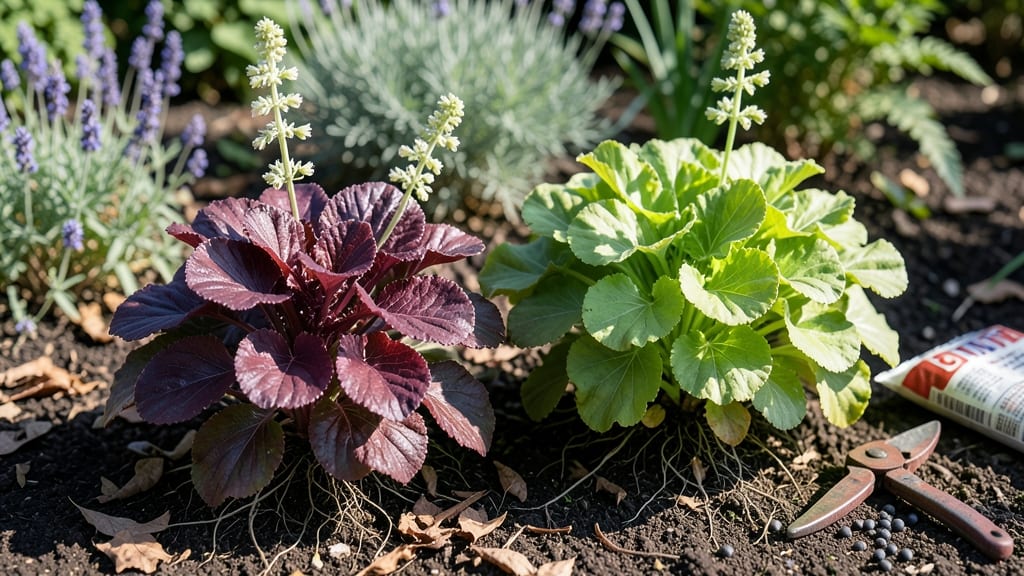
Growing heuchera in sun or shade depends entirely on the variety you choose — and picking the wrong one can turn vibrant foliage into a sad, sun-bleached mess.
Coral bells 🌸 are famous for their bold, ever-changing leaves, but not all varieties handle full sun the same way. Some thrive in bright light, while others fade or scorch without shade.
The key? Matching the plant to your garden’s natural conditions — and knowing which types will keep their stunning colors year-round.
In this guide, I’ll break down the best sun-loving and shade-tolerant heuchera types, including care tips to keep them lush and healthy. Whether your yard is a sunbaked patio or a shady woodland edge, there’s a coral bell perfect for it.
You’ll also discover how to transition plants between light conditions without shocking their roots, plus common mistakes that dull their foliage. Ready to find the ideal heuchera for your space?
 Best Window Placement
Best heuchera varieties for full sun exposure and their care needs
Not all heuchera varieties can handle full sun exposure, but some stunning cultivars thrive with 3-6 hours of direct sunlight daily. The key is selecting heat-tolerant varieties and providing proper soil moisture and mulching to prevent scorching.
These sun-loving heuchera varieties bring vibrant foliage to bright garden spots while requiring minimal extra care beyond consistent watering.
When choosing sun-tolerant heuchera, prioritize varieties with thicker leaves and silvery or chartreuse hues, as these reflect sunlight better. Avoid deep purple or black varieties, which are prone to leaf burn in intense sunlight.
Always check the USDA hardiness zone compatibility (most sun-loving heuchera thrive in zones 4-9) before planting.
Comparison Table: Top Sun-Tolerant Heuchera Varieties
'Lime Rickey' stands out as the most sun-adaptable variety, boasting chartreuse leaves that stay vibrant even under 3-6 hours of direct sunlight. To maintain its color, water deeply 2 times per week and apply a 2-inch mulch layer of straw to retain moisture.
This variety thrives in USDA zones 4-9, making it ideal for northern and southern gardens alike.
For morning sun exposure, 'Berry Smoothie' offers silver-pink foliage that glows beautifully in filtered light. Protect it from afternoon heat by placing it near a shade cloth or under a dappled tree canopy.
Its leaves naturally reflect sunlight, reducing the risk of leaf burn while adding a modern touch to containers or borders.
Soil preparation is critical for sun-loving heuchera. Amend your garden bed with compost and perlite to create well-draining soil that prevents root rot. Aim for a pH between 6.0-7.0, as heuchera prefers slightly acidic to neutral conditions.
Test your soil before planting to avoid pH-related stress that weakens sun tolerance.
Pruning plays a vital role in maintaining sun-exposed heuchera. Remove yellowed or damaged leaves in early spring to encourage new growth. Cut back overly leggy stems by one-third to promote bushier foliage.
Avoid heavy pruning in summer, as this can stress the plant during peak sunlight hours. Always use sterilized shears to prevent disease spread.
Mulching is another essential practice for sun-loving heuchera. Apply a 2-3 inch layer of organic mulch (like shredded bark or straw) around the base to lock in moisture and regulate soil temperature.
Replenish mulch annually, especially in hot, dry climates, to protect roots from temperature fluctuations that can cause stress.
Monitor your heuchera for signs of heat stress, such as crispy leaf edges or bleached foliage. If you notice these symptoms, move the plant to a shadier spot temporarily and increase watering frequency.
Most sun-tolerant varieties recover quickly with proper care, but persistent stress may require relocating the plant to a more suitable
Shade-loving heuchera types: how to maximize foliage color in low-light gardens
If your garden hides in the shade, don’t despair—heuchera thrives there! These foliage superstars come in deep purples, velvety blacks, and even silvery hues that intensify in low light. The secret?
Choosing shade-tolerant varieties and understanding how light deprivation triggers their most dramatic color shifts. Let’s dive into the best shade-loving heuchera and how to make them pop in your darkest corners.
For maximum foliage drama, prioritize varieties like 'Palace Purple' (a deep plum with chartreuse edges) or 'Plum Pudding' (rich burgundy-black leaves). These low-light champions don’t just survive in shade—they thrive, with colors deepening as sunlight fades.
Even silver varieties like 'Silver Scrolls' shine in partial shade, their metallic sheen catching every dappled ray.
🌿 Top 5 Shade-Loving Heuchera Tips for Bold Foliage
- 1. Pick the right variety: 'Palace Purple', 'Plum Pudding', and 'Black Beauty' are shade specialists with intense colors.
- 2. Use containers: Terracotta pots prevent root rot in moist shade and let you rotate plants for even light.
- 3. Pair with hostas: Hostas and ferns complement heuchera’s bold leaves while sharing similar shade needs.
- 4. Feed lightly: A balanced fertilizer (10-10-10) in early spring boosts foliage vibrancy without sun-scorch risk.
- 5. Prune strategically: Remove old leaves in early spring to encourage fresh growth and brighten colors.
Container gardening is a game-changer for shade lovers. Terracotta pots wick away excess moisture (critical in low-light areas), while well-draining mixes with perlite or orchid bark prevent root suffocation.
Place your heuchera containers near east-facing windows or under tree canopies—just avoid deep, dark corners where colors fade to muddy browns.
Did you know light deprivation actually enhances heuchera’s colors? In partial shade, leaves produce more anthocyanins (the pigments behind deep purples and reds). For maximum impact, position your shade-loving varieties where they get morning sun and afternoon shade.
This light balance keeps foliage lush and vibrant all season long.
Companion planting elevates shade gardens. Pair heuchera’s bold leaves with airy ferns or textured hostas to create layered interest. Even low-growing astilbes add plume-like flowers that contrast beautifully with heuchera’s sculptural forms.
Pro tip: Mulch with shredded bark to lock in moisture and keep roots cool in hot, shaded spots.
Watch your heuchera’s colors shift with the seasons! In spring and fall, morning sunlight brings out brighter hues, while summer’s indirect light deepens purples and blacks. To prolong color intensity, prune lightly in late summer to stimulate fresh growth before fall’s cooler temps.
With these shade-smart tips, your low-light garden will be the jewel of the neighborhood.