
Light Requirements
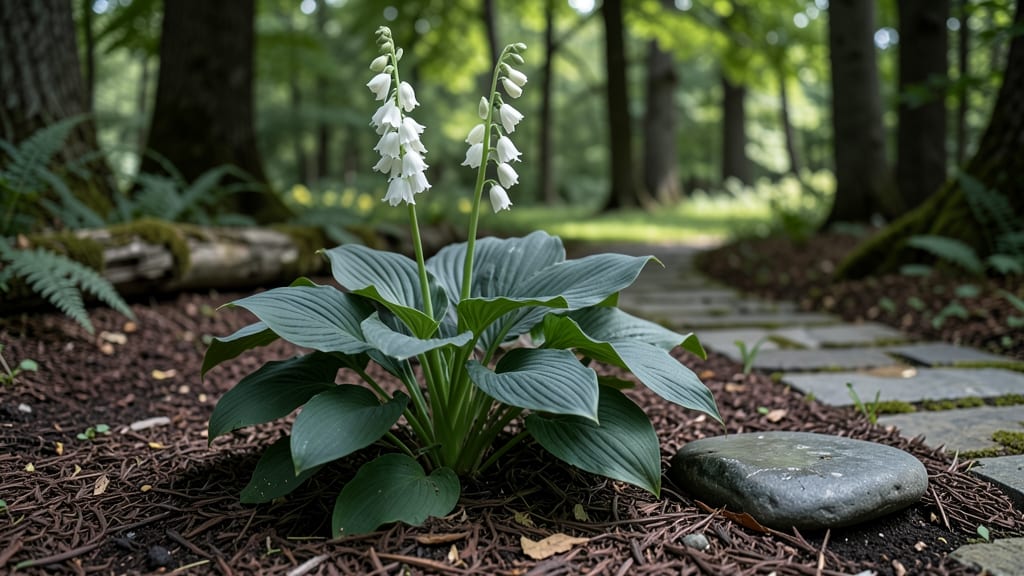
Shade-tolerant hostas thrive in deep shadows with varieties like 'Blue Angel,' 'Francee,' and 'Patriot,' offering lush foliage and minimal sun requirements. Choose based on leaf color and texture for year-round interest in low-light gardens.
Hostas are nature's perfect shade lovers because their broad leaves capture even faint light efficiently. 🌿 The key lies in their chlorophyll—these plants produce more of it in low light, which is why their foliage often appears darker or more vibrant in shady spots.
I've noticed that hostas with deeper purple or blue hues, like 'Patriot,' actually intensify their color when sunlight is scarce, creating stunning contrast against dark garden beds. This adaptability makes them ideal for areas under trees or on north-facing walls where other plants struggle.
When selecting varieties, consider both leaf texture and color retention. For instance, 'Halcyon' maintains its striking blue-green tones even in deep shade, while 'Guacamole' delivers bold chartreuse foliage that pops against darker surroundings. 💫 The trade-off?
Some hostas may grow slower in low light, so pairing them with slower-growing companions like ferns or astilbes creates balanced, low-maintenance garden layers.
Just remember: the deeper the shade, the more critical it is to choose hostas with naturally thick leaves—they're better equipped to handle moisture buildup that often accompanies shady conditions.
💡 In This Article
- Why Hostas Excel in Low-Light Gardens
- Selecting the Best Shade-Tolerant Hostas by Foliage Type
Why hostas excel in low-light gardens
Hostas thrive in shade because their broad leaves contain a high concentration of chlorophyll, allowing them to efficiently capture even minimal light. In low-light conditions, hostas produce more chlorophyll than sun-loving plants, which is why their foliage often appears darker and more vibrant.
This adaptation is particularly noticeable in varieties like 'Blue Angel,' where the deep blue-green leaves intensify in shade, creating a stunning contrast against darker garden beds. 🌿 The trade-off? Their growth rate naturally slows, which can be advantageous in crowded garden spaces.
The science behind this adaptability involves how hostas manage their energy production. Unlike sun-loving plants that rely on direct sunlight for photosynthesis, hostas optimize their leaf structure to maximize light absorption. Their thick, waxy leaves reduce water loss while maintaining a large surface area for capturing faint light.
Additionally, hostas with variegated foliage—like 'Francee'—often reveal their true colors more vividly in shade, as the green chlorophyll becomes less dominant. This is because the white or yellow variegation contains less chlorophyll, allowing the underlying pigments to stand out more clearly when sunlight is limited.
Another key factor is the pigment adaptations in hostas. Many shade-tolerant varieties contain anthocyanins, the same pigments that give red wine its color. These pigments not only enhance the visual appeal of the leaves but also provide protection against UV radiation, which can be more intense in shady, reflective environments.
For example, 'Patriot' hostas develop deeper purple hues in low light, a direct result of increased anthocyanin production. This natural sunscreen effect helps the plant maintain its health even when sunlight is scarce. 💫
Hostas also benefit from their slow growth rates in shaded environments. Unlike fast-growing annuals that require constant sunlight, hostas develop gradually, conserving energy for leaf production rather than rapid expansion. This makes them ideal for understory planting, where competition for light is fierce.
Their deep root systems allow them to access moisture and nutrients from deeper soil layers, further supporting their ability to thrive in low-light conditions. This slow-and-steady approach results in plants that remain lush and healthy for years with minimal care.
Consider the leaf size as another adaptation. Hostas in deep shade often develop larger leaves to maximize light capture, while those in partial shade may have slightly smaller but thicker leaves.
For instance, 'Guacamole' hostas maintain their bold chartreuse coloration even in the darkest corners of the garden, thanks to their naturally thick foliage. This structural adaptation helps them retain moisture and resist damage from occasional shade-related humidity fluctuations.
The combination of these botanical features—chlorophyll efficiency, pigment adaptations, and slow growth—makes hostas the ultimate shade garden superstars. ✨
What's particularly fascinating is how hostas respond to different shade intensities. In partial shade (3-6 hours of sunlight), they grow more vigorously and may produce more flowers, while in deep shade (less than 3 hours), they focus entirely on leaf development.
This flexibility allows gardeners to use hostas in virtually any shaded area, from the base of trees to north-facing foundations. The key is selecting varieties that match the specific light conditions of your garden space.