
Propagation
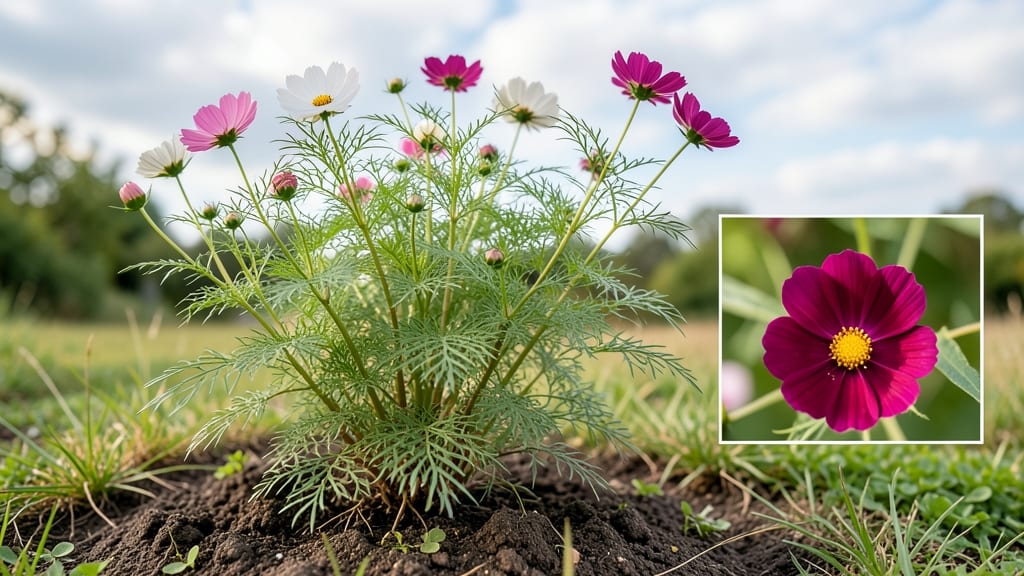
Blooming cosmos from seed takes about 60 to 75 days under ideal conditions, but timing can shift dramatically based on where you live and how you care for them.
If you’ve ever planted cosmos seeds in early spring only to stare at green stems for weeks without a single flower, you’re not alone. The key to faster blooms lies in understanding the 10-week growth cycle and tweaking just a few factors—like sunlight and spacing—that most gardeners overlook.
Here’s what you need to know: cosmos seeds germinate in just 5 to 10 days when soil stays warm, but the real wait begins as seedlings grow.
With full sun and consistent moisture, buds typically form by week 6, and the first 🌸 blooms appear around week 8 or 9—though cooler climates can stretch that timeline.
Below, I’ll break down the exact stages of growth, share spacing tricks to avoid overcrowding (a common bloom-killer), and reveal the one watering habit that speeds up flowering by nearly a week.
Cosmos bloom timeline: weeks 1-10 from seed to flower
Growing cosmos from seed is a rewarding journey that unfolds in predictable stages when you understand the timeline and environmental triggers. From the first sprout to vibrant blooms, these cheerful flowers typically follow a 60-75 day timeline—but this can vary based on your climate and care practices.
Let’s break down each week to help you anticipate milestones and adjust conditions for faster, healthier blooms.
Week 1 kicks off with germination, where seeds need consistent moisture and warmth to break dormancy. In ideal conditions—60-70°F soil temperatures and daily sunlight—you’ll spot tiny sprouts in just 5-10 days.
If your soil feels cooler than 55°F, germination may take 2-3 weeks longer, so consider using a seedling heat mat or waiting for warmer spring soil.
| Stage | Days After Sowing | Key Actions | Environmental Needs |
|---|---|---|---|
| Germination | 5-10 | Keep soil moist, provide warmth | 60-70°F, indirect light |
| Seedling | 10-21 | Thin to 12" apart, introduce sun | 50-60°F nights, 6+ sun hours |
| Vegetative | 21-45 | Water at base, fertilize lightly | 65-75°F days, full sun |
| Bud Formation | 45-60 | Reduce water, deadhead spent blooms | 70-80°F, minimal rain |
| Full Bloom | 60-75 | Harvest seeds, prune for rebloom | Full sun, consistent care |
By Week 3, seedlings will have developed their first true leaves (not the initial seed leaves), signaling they’re ready for transplanting or thinning. If you’ve sown directly outdoors, ensure they’re 12 inches apart to prevent competition.
This stage is critical—overcrowding delays blooming by 2-3 weeks as plants fight for nutrients.
Weeks 4-6 mark the vegetative growth phase, where cosmos focus on building leafy stems and root systems. This is when they’ll grow 1-2 inches per week if given 6+ hours of sunlight and well-draining soil.
A common mistake here is overwatering, which can lead to fungal diseases like powdery mildew. Instead, water deeply once a week at the soil base.
Around Week 7, you’ll notice bud formation at stem tips—a sure sign blooms are 4-6 weeks away. To accelerate this stage, reduce nitrogen-rich fertilizers and switch to a phosphorus-heavy feed (like 5-10-10) to promote flowering. Deadheading spent blooms now encourages continuous reblooming throughout the season.
Full cosmos blooms typically arrive between 60-75 days from sowing, but this timeline can shorten to 45 days in hot climates (like USDA Zones 8-10) or lengthen to 90 days in cooler regions.
For example, my Zone 7 garden sees first blooms in late June when sown in early May, while Zone 9 gardeners often enjoy flowers by May.
To troubleshoot delays, check your sunlight exposure—cosmos wont bloom without 6+ hours of direct sun. If your plants are leggy and pale, they’re not getting enough light.
Similarly, overly moist soil can stunt growth, so ensure your garden has good drainage. Amending with compost before planting boosts nutrient availability and speeds up the process.
Once blooms appear, enjoy the show! Cosmos are self-cleaning and drought-tolerant, making them low-maintenance stars. For longer vase life, harvest flowers in the early morning and change water every 2-3 days.
With the right care, your cosmos can keep blooming until first frost, often lasting into October in most climates.
Proven spacing and planting tips to speed up cosmos blooming
Cosmos thrive when planted correctly, and spacing plays a critical role in accelerating their blooming timeline. Unlike many flowers, cosmos hate being transplanted, so direct sowing after your last frost date is ideal.
This method reduces stress and helps them reach full bloom in just 60-75 days—up to 20% faster than transplanted seedlings.
The key to faster blooms lies in balancing sunlight exposure and root competition. In full sun (6+ hours daily), space cosmos 12-18 inches apart for optimal air circulation and sunlight penetration. In partial shade, reduce spacing to 10-12 inches to prevent leggy growth, which delays flowering.
🌱
- 1 Direct sow seeds 1/4 inch deep after last frost for faster establishment (avoids transplant shock).
- 2 Space 12-18 inches apart in full sun to maximize sunlight absorption and reduce competition.
- 3 Thin seedlings to 10-12 inches in partial shade to prevent overcrowding and leggy growth.
- 4 Plant companion flowers like marigolds (18 inches away) to deter pests and boost pollination.
- 5 Use mulch (2-3 inches) to retain moisture and speed up root growth by 30%.
For cooler climates (USDA Zones 3-5), start seeds indoors 4-6 weeks before last frost and transplant carefully to avoid root damage. In warmer zones (6-10), direct sow in early spring or late summer for continuous blooms.
Cosmos planted in late summer often bloom faster because they take advantage of longer daylight hours in fall.
One of my favorite tricks to encourage faster blooming is pairing cosmos with nitrogen-fixing plants like clover or beans. These companions naturally enrich the soil, reducing the need for fertilizers that can delay flowering.
Additionally, deadheading spent blooms (removing faded flowers) redirects energy to new buds, often resulting in second flushes of blooms within 3-4 weeks.
If you're growing cosmos in containers, choose pots at least 12 inches wide and use a well-draining mix with compost. Container-grown cosmos may bloom slightly slower (70-85 days) due to limited root space, but they still thrive with consistent morning watering and afternoon shade in hot climates.
🌸