
Light Requirements
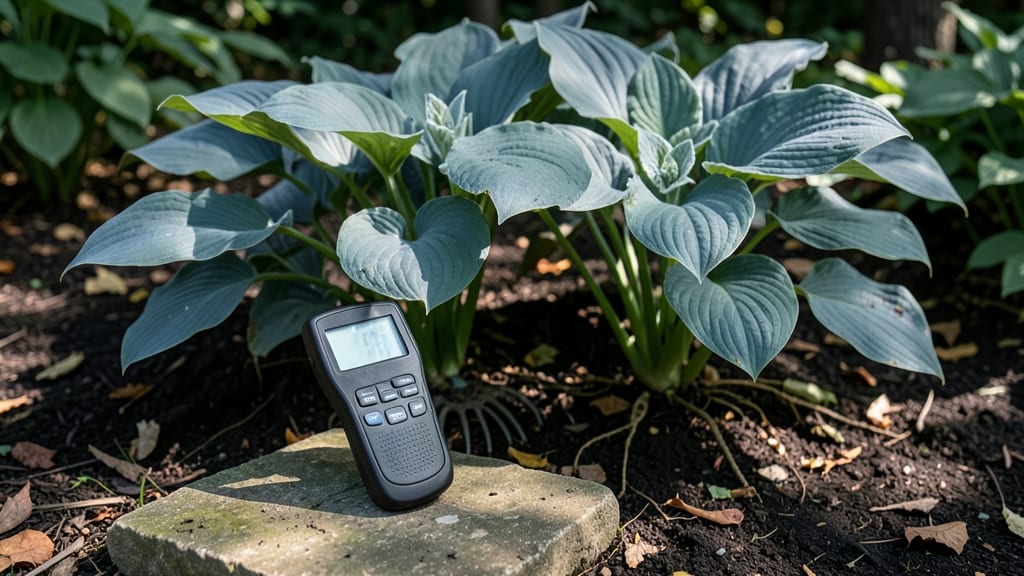
Partial shade requires 3 to 6 hours of direct sunlight daily, with the rest of the day in filtered or dappled light. This light balance protects plants from harsh midday sun while still providing enough energy for healthy growth.
Understanding partial shade means recognizing how sunlight varies throughout the day. 🌿 The 3-6 hour rule comes from how plants handle light intensity—too little means weak growth, but too much risks leaf burn. Morning sun (cooler and less intense) is ideal, while afternoon rays can scorch delicate foliage.
Seasonal shifts matter too: winter sunlight lasts shorter hours, so your 3-hour minimum might need adjustment depending on your climate. For example, plants in northern regions often need slightly more light in winter to compensate for weaker winter sun.
This light range works perfectly for plants like hostas or impatiens, which thrive without full sun. The key is mimicking nature's dappled light—think of a forest floor where sunlight filters through leaves.
In containers, use sheer curtains or plant taller species nearby to create natural shade. Even a 50% shade cloth can help regulate exposure during peak sun hours.
💡 In This Article
- How Sunlight Hours Define Partial Shade for Plant Growth
- Best Plants for 3-6 Hours of Sunlight and Care Tips
How sunlight hours define partial shade for plant growth
The 3-6 hour rule for partial shade isn't arbitrary—it's rooted in how plants process light energy.
Sunlight intensity varies dramatically by time of day: morning light (especially before 10 AM) is cooler and less damaging, while midday sun (after 11 AM) can reach 1,000+ foot-candles of light intensity—enough to scorch leaves.
Plants in partial shade typically receive 200-500 foot-candles during their direct sun windows, which is perfect for photosynthesis without causing oxidative stress. 🌞 This range allows chlorophyll to work efficiently while preventing the buildup of harmful reactive oxygen species that occur in full sun.
The angle of sunlight plays a crucial role too. In summer, the sun follows a higher arc, meaning even 3 hours of morning sun might feel more intense than the same duration in winter when the sun sits lower.
This is why northern exposures (facing north in the southern hemisphere) often qualify as partial shade—those walls receive only indirect light. Conversely, southern exposures get more direct rays, so you might need to reduce direct sun exposure to 3 hours or less for sensitive plants.
Seasonal adjustments are key: in winter months, when daylight lasts 8-10 hours but sunlight is weaker, your 3-hour minimum might need to stretch to 4-5 hours to compensate.
What most gardeners overlook is how light duration affects plant physiology. Photosynthesis peaks at 500-1,000 foot-candles—the range most partial-shade plants experience—but prolonged exposure beyond 6 hours can trigger heat stress.
This is why plants like hostas or heucheras develop their signature deep colors in partial shade: they produce more anthocyanins (pigments) as a protective response to moderate light stress. 🌿 The 3-6 hour window gives these plants just enough energy to grow while avoiding the metabolic overload that comes with full sun.
Light quality matters just as much as quantity. Partial shade often includes diffused light—sunlight filtered through leaves or clouds—which contains more blue and red wavelengths (critical for photosynthesis) while reducing harmful UV radiation. Think of it like wearing sunglasses: you still get light, but without the intensity.
This is why dappled shade (light that moves across leaves) is ideal—it mimics natural forest understory conditions where plants evolve to thrive. In containers, you can recreate this by placing plants 1-2 feet under trees or using 30-50% shade cloth during peak afternoon hours.
Here's a practical way to visualize it: imagine a clock face representing a sunny day. 6 AM to 9 AM (3 hours) could be direct morning sun, while 9 AM to 6 PM (9 hours) would be filtered light under a tree canopy.
This 1:3 ratio of direct to indirect light is the golden standard for partial shade. The 3-hour minimum ensures plants get enough energy for growth, while the 6-hour maximum prevents heat damage.
In practice, this means positioning plants where they get morning sun but afternoon shade—like near a north-facing wall or under a deciduous tree that sheds leaves in winter.
One common mistake is assuming all partial shade spots are equal. A north-facing window might provide only 1-2 hours of direct light daily, while a south-facing patio with afternoon shade could deliver 5-6 hours.
The key is observing your space: use a light meter or simply watch how shadows move. If leaves turn yellow or crisp at the edges, you're likely exceeding the 6-hour limit.
Conversely, if growth is leggy and pale, you might need to increase direct light to 4-5 hours during shorter winter days. 🌱