
Companion Plants
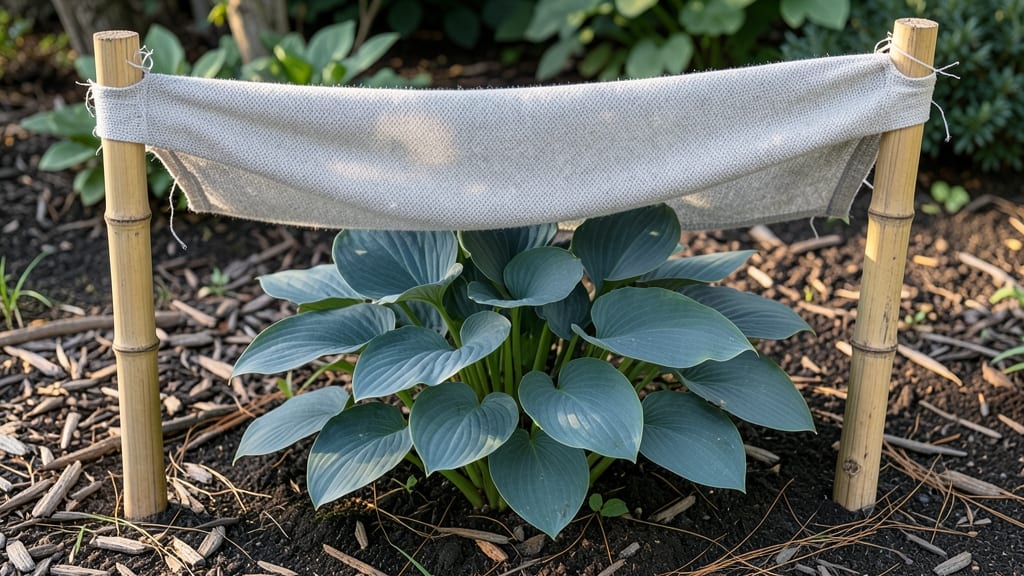
Shading plants from hot sun isn’t just about slapping up a tarp—it’s about creating the perfect dappled light dance that keeps foliage lush and roots cool. 🌿 I learned the hard way when my tomato plants turned crispy after a sudden shade experiment (more on that later).
The key is gradual adjustment and smart materials that mimic natural shade patterns without smothering growth.
You’ll need lightweight fabrics, shade cloth, or even strategically placed trellises to filter sunlight. A 30-50% shade cloth works wonders for heat-sensitive plants like basil or lettuce, while taller plants can handle 20% shade—think of it like sunglasses for your garden.
The goal is to reduce intensity, not block all light completely.
By the end, your plants will look like they’re basking in ideal conditions—not wilting or bleaching. You’ll spot the difference in 2-3 weeks: deeper green leaves, fewer sunburnt patches, and plants that actually thrive in summer. Even my once-scorched peppers are now producing like champions.
This works for containers, raised beds, or in-ground gardens—just adjust the timing based on your climate. Hot afternoons? Add shade then. Coastal breeze? Lightweight materials work best. Let’s keep those plants happy without turning your yard into a greenhouse.
📚 In This Guide
- What you need
- Instructions
- Tips and common mistakes
- Wrapping up and next steps
What you need
- ● Shade cloth or fabric: 30%–50% shade cloth (light to medium coverage, ideal for most plants) – 10–20 sq. ft. per plant or section
- ○ Optional: 50%–70% shade cloth for delicate plants (e.g., tropicals or seedlings)
- ● Support structures: Bamboo stakes or wooden posts (4–6 ft. tall) – 2–4 per section, depending on size
- ● OR PVC pipes (½"–1" diameter) – cut to desired height
- ● OR metal hoops (pre-made or DIY from wire)
- ● Fasteners: Staple gun + heavy-duty staples (for securing fabric to stakes/hoops)
- ● OR zip ties (for temporary setups)
- ● OR bungee cords (for adjustable shade)
- ● Measuring tape (to ensure even coverage)
- ● Scissors or utility knife (for cutting fabric/cloth)
- ● String or twine (for tying structures together)
- ● Landscape fabric (to prevent weeds under shade structures)
- ● Decorative netting or lace (for a prettier, airy look)
- ● Retractable shade sails (for movable, adjustable shade)
- ● Paint or spray paint (to customize stakes/hoops for aesthetics)
- ● Garden clips or clothespins (for quick fabric adjustments)
Step-by-Step guide to creating DIY shade solutions for sun-sensitive plants
Here's how to protect your plants from scorching heat using simple, effective shade techniques.
🌿 Step 1: Assess Your Plants' Light Requirements
First, identify which plants need shade and how much. Most tropical plants, like ferns, calatheas, and impatiens, thrive in dappled shade—filtering 30-50% of direct sunlight. Observe your garden: plants with crispy leaf edges or wilted foliage are screaming for relief.
Move plants gradually if they're currently in full sun. Sudden shade can shock them—think of it like sunburn in reverse. Start by placing them under 50% shade cloth for a week, then adjust based on their response. You'll know it's working when new growth appears vibrant and leaves stay plump, not leathery.
☀️ Step 2: Choose the Right Shade Material
For temporary shade, white or silver shade cloth is your best bet—it reflects heat while allowing 30-50% light penetration. Stretch it loosely over a frame or trellis to avoid trapping moisture against leaves. Avoid black cloth; it absorbs heat and can cook your plants.
For permanent solutions, consider lattice panels or perforated metal screens—they create natural dappled light patterns. If you're working with young seedlings or delicate foliage, a lightweight fabric row cover (like Agribon) works wonders. The key is airflow: plants need to breathe, even in shade.
🪴 Step 3: Install Shade Structures Strategically
Position shade above the plants, not beside them—this prevents wind damage and ensures even coverage. For small pots, use individual shade umbrellas (like those for patio dining) with 30% shade rating. For garden beds, construct a freestanding frame with PVC pipes and zip ties for adjustable height.
Angle the shade slightly (10-15 degrees) to mimic natural canopy light. If using shade cloth, secure it loosely—tight fabric traps heat. Test your setup on a cool morning to avoid sudden temperature swings. Watch for condensation buildup; if water droplets form, adjust the angle or add airflow.
✂️ Step 4: Monitor and Adjust for Optimal Conditions
Check plants daily for signs of stress. Yellowing leaves? Too much shade. Wilting or crispy edges? Not enough. Most shade-loving plants prefer morning sun and afternoon shade—adjust your setup to block the hottest hours (11 AM–3 PM). Use a thermometer to monitor leaf temperature; ideal range is 70-85°F.
Rotate shade structures weekly to prevent uneven growth. Plants will stretch toward any light source, so keep them centered under coverage. If using fabric, wash it every 2-3 months—dust and grime reduce light penetration. The goal is consistent, gentle shade, not a dark, suffocating environment.
Tips & tricks for perfect DIY plant shade solutions
Here's what I've learned after helping plants recover from sunburn—and how to avoid common shade setup mistakes.
Material Selection Matters: When choosing your 30-50% shade cloth, opt for white or silver—these reflect heat while maintaining airflow. I learned this the hard way after using black fabric that turned my shade structure into a heat trap. For delicate seedlings, lightweight Agribon fabric creates a breathable barrier without stifling growth. Test your material in a small section first to check for condensation buildup.
Strategic Angle Adjustments: That 10-15 degree angle mentioned in Step 3 isn't arbitrary—it mimics natural canopy light patterns. Install shade structures slightly tilted to allow morning sun while blocking intense afternoon rays. I recommend positioning them to cast shade from the west side during peak heat (11 AM–3 PM). Use a protractor or even a smartphone angle app to ensure consistency across multiple plants.
Monitoring Leaf Temperature: The ideal 70-85°F range isn't just a suggestion—it's critical for photosynthesis. Invest in a small infrared thermometer to check leaf surfaces during heatwaves. I've seen plants recover dramatically when moved to cooler microclimates (like north-facing walls) during extreme heat. Remember, leaf temperature can be 10-15°F hotter than air temperature on sunny days.
Weekly Rotation System: That weekly rotation in Step 4 prevents leggy growth by encouraging even exposure. I mark my shade structures with colored flags to track rotation direction—this ensures plants don't develop permanent shadows. For container gardens, simply turn pots 180 degrees each week. This simple habit makes all the difference in maintaining compact, healthy growth patterns.
Pro Tips for Shade Plants From Hot Sun
- Here's what I've learned after helping plants recover from sunburn—and how to avoid common shade setup mistakes.
- Material Selection Matters: When choosing your 30-50% shade cloth, opt for white or silver—these reflect heat while maintaining airflow.
- Strategic Angle Adjustments: That 10-15 degree angle mentioned in Step 3 isn't arbitrary—it mimics natural canopy light patterns.
Frequently asked questions
Got questions about protecting your plants from scorching sun? Here are some of the most common concerns—and straightforward answers to help you keep your greenery happy and healthy!
What’s the best time of day to provide shade for my plants?
The peak sun hours (10 AM to 4 PM) are when plants need the most protection. Use temporary shade cloths, umbrellas, or even a light sheet during these hours. If your plants are young or sensitive, consider partial shade all day long—especially in extreme heat.
Can I use household items like towels or blankets to shade my plants?
Lightweight fabrics like muslin, cheesecloth, or old bedsheets work great for temporary shade. Just avoid heavy materials that can trap heat. Secure them loosely to allow airflow—think "dappled light," not a dark tent!
How do I know if my plants are getting too much shade?
Watch for leggy growth, pale leaves, or weak stems—these are red flags. If your plants look stretched or lackluster, they might need more light. Gradually adjust shade levels over a week to avoid shocking them.
Are there permanent shade solutions that look nice in my garden?
Yes! Try trellises with climbing vines, lattice panels, or decorative shade sails. For a natural look, plant tall companions like sunflowers or bamboo near heat-sensitive plants to create organic shade. Pergolas with climbing roses also add beauty and function!
What if I don’t have shade cloth, but it’s already super hot outside?
No problem! Use what you have: a white plastic tarp (reflects heat), a straw hat turned upside down, or even a DIY shade box (a wooden frame covered with lightweight fabric). Just ensure airflow to prevent moisture buildup.
Wrapping up and next steps
Protecting your plants from scorching sun doesn’t have to be complicated—just a little creativity and the right materials can make all the difference! 🌿 Whether you opt for DIY shade cloth, strategic mulching, or clever companion planting, these solutions will help your greenery thrive even in the hottest climates. Start small: pick one method that fits your garden’s needs and watch your plants flourish with newfound comfort.
Ready to take action? Grab your supplies, roll up your sleeves, and give your plants the shade they deserve! 🌞✨