
Light Requirements
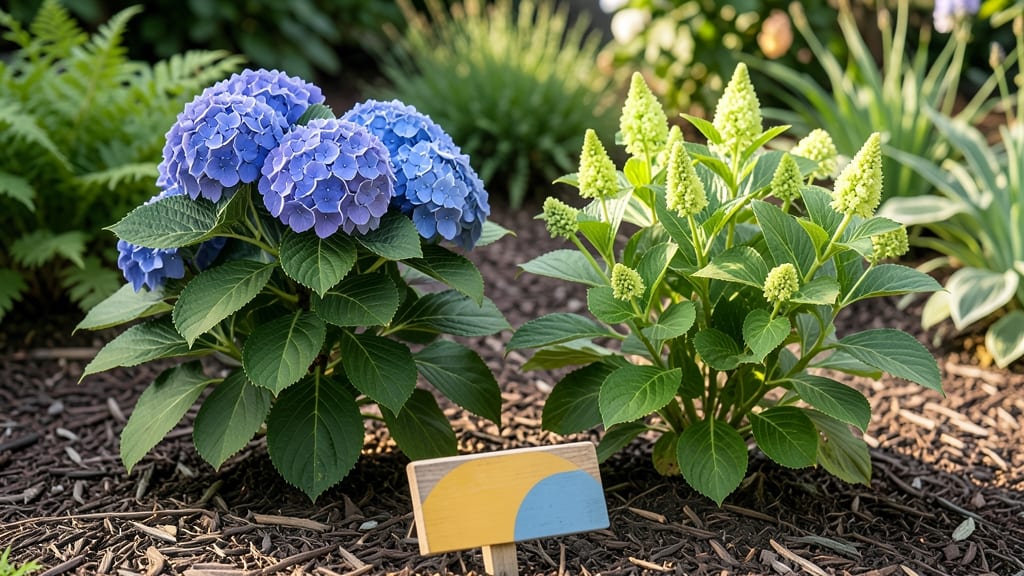
Hydrangeas in full sun or shade determine whether your 🌸 shrubs will burst with color or struggle to bloom.
Picture this: You’ve poured time and care into your hydrangeas, only to watch them wilt under blazing sun or produce tiny, lackluster flowers in deep shade. The truth? Most hydrangeas thrive in partial shade, but some varieties actually crave sunlight—if you know how to support them.
This guide breaks down the exact light needs for popular types like mophead and panicle hydrangeas, plus soil tricks to help them flourish in any spot. No more guessing—just lush, vibrant blooms every season.
Ready to transform your garden? We’ll cover sun-tolerant varieties, shade-friendly adjustments, and the one pruning tip that makes all the difference.

How sunlight affects hydrangea blooms: full sun vs shade requirements by variety
Sunlight isn't just light—it's the secret ingredient that determines whether your hydrangeas put on a dazzling show or struggle to bloom. Too much sun can scorch leaves, while too little shade can lead to sparse, weak flowers.
The key lies in understanding how each variety responds to light, from mophead glamour to oakleaf resilience. Let's break down the science and practical tips to help you position your hydrangeas for maximum impact.
Hydrangeas rely on chlorophyll production to fuel their growth, but excessive sunlight triggers stress responses like leaf scorch or wilting. Meanwhile, insufficient light reduces flower size and vibrancy. The trick is matching your hydrangea variety to its ideal light conditions—whether that’s dappled shade or morning sun.
Let’s dive into how each type thrives (or suffers) under different light scenarios.
| Variety | Ideal Light | Bloom Impact | Color Changes | Growth Habit |
|---|---|---|---|---|
| Mophead (Bigleaf) | Partial shade (4-6 hrs) | Large, lush blooms | Pink/blue shifts | Slow but sturdy |
| Panicle | Full sun (6+ hrs) | Compact, long-lasting | Cream to deep pink | Fast, upright |
| Oakleaf | Partial shade (3-6 hrs) | Medium-sized clusters | White to red | Hardy, slow-spreading |
| Smooth (Annabelle) | Full sun to partial shade | Large, round blooms | White (no color shift) | Fast-growing |
Mophead hydrangeas (like 'Endless Summer') are the divas of the garden—they demand partial shade to prevent leaf burn and maintain their signature large, round blooms. Too much sun turns their leaves crispy, while too little shade results in pale, undersized flowers. Think of them as the shade-loving ballerinas of the hydrangea world, thriving under trees or on north-facing porches.
On the opposite end, panicle hydrangeas (such as 'Limelight') are the sun-seekers of the group. They crave full sun exposure to produce their iconic cone-shaped blooms that last from summer to frost.
Without enough light, their flowers shrink and their growth stalls. Plant them in south-facing beds or near reflective surfaces to maximize their sun tolerance.
Oakleaf hydrangeas strike a balance, tolerating partial shade to morning sun. Their exfoliating bark and fall color make them a year-round star, but they need protection from harsh afternoon rays. These varieties are perfect for transition zones where full sun isn’t available but some light is.
Finally, smooth hydrangeas (like 'Annabelle') are the chameleons of the bunch. They handle full sun to partial shade, though their blooms may fade faster in deep shade. Their bold white flowers stand out even in mixed-light gardens, making them a low-maintenance choice for beginners.
Here’s the science: Hydrangeas produce anthocyanins (pigments that shift colors) in response to light and soil pH. Too much sun increases chlorophyll stress, while too little reduces photosynthesis efficiency.
For blue blooms, aim for acidic soil + shade; for pink blooms, use alkaline soil + morning sun. The color game is all about balance!
Pro tip: If your hydrangeas are in full sun but wilting, provide afternoon shade with a lightweight shade cloth (30-50% block). For shade-lovers in low-light spots, supplement with a grow light during winter months to keep them blooming.
Adjusting light exposure can turn a struggling shrub into a showstopper in just one season.
Remember, hydrangeas aren’t one-size-fits-all. Match your variety to its light needs, and you’ll unlock bigger blooms, brighter colors, and healthier growth—without the guesswork. Start by observing where your hydrangeas currently struggle, then tweak their placement for a bloom boost next season.
Signs your hydrangeas are getting too much or too little sun (and how to fix it)
Hydrangeas often communicate their sunlight struggles through subtle (or not-so-subtle) signs. If your hydrangeas are sporting crispy edges, pale leaves, or sparse blooms, your light balance might be off. The key is recognizing these visual cues early—before your shrubs throw in the towel.
Unlike sun-loving succulents, hydrangeas are delicate dancers in the light spectrum, needing just the right amount to thrive.
Most hydrangeas prefer morning sun with afternoon shade, but even this can vary by variety. For example, panicle hydrangeas handle full sun better than mophead types, which often wilt under harsh afternoon rays.
The trick is observing your plants' leaf color, bloom production, and stem strength—each tells a different story about their light needs.
⚠️ Warning: Overlooking Light Stress Can Kill Your Hydrangeas
Too much sun causes leaf scorch (brown, crispy edges) and stunted growth, while too little sun leads to weak stems and fewer blooms. Both extremes stress hydrangeas, making them vulnerable to pests and disease. Act fast: adjust placement or prune to restore balance before irreversible damage occurs.
Quick Fix: Move potted hydrangeas to dappled shade immediately. For in-ground plants, add mulch and prune back sun-exposed branches to reduce stress.
Start by checking your hydrangeas' leaf color. If leaves are bright green with yellowing edges, they're likely getting too much direct sun, especially in hot climates. This leaf scorch happens when sunlight exceeds what the plant can handle, causing water loss and cell damage.
On the flip side, deep green but pale leaves signal insufficient light, often paired with weak, leggy stems that flop under their own weight.
Next, examine your blooms. Hydrangeas struggling with light often produce smaller flowers or fewer clusters than they should. For instance, a mophead hydrangea in full sun might shrink from 6-inch blooms to 2-inch puckers.
Meanwhile, panicle types in shade may skip flowering entirely. The fix? Adjust light exposure gradually—hydrangeas hate sudden changes—and fertilize with phosphorus-rich food to encourage blooming.
Weak stems are another red flag. If your hydrangeas' branches bend easily or break under wind, they're likely light-deprived. This happens when plants stretch toward any available light, creating thin, woody stems that can't support blooms.
To strengthen them, prune back leggy growth in early spring and stake taller varieties for support. For sun-stressed stems, reduce afternoon exposure by planting near taller shrubs or installing a light shade cloth.
Finally, don’t ignore the soil. Hydrangeas in full sun need moist, well-draining soil to prevent root stress, while those in shade benefit from organic matter like compost to boost nutrient uptake.
If your soil is compacted or dry, amend it with peat moss or coconut coir to improve moisture retention. For sun-loving varieties like 'Limelight', add mulch to keep roots cool—this simple step can make all the difference between wilting leaves and lush growth.
With these fixes, your hydrangeas will rebound in 4-6 weeks, regaining their vibrant blooms and strong stems. The secret? Pay attention to their visual cues and adjust their environment before problems escalate.
Happy hydrangeas are all about finding that perfect light balance—and now, you’re equipped to give them exactly what they need. 🌸