
Light Requirements
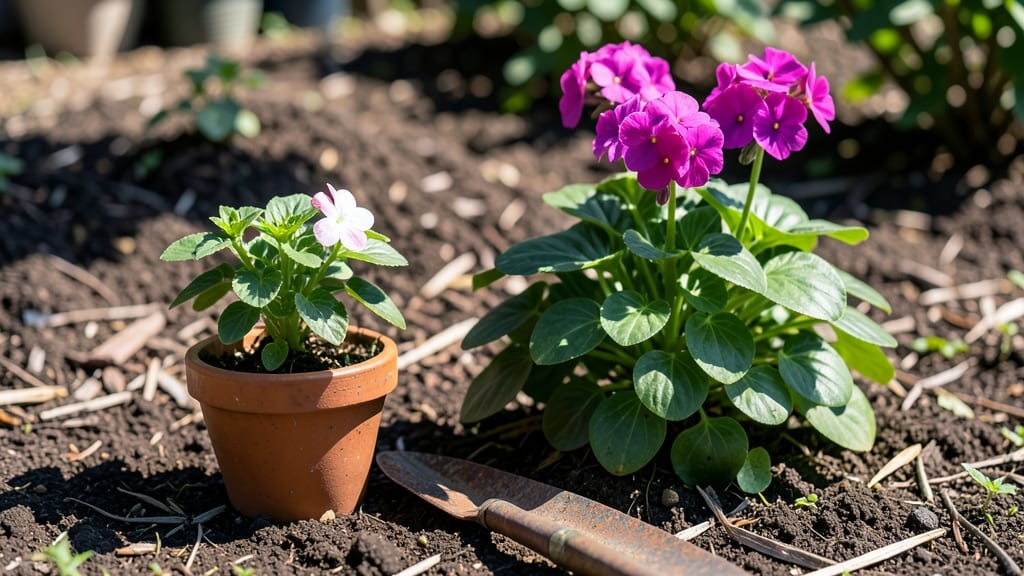
Impatiens thrive in either full sun or shade, but choosing the right variety and light balance is the key to vibrant blooms all season.
Struggling to keep your impatiens blooming beautifully? These vibrant flowers 🌸 love specific light conditions—but many gardeners get it wrong, leading to wilting or sparse blooms. The secret lies in matching the right impatiens type to your garden’s sun or shade spot.
Sun-loving varieties like New Guinea impatiens handle heat better, while classic impatiens prefer dappled shade. I’ll break down the best varieties for each, how to spot light stress, and simple adjustments to keep them thriving—no guesswork needed.
From pruning tips to spacing tricks, you’ll learn exactly how to optimize growth in your local climate, whether you’re in a hot border or a shady corner.

Best impatiens varieties for full sun exposure
Many gardeners assume impatiens need shade, but New Guinea impatiens and heat-tolerant hybrids actually thrive in full sun when given proper care. These varieties boast bold, sun-resistant blooms that outshine traditional impatiens in hot, sunny spots like containers on patios or south-facing garden beds.
The key? Choosing the right variety and providing consistent moisture.
For full sun success, focus on New Guinea impatiens and their hybrids, which feature thicker stems and glossy foliage that handle heat better than classic impatiens. These varieties also tolerate drier soil once established, making them ideal for xeric landscapes or urban gardens with limited water access.
| Variety | Sun Tolerance | Bloom Color | Height | Care Tips |
|---|---|---|---|---|
| New Guinea 'Firefly' Series | Full sun (6+ hours) | Orange, red, yellow | 12-18 inches | Deadhead regularly for continuous blooms |
| New Guinea 'Super Nova' | Full sun to partial shade | Pink, purple, white | 10-12 inches | Use mulch to retain moisture |
| 'Celebrity' Series (Heat-Tolerant Hybrid) | Full sun (morning sun preferred) | Pink, red, white, purple | 6-12 inches | Water at soil level, avoid wetting foliage |
| 'Diamond' Series (Dwarf Hybrid) | Full sun (container-friendly) | Blue, purple, white | 6-8 inches | Ideal for hanging baskets with afternoon shade |
| 'Accent' Series (Heat-Resistant) | Full sun (drought-tolerant) | Red, pink, white | 8-12 inches | Prune leggy stems for bushier growth |
When planting sun-loving impatiens, prioritize well-draining soil mixed with organic compost to prevent root rot. Amend heavy clay soil with perlite or sand to improve aeration, especially in hot climates like USDA Zones 8-10. These varieties also benefit from morning sun exposure to avoid afternoon heat stress.
Watering is critical for sun-exposed impatiens. Deep watering 2-3 times per week encourages strong root development, while shallow watering leads to weak stems and sparse blooms. Use drip irrigation or soaker hoses to deliver moisture directly to the roots, reducing evaporation in full sun conditions.
Fertilize sun-loving impatiens with a balanced 10-10-10 formula every 4-6 weeks during the growing season. Avoid high-nitrogen fertilizers, which promote leafy growth at the expense of vibrant blooms. Instead, opt for a bloom-boosting fertilizer with phosphorus to support flower production.
Prune your sun-tolerant impatiens regularly to maintain their shape and encourage continuous flowering. Pinch back leggy stems in early summer to promote bushier growth, and remove spent blooms to redirect energy into new flowers.
This practice is especially important for New Guinea impatiens, which can become woody if not pruned.
For container gardening, choose large pots with drainage holes filled with lightweight potting mix. Sun-loving impatiens in containers dry out faster, so monitor soil moisture daily during peak summer heat. Elevate containers slightly to prevent water pooling, which can cause root rot.
Watch for signs of heat stress, including yellowing leaves or drooping foliage. If your impatiens show these symptoms, provide temporary shade with lightweight shade cloth (30-50% coverage) until temperatures cool. Most sun-tolerant varieties recover quickly with proper care and consistent moisture.
In regions with intense afternoon sun, like the Southwest or Southeast US, consider planting sun-loving impatiens near tall perennials or shrubs to provide natural shade during the hottest hours. This microclimate strategy extends the blooming season while protecting delicate foliage.
Top shade-loving impatiens and their growing conditions
If your garden has shady spots where sun-loving plants struggle, impatiens are your perfect solution. These shade-tolerant beauties thrive where others fade, offering vibrant blooms from spring to frost. The key? Choosing the right varieties and matching them to your shade conditions—whether dappled light or deep shade.
For deep shade gardens (less than 3 hours of sunlight), opt for classic impatiens like 'Super Elfin' or 'Accent.' These compact varieties (6–12 inches tall) produce nonstop blooms in pinks, purples, and whites.
In partial shade (4–6 hours of filtered light), try 'Diamond' or 'Beacon' series—they handle slightly more light while keeping their lush foliage and bright petals.
🌿 Styled List: Best Shade-Loving Impatiens & Their Needs
- Super Elfin – 6–10" tall, deep shade champion; blooms in pink/white; ideal for containers or hanging baskets.
- Accent Series – 12–18" height; heat-tolerant for partial shade; double blooms in purple/red.
- Diamond Series – 10–14"; disease-resistant; thrives in morning sun + afternoon shade; bi-color blooms.
- Beacon Series – 12–18"; sun-orange blooms for brightening dark corners; needs moist, rich soil.
To keep your shade impatiens thriving, prioritize well-draining, moist soil with organic matter like compost. These plants hate soggy roots, so amend clay soil with perlite or peat moss. Water consistently—never let the soil dry out—but avoid overhead watering to prevent powdery mildew.
For maximum blooms, feed with a balanced fertilizer (10-10-10) every 4–6 weeks during the growing season. Pinch back leggy stems in early summer to encourage bushier growth and more flower clusters. Deadhead spent blooms regularly to redirect energy into new flowers.
Pro tip: Group shade impatiens with hostas, ferns, or heucheras for a lush, layered look. They’ll brighten shady borders while complementing textured foliage. Just avoid placing them near competitive roots like large shrubs, which can steal moisture and nutrients.
With the right variety and care, your shade garden will burst with colorful impatiens all season long—no sun required! 🌷