
Blooming
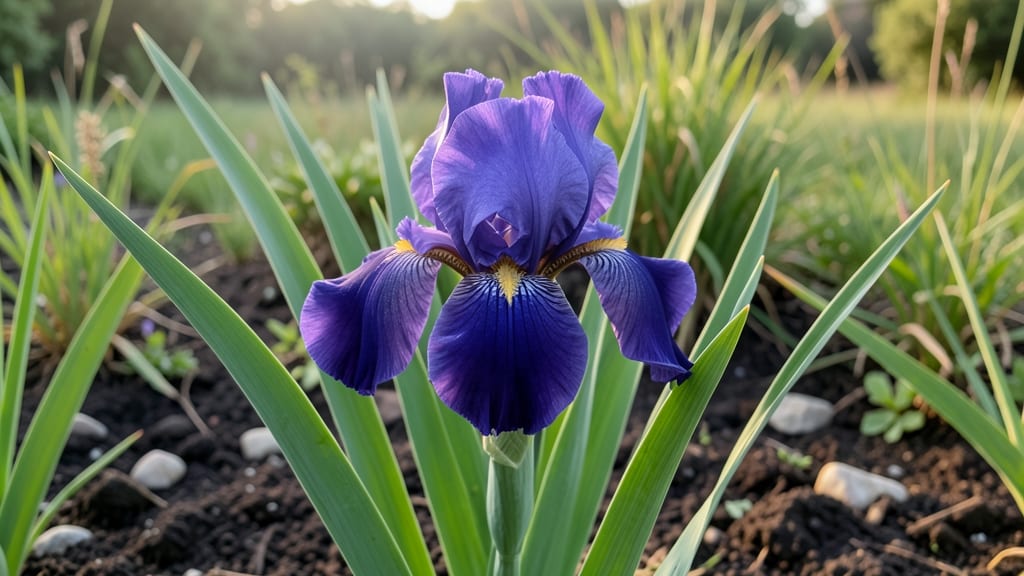
Your iris bloom time depends entirely on the variety you’ve planted — some burst into color in early spring, while others wait until late summer, and a few even surprise you with a second flush of flowers.
Wondering why your irises aren’t blooming when they should—or how to make them last longer? Timing is everything with these stunning perennials 🌸, and understanding iris bloom time by variety could transform your garden’s spring and summer display.
From bearded irises that dominate the early spring scene to Siberian irises that shine in late summer, each type has its own schedule. Climate, sunlight, and even soil health play a role in pushing those blooms earlier or delaying them.
Below, I’ll break down exactly when to expect flowers from your irises, how to extend their bloom time with simple care tricks, and what to do if they’re playing hide-and-seek instead of blooming.
Iris bloom time by variety: month-by-month flowering guide
Timing your garden’s iris blooms starts with knowing your variety. Irises are famous for their vibrant colors and long-lasting flowers, but their bloom periods vary widely. Whether you’re growing bearded irises or Siberian irises, understanding these differences helps you plan for a season-long display.
Let’s dive into the month-by-month bloom schedule for popular iris types, adjusted for USDA zones 3-10.
Iris bloom times depend on climate, variety, and care. For example, early bloomers like Siberian irises often start in late April to May, while late-season varieties like Japanese irises may not peak until June or July.
Even within the same variety, regional adjustments can shift bloom times by 2-4 weeks. In warmer zones (8-10), blooms may arrive 2-3 weeks earlier than in cooler zones (3-6).
Bearded irises are the most common and bloom from late April to early June, with early varieties like 'White Swan' opening in April and late varieties like 'Blue Flag' lingering into June. These classic garden staples thrive in full sun and well-draining soil, making them ideal for border plantings or cut flower gardens.
Siberian irises are early bloomers, often flowering from late April to early May. Their delicate, slender petals add a unique texture to spring gardens. Unlike bearded irises, they prefer moist, humus-rich soil and can tolerate partial shade, making them great for woodland gardens or shady borders.
Japanese irises are late-season bloomers, typically flowering from June to early July. Their bold, ruffled petals and dramatic height make them standout focal points. They thrive in moist, acidic soil and partial shade, often found near ponds or streams. In hotter climates (zones 7-10), they may bloom as late as August.
Dutch irises are tender perennials grown as annuals or bulbs in most of the U.S. They bloom from late winter to early spring, often January to March in warmer zones (8-10). Their compact size and vibrant colors make them perfect for container gardens or early-season cut flowers.
Louisiana irises are summer bloomers, flowering from June to August, and are heat-tolerant. They thrive in swamps or boggy areas and prefer full sun to partial shade. Their large, showy blooms add a tropical feel to gardens, especially in humid climates (zones 6-10).
Reticulata irises are winter bloomers, often flowering from February to April. These small, bulb-like irises are perfect for early-season color and can even bloom under snow in milder zones (6-10). They prefer well-draining soil and full sun, making them ideal for rock gardens or containers.
| Variety | Bloom Time (USDA Zones 3-6) | Bloom Time (USDA Zones 7-10) | Key Features |
|---|---|---|---|
| Bearded Iris | Late April - Early June | Early April - Mid-May | Classic garden iris; full sun, drought-tolerant |
| Siberian Iris | Late April - Early May | Mid-April - Late April | Delicate petals; moist soil, partial shade |
| Japanese Iris | June - Early July | May - June | Bold ruffled blooms; moist, acidic soil, partial shade |
| Louisiana Iris | June - August | May - July | Heat-tolerant; boggy soil, full sun |
| Dutch Iris | January - March (as bulbs) | December - February | Early-season color; containers, well-draining soil |