
Blooming
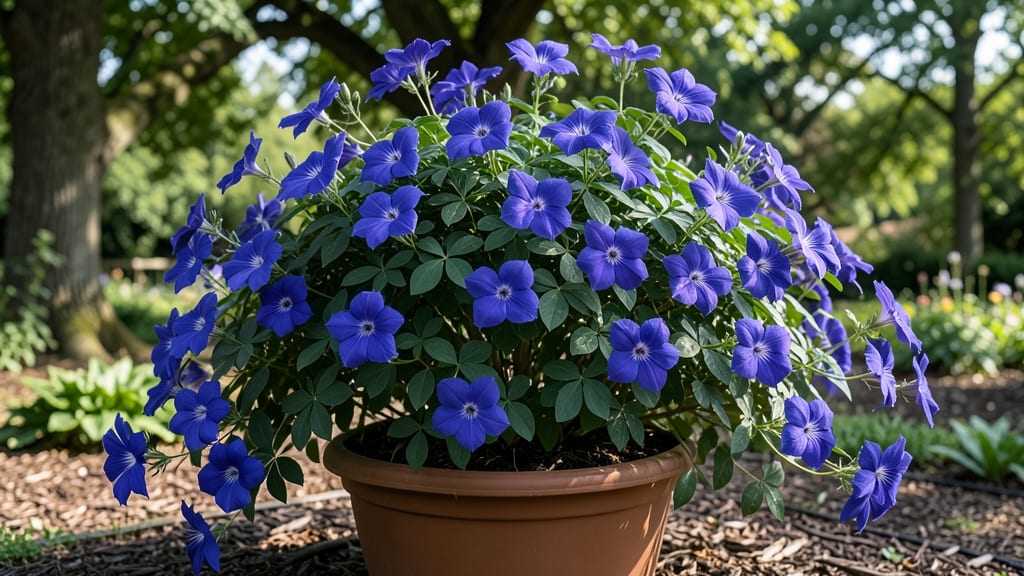
The Jackmanii clematis bloom time is all about timing—this stunning vine typically bursts into vibrant flowers from late May through July, but with the right pruning, you can shift that window by 4-6 weeks.
If your Jackmanii clematis blooms too early in spring or fades before summer’s peak, you’re not alone—timing is everything for this showstopper vine. But here’s the secret: strategic pruning can transform a fleeting spring display into a longer, more reliable show.
Most gardeners assume Jackmanii clematis blooms only once, but its Group 3 classification means it’s actually highly adaptable—with the right cuts, you can delay blooms until June or even coax a second flush in late summer.
In this guide, I’ll break down the exact pruning schedule to extend your blooms, fix common mistakes that ruin timing, and share pro tips for maximum flowers—no matter your USDA zone.
How Jackmanii clematis bloom time works: the science behind pruning zones
Understanding your Jackmanii clematis bloom cycle starts with its pruning group classification. This stunning vine belongs to Group 3, meaning it naturally blooms on new wood—stems that grow in the current season.
Unlike early bloomers (Groups 1-2), Jackmanii’s flowers emerge from fresh growth after pruning, giving you incredible control over timing.
The key lies in when you prune: cutting back in late winter forces early blooms, while delaying pruning until spring or summer pushes flowers later. This isn’t guesswork—it’s rooted in the plant’s node development. Each cut stem must retain 3-5 healthy buds (nodes) to ensure robust regrowth and blooms.
Here’s the science: Jackmanii’s buds form along the current year’s stems. When you prune aggressively in winter, you’re essentially resetting the clock, encouraging rapid new growth that blooms sooner. Conversely, leaving stems longer delays bud formation until later in the season.
Your pruning decisions directly impact bloom time by influencing stem maturity. Early cuts produce younger stems that flower faster, while late cuts allow stems to mature longer before flowering. This is why node counting becomes your best friend—it’s the precision tool for timing.
The three pruning groups (1-3) create a framework for all clematis, but Jackmanii’s Group 3 status makes it unique. While Group 1 blooms on old wood (spring flowers), and Group 2 has two bloom cycles, Jackmanii’s single-season new-wood blooms mean every cut shapes next year’s display.
Think of pruning as a bloom time dial. Cut too early (Jan-Feb), and you’ll get early blooms. Delay until March-April, and flowers arrive later. The sweet spot for most gardeners? A late-winter prune (Feb-March) balances timing with vine health.
| Pruning Group | Bloom Time | Pruning Window | Best For Jackmanii? |
|---|---|---|---|
| Group 1 (Early) | Spring (March-April) | Late winter (Feb) | No |
| Group 2 (Mid) | Summer (June-July) | Spring (March-April) | No |
| Group 3 (Late) | Summer-Fall (June-Sept) | Late winter (Feb-March) | ✅ Yes |
| Key: Jackmanii’s Group 3 status means new wood blooms after pruning | |||
Your pruning knife becomes the timing tool for Jackmanii’s blooms. For example, if you prune in February, expect flowers by late May-June. Delay until March, and blooms arrive in July-August.
The secret? Always leave 3-5 nodes above your cut—this ensures enough energy for new growth and flowers.
Visualize your vine’s growth like a bloom calendar. Each node represents a potential flower cluster. When you prune at the right height, you’re essentially programming the plant to bloom at your desired time. This precision turns Jackmanii from a spring-only performer into a summer showstopper.
Remember: Jackmanii’s Group 3 classification means it’s more forgiving than Groups 1-2. Even if you miss the perfect pruning window, the vine will still bloom—just later. But for that peak summer display, timing is everything. Start by observing last year’s blooms, then adjust your cuts accordingly.
For maximum impact, combine pruning with support training. As new stems emerge after pruning, guide them along your trellis or arbor. This ensures even light exposure and air circulation, both critical for healthy blooms. Think of it as orchestrating your vine’s growth for the perfect performance.
Step-by-step pruning schedule to delay or advance Jackmanii blooms
Timing your Jackmanii clematis pruning is the key to controlling its bloom window. This vine naturally flowers on new wood, meaning aggressive cuts in winter force later blooms, while summer pruning extends the season.
The difference between a 4-week delay and a 6-week extension comes down to when—and how—you prune.
For gardeners in USDA Zone 6a, the critical window starts in January for delayed blooms or June for extended seasons. Each pruning strategy requires specific tools, like bypass pruners and sterilized shears, plus an eye for identifying strong stems with at least 3-5 buds remaining after cutting.
When pruning in January-February, focus on cutting back last year’s growth to just above a healthy bud. This forces the plant to redirect energy into new shoots, which will bloom 4-6 weeks later than usual.
Always make cuts at a 45-degree angle to prevent water pooling, and sterilize your tools with rubbing alcohol to avoid disease.
For summer pruning (June-July), target only the weakest stems and faded blooms. Cut just above a pair of leaves to encourage new growth and prolong flowering. Avoid removing more than 20% of the vine at once, or you risk stunting the plant’s ability to produce flowers.
After pruning, apply a layer of mulch around the base to retain moisture and protect roots. Water deeply in the morning to reduce fungal risks, and fertilize with a balanced 5-10-10 blend to support regrowth.
With this schedule, your Jackmanii clematis will reward you with a longer, more vibrant bloom season.
Pro tip: Mark pruned stems with twist ties to track new growth. By late May, you’ll see fresh shoots emerging—these are your future blooms! 🌸