
Shrubs
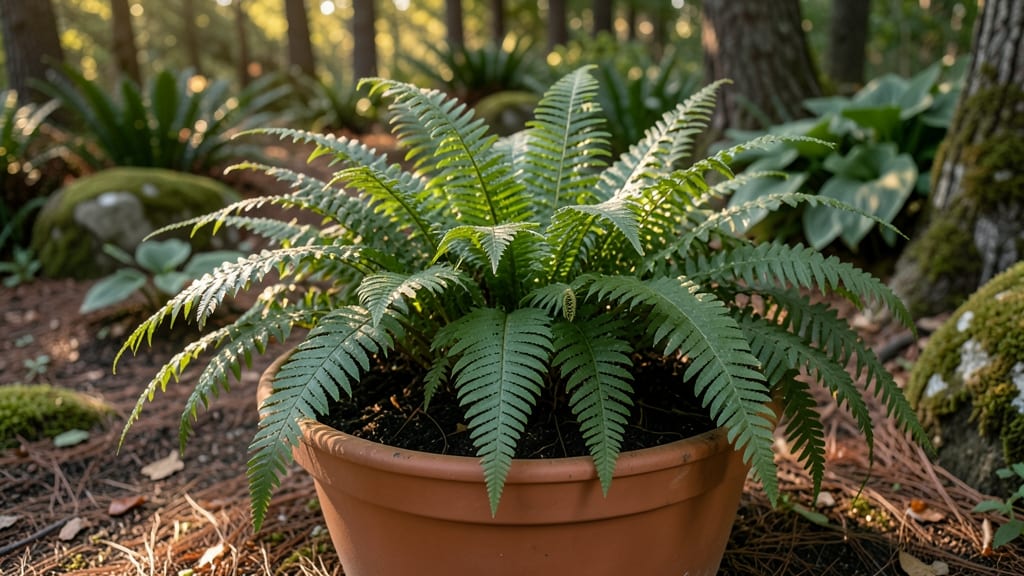
The Kimberly Queen fern thrives in sun or shade 🌿, making it a standout choice for gardeners with tricky lighting situations.
Picture this: your yard has dappled sunlight in one corner and deep shade in another. You’ve heard ferns need shade, but what if you want that lush Kimberly Queen Fern in both spots?
The good news is this fern handles flexibility better than most, adapting to bright, indirect light or even morning sun—just not the harsh afternoon glare.
Too much sun? Fronds crisp at the edges. Too little? Growth slows to a crawl. But get the balance right, and you’ll reward yourself with year-round greenery that stays vibrant through every season.
Below, I’ll show you exactly how to position it for peak performance, whether you’re planting outdoors in Zone 6a or keeping it indoors near a window.
Ready to stop guessing and start growing? Let’s dive into the light secrets that keep your Kimberly Queen Fern thriving—no more browning fronds or stunted growth.
 Best Window Placement
Kimberly Queen fern light requirements: sun vs shade breakdown
The Kimberly Queen fern is a stunning, arching fern that thrives in moderate to low light, making it perfect for shady gardens or indoor spaces. Unlike sun-loving plants, this fern adapts beautifully to partial shade but can tolerate filtered sunlight—just avoid harsh afternoon rays.
Understanding its light tolerance is key to keeping those lush, deep green fronds vibrant year-round.
While this fern isn’t a full-sun lover, it’s far from a low-light only plant. The secret lies in balanced exposure: too little light leads to leggy, sparse fronds, while too much causes browning or crispy edges.
Let’s break down how to strike the perfect sun vs. shade balance for your Kimberly Queen fern.
| Light Condition | Daily Sun Exposure | Ideal Placement | Frond Health | Water Needs |
|---|---|---|---|---|
| Full Shade | 0-2 hours | North-facing walls, dense tree canopies | Slow growth, pale fronds | Consistent moisture |
| Partial Shade | 2-6 hours (morning sun) | East-facing windows, dappled sunlight | Healthy, vibrant fronds | Moderate (damp soil) |
| Partial Sun | 6 hours (filtered light) | West-facing with afternoon shade | Risk of browning edges | Frequent watering |
| Full Sun | 8+ hours | South-facing (avoid) | Crispy, yellow fronds | Daily deep watering |
The Kimberly Queen fern excels in partial shade, which means 2-6 hours of morning sunlight followed by afternoon shade. This mimics its natural understory habitat in forests, where it thrives under filtered light.
For indoor growers, place it near an east-facing window or under grow lights for 4-6 hours daily.
In hotter climates, even morning sun can stress this fern, so prioritize afternoon shade using sheer curtains or nearby trees. If you notice yellowing fronds, it’s a sign of too much direct light—move it to a shadier spot immediately.
Conversely, pale or sparse fronds mean it needs more light but avoid harsh midday rays.
For container gardening, choose a spot that gets bright indirect light, like a porch with afternoon shade. Rotate the pot quarter-turns weekly to ensure even light exposure and prevent one-sided growth.
If your fern starts looking leggy or weak, it’s begging for more light—but never full sun.
One common mistake is assuming all shade is equal. Deep shade (like under dense evergreens) can stunt growth, while bright indirect light (like a north-facing window) keeps fronds lush and dark green.
Test your spot by placing the fern there for a week—if fronds brighten noticeably, it’s getting enough light.
In summer months, watch for heat stress signs like crispy frond tips. Increase watering frequency and provide extra shade cloth if needed. In winter, reduce light concerns—this fern tolerates lower light during cooler months, making it a low-maintenance indoor plant.
Pro tip: Pair your Kimberly Queen fern with hostas or astilbes in shady gardens—they share similar light preferences and create a stunning textured foliage display. For containers, mix in moss or ivy to mimic its natural forest-floor habitat.
Remember, the Kimberly Queen fern is a light-adaptable plant, but its ideal conditions are partial shade with morning sun. With the right light balance, you’ll enjoy year-round lushness and minimal stress. Start with moderate light, observe its response, and adjust gradually for perfect fronds!
How to position your Kimberly Queen fern for optimal growth
The Kimberly Queen fern thrives in adaptable light conditions, making it perfect for gardens with partial shade or filtered sunlight. Unlike fussy ferns, this variety tolerates 2-6 hours of morning sun while avoiding harsh afternoon rays.
Whether you're placing it in a shady garden corner or a bright indoor spot, strategic positioning ensures lush, vibrant fronds year-round.
For outdoor gardens, prioritize locations with dappled sunlight—think under tall trees or near north-facing walls. In containers or indoor spaces, position near east-facing windows where light is gentle but abundant. Seasonal shifts matter too: move potted ferns indoors before winter's harsh sunlight or frost risks.
- 🌳 Outdoor Placement: Under deciduous trees (e.g., maple or oak) for natural shade and moisture retention.
- ☀️ Morning Sun: Place in east-facing beds for 2-4 hours of gentle sunlight—avoid west/south exposure.
- 🪴 Container Care: Use terracotta pots in partial shade (e.g., under a patio awning) to prevent root overheating.
- 🌿 Indoor Spots: Near east windows or under grow lights (12 hours/day) for consistent growth.
- ❄️ Winter Prep: Move containers indoors or to sheltered porches before first frost (October 15).
Pair your Kimberly Queen fern with companion plants that share similar light needs, like hostas, heucheras, or caladiums. These plants create a cohesive shade garden while protecting the fern's delicate fronds from windburn.
In containers, mix with impatiens or begonias for color contrast without competing for light.
Adjust watering based on light exposure: ferns in full shade need weekly deep watering, while those in morning sun may require daily misting to prevent frond crisping. Mulch with organic matter (e.g., shredded bark) to retain moisture and regulate soil temperature.
If your space offers only full sun, create a DIY shade cloth (50% blockage) or plant near tall perennials like foxglove or delphiniums to diffuse harsh rays. Monitor fronds for yellowing tips—a sign of too much sun—and relocate if needed.
With the right light positioning, your Kimberly Queen fern will reward you with year-round greenery, whether it’s thriving in a woodland garden or a sunroom nook. Experiment with placements to find its perfect spot! 🌿